How to Transplant Stinking brickellbush?
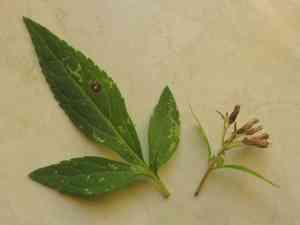
For Brickellia grandiflora, the most favorable period for relocation is from early to mid-spring, coinciding with the onset of fresh development. Select a bright, adequately drained site to achieve superior outcomes. Verify that the soil possesses a moderate nutrient content to facilitate robust rooting.
Essential Preparations Before Relocating Stinking Brickellbush?
When is the Best Time to Move Stinking Brickellbush?
The prime period for relocating stinking brickellbush, a perennial, is from early to mid-spring. This timing allows the plant to develop its root system prior to summer's heat and benefit from the full growing season. Transplanting then maximizes growth potential and lessens transplant shock, leading to a healthier, more robust plant.
What is the Recommended Spacing Between Stinking Brickellbush Plants?
When moving stinking brickellbush, aim for a distance of 18-24 inches (45-60 cm) between each specimen. This provides ample room for them to grow and expand without overcrowding.
What is the Optimal Soil Blend for Stinking Brickellbush Relocation?
Prepare the soil for stinking brickellbush by ensuring it drains well and has a slightly sandy texture. Incorporate a balanced base fertilizer to support the plant's development. A general-purpose fertilizer should be adequate, applied according to package directions.
Where Should You Replant Your Stinking Brickellbush?
Select a sunny location for replanting stinking brickellbush. This species thrives in full sun, meaning it requires at least 6 hours of direct sunlight daily for healthy growth.
What Tools Are Needed Before Moving Stinking Brickellbush?
Gardening Gloves
To safeguard your hands while handling soil and the plant.
Shovel or Spade
For digging and extracting the plant from its initial spot.
Hand Trowel
Useful for more precise digging and adjusting soil around the plant.
Bucket or Container
To transport the plant, especially if moving it a distance.
Watering Can or Hose
Crucial for hydrating before and after the relocation.
Garden Fork
To aerate compacted soil if necessary.
How Do You Extract Stinking Brickellbush from the Ground?
How Do You Extract Stinking Brickellbush from the Ground?
From Ground: First, moisten the stinking brickellbush plant to dampen the soil. Next, dig a wide trench around the plant using a shovel or spade, ensuring the plantâs root ball remains intact. Carefully work the spade beneath the root ball to lift the plant from its original position.From Pot: Gently tap the pot's sides to loosen the soil. Carefully invert the pot, supporting the plant with your hand. Slide the plant out, trying to keep as much of the root ball intact as possible. If the plant is stuck, gently use a hand trowel to loosen the soil around the edges.From Seedling Tray: Water the seedlings thoroughly to prevent root damage. Use a small tool like a hand trowel or simply your fingers to gently lift the seedlings, making sure to support the root system. Try to keep as much soil around the roots as possible.
Step-by-Step Guide for Relocating Stinking Brickellbush
Site Preparation
Prepare the new planting location by digging a hole that is twice as wide and equally deep as the stinking brickellbush plant's root ball.
Soil Preparation
Loosen the soil at the bottom and sides of the hole. If needed, amend the soil based on the specific requirements of stinking brickellbush.
Relocating
Position the stinking brickellbush plant in the center of the hole, ensuring the top of the root ball is level with the surrounding ground. Backfill the hole with soil, gently pressing it down to eliminate air pockets.
Watering
Thoroughly water the stinking brickellbush plant immediately after relocation to settle the soil around its roots.
Mulching
Apply a layer of mulch around the plant's base to help retain moisture and regulate soil temperature.
How Do You Care For Stinking Brickellbush After Relocation?
Watering
Keep the soil around the stinking brickellbush consistently moist, but not waterlogged, for the initial weeks post-relocation to aid in strong root establishment.
Monitoring
Regularly inspect the plant for indications of stress such as wilting or yellowing foliage. Adjust care as needed.
Support
If the plant is tall or tends to lean, consider providing support with stakes or a small trellis.
Fertilizing
Once the plant shows signs of new growth, you can begin a light feeding regimen with a balanced fertilizer to encourage robust development.
Addressing Common Issues with Stinking Brickellbush Relocation.
When is the best time to move stinking brickellbush?
The ideal time to relocate stinking brickellbush is early to mid-spring for optimal outcomes.
How much space should I allow between stinking brickellbush plants?
Ensure a distance of 18-24 inches (45-60 cm) between stinking brickellbush plants for healthy development.
What kind of soil is best for stinking brickellbush?
Stinking brickellbush thrives in well-draining soil with moderate fertility after being moved.
Can I move stinking brickellbush in autumn?
It is not advisable to relocate stinking brickellbush in autumn; stick to early to mid-spring.
Should I water stinking brickellbush right after moving it?
Yes, water stinking brickellbush thoroughly immediately after relocation to help establish roots.
How can I minimize transplant shock for stinking brickellbush?
Relocate on a cloudy day and water stinking brickellbush regularly to lessen transplant shock.
What should I do if stinking brickellbush leaves wilt after moving?
Check soil moisture and ensure itâs not too dry or waterlogged to aid wilting leaves in recovery.
Is mulching necessary when moving stinking brickellbush?
Mulching around stinking brickellbush can help maintain soil moisture and regulate temperature.
How deep should I plant stinking brickellbush during relocation?
Plant stinking brickellbush at the same depth it was originally growing to prevent stress.
Can I fertilize stinking brickellbush immediately after moving?
Itâs better to wait a few weeks before fertilizing stinking brickellbush to allow it to establish first.



