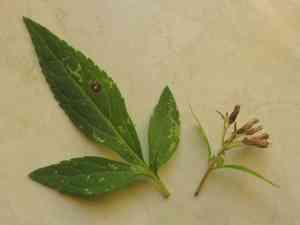
Stinking brickellbush (Brickellia rusbyi)
Also known as: None
Brickellia rusbyi is a perennial shrub that reaches up to 1.2 meters (4 feet) in height, originating from a woody base. It forms numerous small flower heads, each containing yellow disc florets and lacking ray florets.
In This Article
Attributes of Stinking brickellbush
Lifespan
Perennial
Plant Type
Herb, Shrub
Plant Height
up to 1 meter (3 feet)
Spread
approximately 1 meter (3 feet)
Leaf Color
Green
Flower Size
0.5 to 1 cm
Flower Color
Yellow
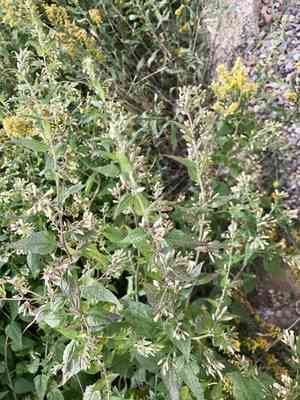
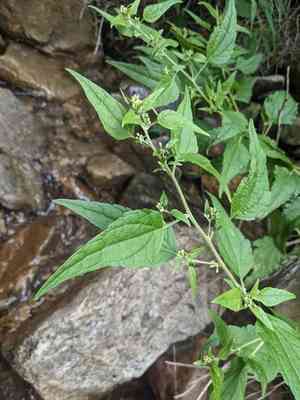
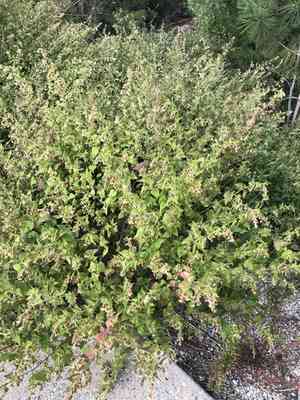
Images of Stinking brickellbush
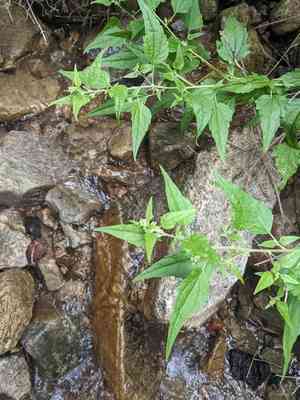
Quickly Identify Stinking brickellbush
1
Identifying Brickellia rusbyi can be done by examining its small, green leaves that are often covered in fine hairs, and its clusters of small yellow flowers. The plant tends to grow in a bushy formation.
Scientific Classification of Stinking brickellbush
Phylum
Vascular plants
Class
Dicotyledons
Order
Asterales
Family
Daisy
Genus
Brickellbushes
Species
Stinking brickellbush
Planting and Growing of Stinking brickellbush
Care Difficulty
Hard
Watering Schedule
Every 2 days
Sunlight Requirements
Full sun
Sunshine Duration
6-8 hours
Ideal Temperature
60-75℉
Soil Type
Potting Mix, Peat Mix
Soil pH
6.5-7.5
Fertilizer Type
Balanced
Pruning Season
Spring, Summer
Pruning Area
Branches, Leaves
Pruning Frequency
2 times a year
Repotting Season
Spring
Pot Type
Plastic, Ceramic
 How to Water Stinking brickellbush?
For Brickellia rusbyi, ensure the soil is evenly moistened by watering with about 250ml per session. The soil should be allowed to dry out slightly between watering, adhering to a principle of avoiding waterlogged conditions while preventing complete drought.
What are the symptoms of an underwatered Stinking brickellbush?
›
What should I do if my Stinking brickellbush is not getting enough water?
›
What are the symptoms of an overwatered Stinking brickellbush?
›
How to save an overwatered Stinking brickellbush?
›
 What Are the Sunlight Requirements for Stinking brickellbush?
Brickellia rusbyi prefers a light range of 6 to 8 hours of full to partial sun daily. This balance supports vigorous growth and healthy flowering, making the plant more robust and capable of self-maintenance.
What is the ideal type of sunlight for Brickellia rusbyi?
›
How to ensure Brickellia rusbyi receives ideal sunlight?
›
What are the benefits of ideal sunlight for Brickellia rusbyi?
›
 What Is the Ideal Temperature Range for Stinking brickellbush?
Brickellia rusbyi thrives best in temperatures ranging from 60°F to 75°F. This range supports optimal metabolic functions and photosynthesis, providing the plant with the conditions it needs to flourish. Keeping the temperature within this range ensures that the plant can maintain its growth rate and healthy appearance.
 What Soil is Best for Stinking brickellbush?
Brickellia rusbyi thrives in well-drained soil which prevents waterlogging and root rot. Ensuring excess water drains swiftly keeps roots healthy, enhances nutrient uptake and allows the plant to flourish vigorously. This plant appreciates soils with moderate fertility. A balance of nutrients ensures strong growth without overwhelming the plant. Slightly fertilized, loamy soils provide the perfect environment for steady development. Aeration is crucial to prevent compaction and to promote root nitrogenation. With adequate air pockets in the soil structure, Brickellia rusbyi roots can absorb oxygen efficiently, promoting robust health and resilience.
 How to Fertilize Stinking brickellbush?
When fertilizing Brickellia rusbyi, ensure you apply a balanced fertilizer at a quarter strength of the recommended dosage on the package, as these plants are sensitive to over-fertilization. In general, this will be about 1/4 teaspoon per gallon of water for liquid fertilizers.
 How to Prune Stinking brickellbush?
Start by removing dead or diseased stems at the base. 2. Trim back leggy stems to promote a bushier growth habit. 3. Ensure you cut just above a node to encourage new growth. 4. Inspect the plant’s shape, balancing aesthetics with health by cutting back any wayward branches. After pruning, water the plant thoroughly and apply a slow-release fertilizer to boost recovery and growth. Monitor the plant for signs of stress, such as wilting or discolored leaves, and make adjustments to care as necessary.
More About Pruning Techniques→
 How to Propagate Stinking brickellbush plant?
1
Use a well-draining potting mix to fill the seed trays or pots. Brickellia rusbyi requires soil that holds moisture without becoming waterlogged. Sterilize the soil by baking it lightly to kill any pathogens.
2
Scatter the Brickellia rusbyi seeds evenly across the soil surface. Cover them lightly with a thin layer of soil. Maintain adequate moisture and avoid direct sunlight to encourage germination without dehydration.
3
Select healthy branches of Brickellia rusbyi and cut segments around 6-8 inches long. Remove any leaves close to the cut to reduce transpiration, which increases the chance of successful rooting.
 How to Repot Stinking brickellbush plant?
1
For Brickellia rusbyi, the best signal for repotting is when you notice roots growing out of the drainage holes or the plant becoming root-bound. If the plant's growth seems stunted or water drainage seems impeded, it’s time to consider repotting. Ideally, perform this task in spring or early autumn when the plant is not in intense growth or dormancy.
2
Select a new pot that is one size larger than the current one. Ensure it has sufficient drainage holes to prevent root rot. Choosing a pot made of breathable materials like terracotta can significantly benefit Brickellia rusbyi by providing enhanced air circulation to the roots, fostering healthier growth.
3
Brickellia rusbyi thrives in a well-draining potting mix, ideally composed of equal parts soil, perlite, and sand. This composition ensures good drainage, prevents waterlogging, and encourages root aeration, which are essential for the plant's root health and overall vigour.
Toxicity
Ingestion, Skin Contact
WARNING
The judgment on toxicity and danger is for reference only. We DO NOT GUARANTEE any accuracy of such judgment. Therefore, you SHALL NOT rely on such judgment. It is IMPORTANT TO SEEK PROFESSIONAL ADVICE in advance when necessary.
Learn More About Stinking brickellbush Diseases
Anthracnose
Bacterial Leaf Spot
Bacterial Wilt
Crown Gall
Cyst Nematode
Damping-off
Downy Mildew
Drought Stress
Fusarium Wilt
Gray Mold
Leaf Spot
Mosaic
Nutrient Deficiency
Nutrient Toxicity
Powdery Mildew
Root Rot
Root-knot Nematode
Rusts
Sooty Mold
Spider Mites
Temperature Stress
Thrips Damage
White Mold



