How to Transplant Nevin's brickellbush?
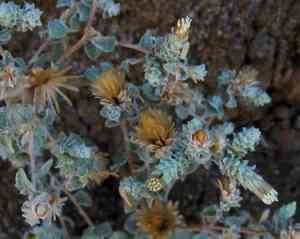
Nevin's brickellbush thrives when relocated in mid-spring. Select a bright, adequately drained spot to facilitate peak development. Maintain firm and hydrated roots, particularly in breezy environments, to encourage successful rooting.
Essential Preparations Before Relocating Nevin's Brickellbush?
Optimal Period for Relocating Nevin's Brickellbush?
Nevin's brickellbush should ideally be moved in mid to late spring or early summer once the ground has warmed and frost danger has passed. This timing allows the plant to establish its root system during the active growth period, promoting better development and resilience. Transplanting nevin's brickellbush at this time maximizes its adaptation and encourages healthy, vigorous growth.
Recommended Spacing Between Nevin's Brickellbush Plants?
Ensure to position nevin's brickellbush approximately 3-4 feet (0.9-1.2 meters) apart. This provides ample room for their development without overcrowding.
Ideal Soil Blend for Nevin's Brickellbush Relocation?
Prepare well-draining soil by incorporating some organic compost. Nevin's brickellbush thrives in sandy or gravelly soil. A balanced, slow-release fertilizer can be added to give your plant an excellent start.
Optimal New Location for Your Nevin's Brickellbush?
Select a sunny spot where nevin's brickellbush will receive abundant sunlight. Ideally, aim for full sun exposure, meaning about 6-8 hours of direct sunlight daily.
Tools Required Before Transplanting Nevin's Brickellbush?
Gardening Gloves
To safeguard your hands while handling soil and the plant.
Shovel or Spade
For excavating and lifting the plant from its original spot.
Garden Trowel
Useful for digging smaller holes.
Watering Can or Hose
To hydrate the soil before and after the transplanting process.
Pruning Shears
To trim any damaged roots or foliage.
Mulch
To assist in retaining moisture around the newly transplanted nevin's brickellbush.
Compost or Organic Matter
To enrich the soil at the new planting site.
How to Extract Nevin's Brickellbush from the Ground?
How to Extract Nevin's Brickellbush from the Ground?
From Ground: First, water the nevin's brickellbush plant to moisten the soil. Next, dig a wide trench around the plant using a shovel or spade, ensuring the plant's root ball remains intact. Carefully work the spade beneath the root ball to lift the plant from its initial location.From Pot: Water the nevin's brickellbush plant thoroughly a few hours prior to transplanting to ensure the soil is damp. Gently tilt the pot on its side and tap the bottom to loosen the plant. Hold the base of the plant and carefully slide it out, taking care not to harm the roots.From Seedling Tray: Water the seedlings before removal. Gently press the underside of the tray to loosen the seedlings. Hold the leaves (not the delicate stem) and carefully ease the plant out from the tray compartments, ensuring the root ball remains intact.
Detailed Procedure for Transplanting Nevin's Brickellbush
Prepare New Site
Dig a hole in the new location that is twice as wide and equally deep as the root ball of the nevin's brickellbush plant.
Improve Soil
Combine garden soil with compost or organic matter to enhance soil texture and nutrient content at the new site.
Relocate Plant
Place the nevin's brickellbush plant into the prepared hole, ensuring it is level with the surrounding soil. Fill the hole around the plantâs root ball with soil, pressing gently to eliminate any air pockets.
Water Thoroughly
Immediately water the transplanted nevin's brickellbush plant to settle the soil around its roots.
Post-Transplantation Care for Nevin's Brickellbush
Watering
Maintain consistent moisture in the soil around the nevin's brickellbush, avoiding sogginess, for the initial weeks after transplanting to aid in root establishment.
Mulching
Apply a layer of mulch around the base of the nevin's brickellbush plant to help retain moisture and regulate soil temperature.
Monitoring
Observe the plant for signs of stress or transplant shock, such as wilting or yellowing leaves, and provide additional water if necessary.
Pruning
Trim any damaged or dead foliage to encourage new growth and reduce stress on the plant.
Addressing Common Issues During Nevin's Brickellbush Transplantation.
When is the best time to transplant nevin's brickellbush?
Transplant nevin's brickellbush in mid to late spring or early summer for optimal results.
How do I prepare the soil for nevin's brickellbush?
Ensure soil is well-drained and enrich with compost for ideal growth.
What's the ideal spacing for transplanting nevin's brickellbush?
Space nevin's brickellbush plants 3-4 feet (90-120 cm) apart to allow for growth.
How deep should I plant nevin's brickellbush?
Plant nevin's brickellbush at the same depth it was in its original container.
How often should I water nevin's brickellbush after transplanting?
Water nevin's brickellbush consistently, keeping the soil moist but not waterlogged.
Should I fertilize nevin's brickellbush after transplanting?
Use a balanced, slow-release fertilizer to support nevin's brickellbush's growth post-transplant.
How do I handle nevin's brickellbush's roots during transplant?
Gently loosen the root ball to encourage new growth but avoid damaging roots.
What type of light does nevin's brickellbush need after transplanting?
Place nevin's brickellbush in a location with full sun to partial shade for optimal growth.
How can I protect nevin's brickellbush from transplant shock?
Mulch around nevin's brickellbush and water deeply to help it acclimate to its new location.
Do I need to prune nevin's brickellbush when transplanting?
Lightly prune any damaged or leggy stems to encourage new, healthy growth.



