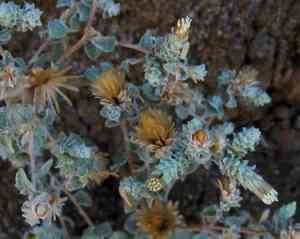
Nevin's brickellbush (Brickellia nevinii)
Also known as: Nevin's Brickellbush, Nevin's Delicate Brickellia
Nevin's brickellbush is a hardy perennial shrub well-adapted to survive in dry, arid environments. It boasts a sturdy, woody base and small, green leaves designed to reduce water loss. The plant also features modest yellow flowers that grow in clusters, adding a subtle beauty to its tough surroundings. Key adaptations, such as its extensive root system, allow it to access water deep underground and flourish in rocky, low-rainfall areas.
In This Article
Attributes of Nevin's brickellbush
Lifespan
Perennial
Plant Type
Shrub
Plant Height
Up to 1 meter (3.3 feet)
Spread
Approximately 0.5 meters (1.6 feet)
Leaf Color
Gray-green
Flower Size
Around 1 centimeter (0.4 inches)
Flower Color
Greenish-yellow
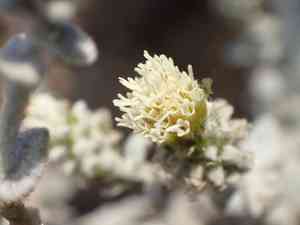
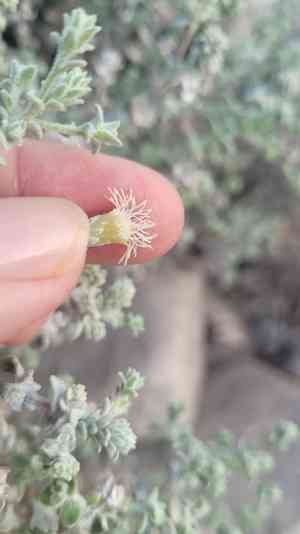
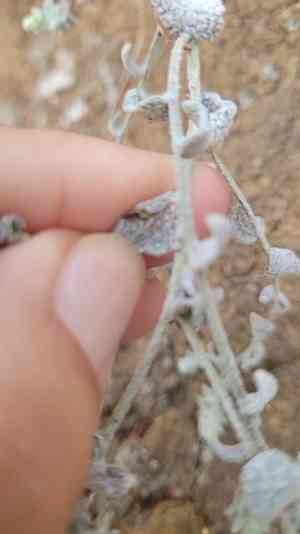
Images of Nevin's brickellbush
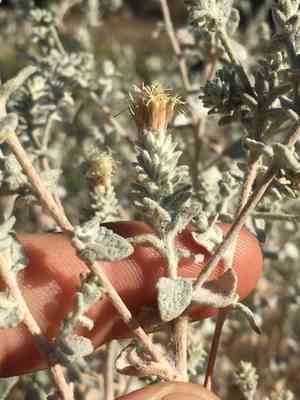
Quickly Identify Nevin's brickellbush
1
Identify Brickellia nevinii by its small leaves and greenish-yellow flowers. The plant typically has thin, delicate branches and a distinct herbaceous aroma. The flowers are usually clustered and have a subtle scent.
Scientific Classification of Nevin's brickellbush
Phylum
Vascular plants
Class
Dicotyledons
Order
Asterales
Family
Daisy
Genus
Brickellbushes
Species
Nevin's brickellbush
Planting and Growing of Nevin's brickellbush
Care Difficulty
Hard
Watering Schedule
Every 2 days
Sunlight Requirements
Full sun
Sunshine Duration
4-8 hours
Ideal Temperature
60-80℉
Soil Type
Potting Mix, Peat Mix
Soil pH
6.5-7.5
Fertilizer Type
Balanced
Pruning Season
Spring, Summer
Pruning Area
Branches, Leaves
Pruning Frequency
2 times a year
Repotting Season
Spring
Pot Type
Plastic, Ceramic
 How to Water Nevin's brickellbush?
When watering Brickellia nevinii, aim to give it about 250 milliliters of water per session. The goal is to keep the soil slightly moist without allowing it to become waterlogged. Consistent moisture is ideal, ensuring that the soil dries out slightly between watering to prevent root rot.
What are the symptoms of an underwatered Nevin's brickellbush?
›
What should I do if my Nevin's brickellbush is not getting enough water?
›
What are the symptoms of an overwatered Nevin's brickellbush?
›
How to save an overwatered Nevin's brickellbush?
›
 What Are the Sunlight Requirements for Nevin's brickellbush?
Preferring full sun with some tolerance for partial shade, Brickellia nevinii requires about 6-8 hours of direct sunlight. This light range helps maintain vigorous growth and flower production.
What is the ideal light source for Brickellia nevinii?
›
How can you ensure Brickellia nevinii gets ideal lighting?
›
What benefits does Brickellia nevinii gain from ideal lighting?
›
 What Is the Ideal Temperature Range for Nevin's brickellbush?
For optimal growth, Brickellia nevinii thrives best in temperatures ranging from 60°F to 80°F. This temperature range provides the plant with the necessary warmth to perform crucial physiological processes effectively, including photosynthesis and respiration. Maintaining these conditions supports healthy growth and enhances flowering potential.
 What Soil is Best for Nevin's brickellbush?
Brickellia nevinii requires soil that offers excellent drainage to prevent root rot. Ensuring good drainage helps the plant thrive and reduce susceptibility to fungal diseases. A loamy soil rich in organic matter supports the healthy growth of Brickellia nevinii by providing essential nutrients. It promotes vigorous vegetative growth and robust flowering. While allowing for drainage, maintaining moderate soil moisture is crucial for Brickellia nevinii to prevent drought stress. Consistent moisture levels support optimal growth and flowering.
 How to Fertilize Nevin's brickellbush?
For Brickellia nevinii, the fertilizer amount should be modest. Use about a quarter of the recommended dose on the fertilizer package for liquid fertilizers, ensuring it's well-diluted. Solid or slow-release fertilizers should be used sparingly, approximately 0.5 ounces around the base of the plant, allowing nutrients to seep slowly into the soil over time.
 How to Prune Nevin's brickellbush?
Check for branches with no leaves or ones that are brittle and dry. Cutting these back promotes new growth and prevents the plant from wasting energy on dead wood. Trim back long, spindly branches to encourage a fuller, bushier shape. Make cuts just above a leaf node to stimulate new growth. Thin out crowded branches to allow light and air to penetrate the entire plant. This increases airflow, reducing the risk of fungal infections and promoting healthier growth.
More About Pruning Techniques→
 How to Propagate Nevin's brickellbush plant?
1
Start by filling a seed tray with a suitable potting mix. Sow the seeds of Brickellia nevinii on the surface and cover them lightly with soil. Provide gentle watering to keep the seeds moist until germination.
2
Select a healthy stem from a mature Brickellia nevinii plant and make a clean cut just below a node. Remove any excess leaves from the lower half of the cutting. Dip the cutting into rooting hormone to encourage root growth.
3
Place the cutting into a pot filled with a well-draining mix. The pot should be in a bright, indirect light location. Water the cutting lightly and cover it with a plastic bag to maintain humidity.
 How to Repot Nevin's brickellbush plant?
1
Brickellia nevinii should be repotted when you notice roots emerging from the drainage holes or if growth appears stunted. Signs that the plant is outgrowing its pot include yellowing leaves and slower than usual growth, indicating that the roots need more space to flourish.
2
Choose a pot that is one size larger than the current one, ensuring it has ample drainage holes. This allows excess water to escape, preventing root rot. A good pot choice promotes healthy growth by providing enough space for root expansion and proper aeration.
3
Select a well-draining sandy soil mixture for Brickellia nevinii. This type of soil prevents water logging and simulates its natural habitat. A well-draining soil mix ensures that the plant's roots receive the right balance of moisture and aeration, reducing the risk of root diseases.
Toxicity
Ingestion
WARNING
The judgment on toxicity and danger is for reference only. We DO NOT GUARANTEE any accuracy of such judgment. Therefore, you SHALL NOT rely on such judgment. It is IMPORTANT TO SEEK PROFESSIONAL ADVICE in advance when necessary.
Learn More About Nevin's brickellbush Diseases
Anthracnose
Bacterial Leaf Spot
Bacterial Wilt
Chemical Injury
Crown Gall
Damping-off
Downy Mildew
Drought Stress
Fusarium Wilt
Gray Mold
Leaf Curl
Leaf Spot
Mosaic
Nutrient Deficiency
Nutrient Toxicity
Powdery Mildew
Root Rot
Root-knot Nematode
Rusts
Sooty Mold
Spider Mites
Temperature Stress
Thrips Damage
White Mold



