How to Transplant Purple false brome?
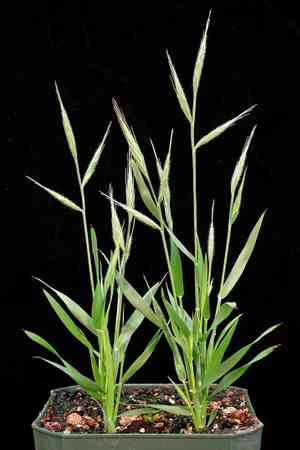
The optimal period for transplanting purple false brome extends from the beginning of spring until the early days of summer, facilitating vigorous development. Choose bright spots with soil that drains effectively, and exercise care to safeguard fragile root structures.
Essential Preparations Before Moving Purple False Brome
Optimal Period for Relocating Purple False Brome?
Moving purple false brome from early spring's thaw until the start of summer offers many advantages. This timing leverages increasing daylight and moderate temperatures, which aid root establishment, while avoiding harsh summer conditions. This prime growth window helps purple false brome flourish, building strong foundations for a successful growing season. Remember, gentle handling and adequate hydration are crucial during this phase for successful relocation.
Recommended Spacing Between Purple False Brome Plants?
When planning to relocate purple false brome, allow ample space of approximately 6-8 inches (15-20 cm) between each plant. This provides each purple false brome sufficient room to thrive without crowding, promoting robust development.
Best Soil Mixture for Purple False Brome Relocation?
For purple false brome, prepare well-draining soil rich in organic matter. Before relocating, incorporate a balanced, slow-release fertilizer to nourish the plants. This will give your purple false brome an excellent start!
Ideal Location for Your Purple False Brome?
Choose a sunny spot where purple false brome will receive full to partial sunlight. They thrive with at least 6 hours of daylight, encouraging strong, vibrant growth in your garden.
Equipment Needed Before Relocating Purple False Brome?
Gardening Gloves
To safeguard your hands while handling soil and plants.
Hand Trowel
To carefully excavate the purple false brome plant without harming its roots.
Spade or Shovel
For digging the planting hole in the ground.
Watering Can or Hose
To hydrate the plant before and after relocation.
Pruners or Scissors
To trim any damaged roots or foliage, if necessary.
Measuring Tape
To correctly space planting holes, ensuring adequate room for growth.
Garden Fork
To loosen soil around the plant's root ball.
Wheelbarrow or Plant Carrier
To move the plant and soil without stressing the roots.
Rooting Hormone (optional)
To stimulate root development in the new site.
How to Extract Purple False Brome from the Soil?
How to Extract Purple False Brome from the Soil?
From Ground: Start by watering the purple false brome plant to help loosen the soil around its roots. Using a hand trowel or spade, dig around the plant, leaving a generous amount of soil attached to the root ball. Angle the tool slightly away from the plant to avoid cutting into the roots. Gently lift the plant from the soil, supporting the root ball to prevent it from breaking apart.From Pot: First, water the purple false brome plant to make the roots more flexible and reduce transplant shock. Turn the pot on its side and gently tap or press its sides to loosen the soil. Carefully slide the plant out of the pot, holding the base of the stem and not pulling on the plant itself. If roots are circling at the bottom, gently untangle them to encourage outward growth.From Seedling Tray: Water the seedlings to ensure the soil is moist and roots are not dry. Use a hand trowel or a specialized dibber tool to gently lift the purple false brome seedling from the tray. Support the seedling by its leaves rather than the stem, as the stem can be easily damaged.
Step-by-Step Guide for Relocating Purple False Brome
Preparation
Before you begin, ensure you have all necessary tools and thoroughly water the purple false brome plant to minimize shock and facilitate root removal.
Digging Hole
Using your spade or shovel, dig a planting hole that is twice as wide and as deep as the plant's root ball.
Root Inspection
Examine the purple false brome's root ball for any signs of damage or circling roots. If needed, trim away any dead or broken roots and gently untangle circling roots.
Placement
Position the purple false brome plant in the hole so that the top of the root ball is level with the ground surface. Center the plant to ensure balanced growth.
Backfilling
Carefully refill the hole with soil, lightly tamping it down as you go to eliminate air pockets without overly compacting the soil, which can hinder root growth.
Watering
Once planted, generously water the purple false brome to settle the soil around the roots and assist with the initial shock of relocation.
Post-Relocation Care for Purple False Brome
Monitoring
Regularly check your purple false brome plant to observe its adaptation to the new location and ensure it shows no signs of stress.
Watering
Water the purple false brome as needed to maintain soil moisture, especially during the first few weeks after relocation, to help establish strong roots.
Mulching
Apply a layer of organic mulch around the base of the purple false brome, but not touching the stem, to help retain soil moisture and regulate soil temperature.
Supporting
Depending on the size and growth habit of the purple false brome, it may require staking or other support to remain upright and secure as it grows.
Pruning
Remove any dead or damaged leaves and stems to encourage healthy growth and improve air circulation around the plant.
Addressing Common Issues with Purple False Brome Relocation.
How do I know the best time to relocate purple false brome?
The ideal relocation period for purple false brome is when temperatures are mild, typically from early to late spring.
What spacing should I use when relocating purple false brome?
Aim for a spacing of 6-8 inches (15-20 cm) between each purple false brome for optimal growth and airflow.
Why is my relocated purple false brome wilting after planting?
Wilting may occur due to relocation shock. Ensure consistent soil moisture without overwatering and avoid direct sunlight for a few days.
How do I prepare the soil for relocating purple false brome?
Enrich the soil with compost or a balanced fertilizer before relocating for nourished and well-drained conditions.
Can I relocate purple false brome on a hot summer day?
Relocating purple false brome during hot weather can stress the plant. It's best to relocate in cooler, overcast conditions to prevent shock.
What is the ideal soil pH for purple false brome after relocating?
Aim for a neutral to slightly acidic pH (around 6.0 to 7.0) for the best results.
How deep should I plant purple false brome seedlings?
Plant purple false brome seedlings so the root ball sits flush with the soil surface to prevent stem rot and encourage healthy growth.
Do I need to prune purple false brome when relocating?
Pruning isn't typically necessary when relocating purple false brome, but removing any dead or damaged foliage can promote healthy growth.
What should I do if my purple false brome isn't growing after relocation?
Check that purple false brome isn't sitting in waterlogged soil or overly dry conditions and that it has enough sunlight. Also, verify spacing and nutrient requirements.
How can I protect my newly relocated purple false brome from pests?
Monitor your purple false brome regularly for signs of pests, and consider using organic pest control methods if needed to reduce harm to your plants.



