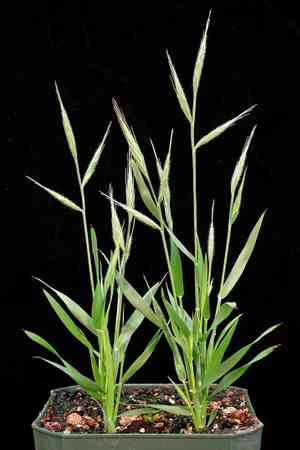
Purple false brome (Brachypodium distachyon)
Also known as: Annual false brome
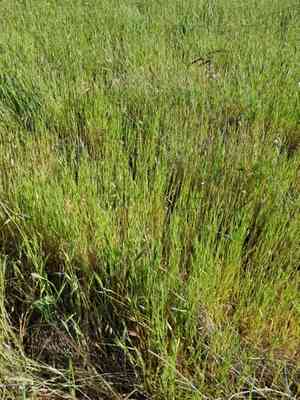
Brachypodium distachyon is the sole native annual species within its genus, with the others being perennials. This plant typically grows up to 20 cm tall, with spikelets that are flattened and spread out at a wide angle from the stem. Its leaves are narrow, generally about 4 mm in width.
In This Article
Attributes of Purple false brome
Lifespan
Annual
Plant Type
Grass
Plant Height
3 cm to 40 cm
Spread
Not applicable (grasses typically do not have a \'crown\' like trees or shrubs)
Leaf Color
Green, turning purplish as they mature
Flower Size
2 cm to 10 cm
Flower Color
Yellow Green Brown
Images of Purple false brome
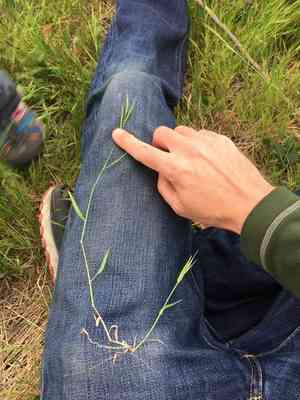
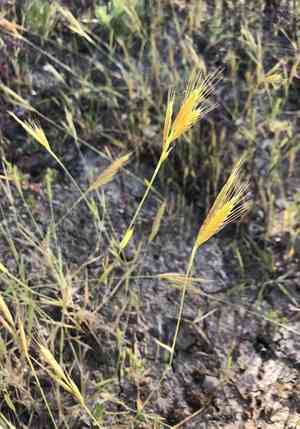
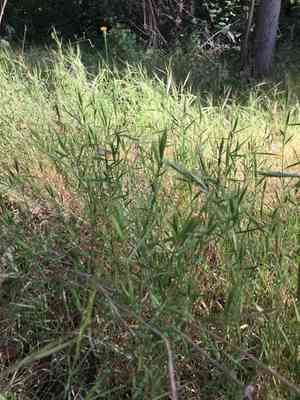
Quickly Identify Purple false brome
1
This grass can be identified by its slender, erect stems that typically grow up to 20-40 cm tall, with narrow leaves that have a purplish hue when mature. The inflorescence consists of spikelets borne on long pedicels, usually containing two terminal spikelets on each branch.
Scientific Classification of Purple false brome
Phylum
Vascular plants
Class
Monocotyledons
Order
Poales
Family
Grass
Genus
False bromes
Species
Purple false brome
Planting and Growing of Purple false brome
Care Difficulty
Easy
Watering Schedule
Every 2 days
Sunlight Requirements
Partial sun
Sunshine Duration
10-12 hours
Ideal Temperature
68-77℉
Soil Type
Potting Mix, Peat Mix
Soil pH
6.5-7.5
Fertilizer Type
Balanced
Pruning Season
Spring, Summer
Pruning Area
Branches, Leaves
Pruning Frequency
2 times a year
Repotting Season
Spring
Pot Type
Plastic, Ceramic
 How to Water Purple false brome?
Brachypodium distachyon thrives best when its soil is kept consistently moist but not waterlogged. Watering with 100 ml of water per session ensures that the soil is adequately hydrated without oversaturating it. The goal is to mimic a naturally moist, grassy habitat, allowing the roots to breathe and absorb nutrients efficiently.
What are the symptoms of an underwatered Purple false brome?
›
What should I do if my Purple false brome is not getting enough water?
›
What are the symptoms of an overwatered Purple false brome?
›
How to save an overwatered Purple false brome?
›
 What Are the Sunlight Requirements for Purple false brome?
Partial to full sun optimizes growth, providing necessary energy for photosynthesis, which bolsters plant health and flowering potential.
How much sunlight does Brachypodium distachyon need?
›
How to achieve ideal sunlight conditions?
›
Benefits of receiving ideal sunlight?
›
 What Is the Ideal Temperature Range for Purple false brome?
Brachypodium distachyon thrives best in a temperature range from 68°F to 77°F. This range supports optimum metabolic functions, promoting healthy growth and robust development. Maintaining this temperature ensures that the plant's physiological processes remain efficient, thereby enhancing its growth rate and overall health.
 What Soil is Best for Purple false brome?
Brachypodium distachyon thrives in nutrient-rich soil, as it provides essential nutrients for robust growth. A well-fertilized loam can enhance root development and overall plant health, leading to vigorous and lush foliage. This plant benefits from well-drained soil conditions, which prevent root rot and other waterlogging issues. It promotes healthy root systems and improves the plant's ability to absorb nutrients effectively, ensuring a strong growth cycle. Although it prefers moderate moisture, the soil should neither be too dry nor overly wet. Maintaining this balance supports steady growth and vibrant health, making sure the plant is not stressed by water scarcity or excess.
 How to Fertilize Purple false brome?
Brachypodium distachyon benefits from a measured approach in fertilization. For liquid fertilizers, use a diluted solution at 1/4 strength to avoid nutrient overload. For solid fertilizers, a slow-release formula can be applied sparingly, following the package instructions—usually around a teaspoon per plant, depending on the specific product and soil conditions.
 How to Prune Purple false brome?
Begin by inspecting the plant for any dead, diseased, or damaged stems and remove these first. Next, focus on thinning out areas of dense growth to increase air circulation. Make cuts just above a node or lateral bud to promote new growth. Regularly step back to assess the overall shape and balance of the plant. In spring and summer, focus on shaping the plant and promoting growth, whereas in autumn and winter, it's more about cleaning up dead material and preparing for dormancy. Always adjust pruning intensity based on the specific needs and health of the plant throughout the year.
More About Pruning Techniques→
 How to Propagate Purple false brome plant?
1
Choose high-quality seeds that are viable and healthy, which increases the likelihood of successful germination and robust plant growth.
2
Spread the seeds evenly across the surface of a seed tray filled with moist potting soil, ensuring they have ample space to grow.
3
Water the seeds gently to avoid dislodging them, ensuring the soil is consistently moist but not waterlogged to encourage germination.
 How to Repot Purple false brome plant?
1
Repot Brachypodium distachyon when you notice the plant outgrowing its current pot, with roots visibly growing through the drainage holes or tightly packed around the soil's edge. Ideal signs for repotting include slowed growth, reduced flowering, and the need for more frequent watering.
2
Select a pot that is 1-2 inches larger in diameter than the current one, with sufficient drainage holes to prevent waterlogging. The right pot allows for healthier root growth and better water management, ensuring the plant's vigor and resilience against overwatering issues.
3
Opt for a well-draining sandy mix that mimics its natural habitat. This soil type promotes healthy root development by ensuring adequate aeration and preventing root rot. The correct soil mix is essential for maintaining moisture balance and nutrient availability.



