How to Transplant Needle grama?
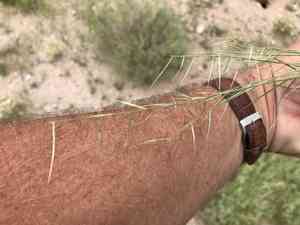
The ideal period for transplanting needle grama extends from the refreshing onset of early spring through the gentle beginning of late spring, facilitating superior root development. Opt for sunny, adequately drained locations to encourage robust proliferation.
What Preparations are Needed Before Transplanting Needle Grama?
What is the Ideal Time for Transplanting Needle Grama?
Moving needle grama once winter's cold recedes provides your plants with the best start. This optimal period, as warmer days return, promotes root establishment prior to summer's heat. Such timing allows needle grama to adapt to new surroundings, utilizing mild temperatures for vigorous development. Begin this gardening endeavor in nature's gentle awakening, and observe needle grama flourish with spring's tender touch.
How Much Space Should You Leave Between Needle Grama Plants?
Before introducing your needle grama to their new location, ensure they have ample room to thrive! Position each one 6-8 inches (15-20 cm) apart. This will provide them sufficient space to develop robustly and healthily, without overcrowding their neighbors.
What is the Best Soil Mix for Needle Grama Transplanting?
Your needle grama will flourish in soil that drains well and is rich in organic material. Improve their new environment with a balanced, slow-release fertilizer to give them a nourishing beginning. A small amount of preparation greatly benefits your green companions!
Where Should You Relocate Your Needle Grama?
Locate a sunny spot for your needle grama as they enjoy basking in full sunlight! Select an area where they can receive unfiltered, direct light for most of the day, to ensure their optimal growth and vitality.
What Equipments Should You Prepare Before Transplantation Needle Grama?
Gardening Gloves
To safeguard your hands while handling soil and plants.
Trowel
For excavating and moving earth.
Spade or Shovel
To carefully dig out the plant if it originates from the ground.
Watering Can or Hose
To pre-moisten the plant before removal and to irrigate after transplanting.
Pruning Shears
For trimming any dead or excess growth prior to transplanting.
Wheelbarrow or Plant Dolly
To transport the plant if it is large or to move heavy soil or compost.
Root Pruner or Knife
To trim any damaged roots, if required.
How Do You Remove Needle Grama from the Soil?
How Do You Remove Needle Grama from the Soil?
From Ground: First, water the needle grama plant to moisten the soil, which facilitates removal. Then, use a shovel or spade to dig a wide circle around the plant, being careful not to harm the root ball. Gently rock the plant back and forth to loosen the roots from the ground and carefully lift the plant out.From Pot: Lightly water the needle grama to make its removal from the pot easier. Turn the pot on its side and gently tap the base to loosen the plant. If the plant doesn't come out, you may need to carefully slide a knife along the inner edge of the pot. Then, gently pull the plant by its base to extract it from the pot.From Seedling Tray: Dampen the soil to prevent root damage. Use a trowel or your fingers to gently lift the seedling by its leaves, not the stem, from the tray. Handle the root ball with care to avoid any harm to the young roots.
Step-by-Step Guide for Transplanting Needle Grama
Prepare Transplant Hole
Excavate a hole twice as wide and equally deep as the root ball of your needle grama. This allows the roots to spread out easily in their new location.
Inspect Roots
Examine the root ball. If the roots are tightly coiled or circling, gently separate them with your fingers or use a root pruner to encourage outward growth.
Position needle grama
Place the needle grama in the center of the hole, ensuring the top of the root ball is level with the surrounding soil. Avoid planting too deeply as this can lead to stem rot.
Fill the Hole
Backfill the hole with soil, carefully placing it around the root ball. Gently firm the soil with your hands to eliminate air pockets which can dry out roots.
Water Deeply
Thoroughly water the needle grama after planting to settle the soil around the roots and to hydrate the plant. This also helps to reduce transplant shock.
Stabilize the Plant
If necessary, stake or support the needle grama to ensure it remains upright and stable as it develops.
How Do You Care For Needle Grama After Transplanting?
Consistent Watering
Ensure to water the needle grama regularly, allowing the soil to dry slightly between waterings to promote deep root development.
Mulching
Apply a layer of organic mulch around the base of needle grama, keeping it away from the stem to reduce moisture loss and to suppress weeds that compete for nutrients.
Monitoring
Keep a close watch on the needle grama for indications of stress, such as wilting or discolored leaves, and adjust care as needed to help it recover and flourish after the transplant.
Troubleshooting Common Issues with Needle Grama Transplantation.
What's the best timing to transplant needle grama for optimal growth?
The ideal transplanting period for needle grama is in the warmth of early to late spring, when frost is no longer a concern.
How far apart should I space needle grama when transplanting?
Optimal spacing for needle grama is approximately 6-8 inches (15-20 cm) apart to provide each plant room to thrive.
Why are my needle grama seedlings wilting after transplant?
Wilting may be due to transplant shock. Ensure careful handling and adequate watering to aid their recovery.
How much should I water needle grama after transplanting?
Water needle grama generously after transplanting to settle the soil around roots, then adjust to regular watering requirements.
What soil conditions favor needle grama transplant success?
Plant needle grama in well-draining soil enriched with organic matter to encourage healthy root growth.
What light conditions are needed for needle grama after transplanting?
Position needle grama in a location with full sun exposure to promote robust growth after transplanting.
How do I handle root-bound needle grama during transplanting?
Carefully untangle the roots of needle grama and trim if necessary before transplanting to prevent growth problems.
Why isn't my needle grama growing after transplant?
Stunted growth could be due to transplant shock, compacted soil, or nutrient deficiency. Review care practices and soil quality.
Can I use fertilizer immediately after transplanting needle grama?
Wait 2-4 weeks before fertilizing needle grama to prevent root burn and allow them to establish in their new spot.
What should I do if my needle grama's leaves turn yellow after transplanting?
Yellowing leaves may indicate overwatering, underwatering, or nutrient deficiency. Adjust your watering routine and assess soil nutrients.



