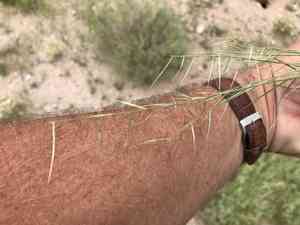
Needle grama (Bouteloua aristidoides)
Also known as: Gramagrass
Needlegrass (Stipa spp.) is a hardy grass characterized by its fine, needle-like seed heads that tower over its slender, tufted blades. Ideal for dry regions, it excels in arid environments due to its exceptional drought resistance. This grass forms distinctive clumps, adding both texture and dynamic movement to the landscapes it graces.
In This Article
Attributes of Needle grama
Lifespan
Annual
Plant Type
Grass
Plant Height
0.2 to 1 meter
Spread
Typically quite narrow, as it is a grass. About 10-20 cm in diameter.
Leaf Color
Green
Flower Size
Tiny, each spikelet is about 2-3 mm wide.
Flower Color
Purple
Images of Needle grama
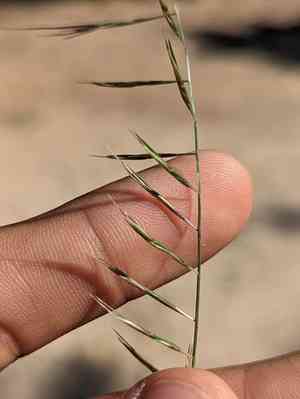
Quickly Identify Needle grama
1
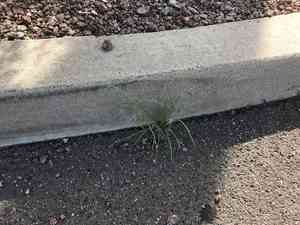
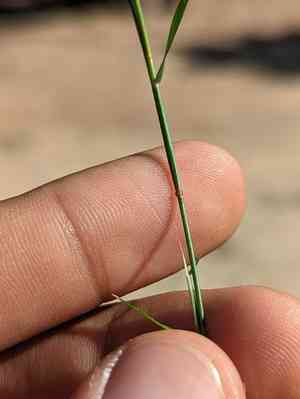
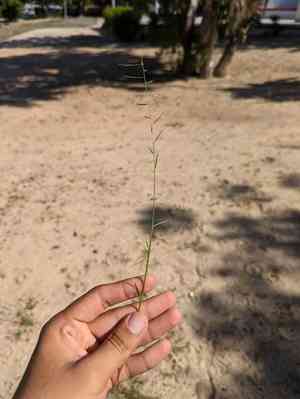
Bouteloua aristidoides can be identified by its slender, needle-like leaves and flexible culms. The inflorescence is a small, one-sided panicle that resembles a tiny comb or brush. The individual spikelets are paired and have a distinctive hairy base.
Scientific Classification of Needle grama
Phylum
Vascular plants
Class
Monocotyledons
Order
Poales
Family
Grass
Genus
Grama grasses
Species
Needle grama
Planting and Growing of Needle grama
Care Difficulty
Easy
Watering Schedule
Every 2 days
Sunlight Requirements
Full sun
Sunshine Duration
6-12 hours
Ideal Temperature
68-86℉
Soil Type
Potting Mix, Peat Mix
Soil pH
6.5-7.5
Fertilizer Type
Balanced
Pruning Season
Spring, Summer
Pruning Area
Branches, Leaves
Pruning Frequency
2 times a year
Repotting Season
Spring
Pot Type
Plastic, Ceramic
 How to Water Needle grama?
Bouteloua aristidoides requires a moderate watering routine. Each session should provide about 250 milliliters of water to ensure the root zone is moist but not waterlogged. This amount helps maintain the plant's health while preventing root rot.
What are the symptoms of an underwatered Needle grama?
›
What should I do if my Needle grama is not getting enough water?
›
What are the symptoms of an overwatered Needle grama?
›
How to save an overwatered Needle grama?
›
 What Are the Sunlight Requirements for Needle grama?
Bouteloua aristidoides flourishes best under 6 to 8 hours of sunlight daily. Ideal lighting maximizes energy production and seed development, ensuring robust health and strong adaptive capabilities to environmental changes.
What is the best location for Bouteloua aristidoides?
›
How to ensure optimal sunlight exposure?
›
What benefits does ideal lighting provide?
›
 What Is the Ideal Temperature Range for Needle grama?
The ideal temperature range for Bouteloua aristidoides, commonly known as needle grama, is between 68°F and 86°F. This range ensures optimal growth and development, allowing the plant to thrive and maintain its physiological processes efficiently.
 What Soil is Best for Needle grama?
Bouteloua aristidoides prefers soils with excellent drainage. This helps prevent root rot and allows the plant to thrive in arid environments where rainfall is scarce. Good drainage enhances the root system's access to oxygen, promoting healthier growth and resilience against diseases. This plant is adapted to low fertility soils, thriving with minimal nutrients. It evolved in environments with limited resources, allowing it to grow well without additional fertilizers. This means less maintenance and a more sustainable gardening practice, beneficial for both the plant and the environment. Proper aeration is crucial for Bouteloua aristidoides, ensuring that the roots receive enough oxygen to support its growth. Aerated soils prevent compaction, allowing roots to spread easily and absorb nutrients efficiently, which enhances the overall health and vitality of the plant.
 How to Fertilize Needle grama?
For Bouteloua aristidoides, it's best to use a balanced fertilizer. A 10-10-10 NPK fertilizer is suitable, applying approximately 0.5 lbs per 100 square feet for optimal health and growth. Always dissolve the appropriate amount of liquid fertilizer in water as per the label instructions to avoid root damage.
 How to Prune Needle grama?
While it might be tempting to prune a lot for shape or aesthetics, over-pruning can stress Bouteloua aristidoides. This can lead to poor regrowth and even make the plant susceptible to diseases and pests. Always start with making small cuts and avoid removing more than one-third of the plant at a time. To encourage new growth, prune your Bouteloua aristidoides immediately after they have finished flowering. This timing helps to promote robust new shoots and can lead to a healthier plant in the upcoming growing season.
More About Pruning Techniques→
 How to Propagate Needle grama plant?
1
Prepare a well-draining soil mix and fill seed trays or pots. Ensure the soil is moist but not overly wet to create a suitable environment for seed germination.
2
Evenly distribute Bouteloua aristidoides seeds over the soil surface, and cover them lightly. Press the soil gently to ensure good seed-to-soil contact, which aids in successful germination.
3
Keep the soil consistently moist by misting it regularly. This will help maintain the necessary humidity and moisture levels for the seeds to successfully germinate and establish.
 How to Repot Needle grama plant?
1
Bouteloua aristidoides should be repotted when its growth seems stunted or when roots begin to protrude from the drainage holes. Another signal is if the soil doesn't hold moisture effectively. Ideally, schedule repotting during the growth seasons of spring or summer, providing the plant a robust start in its new container.
2
Select a pot that is 1-2 inches larger in diameter than the current one to give the plant enough space to grow. Ensure the pot has adequate drainage holes; this helps prevent waterlogging, which can lead to root rot. A well-ventilated pot also allows better root aeration, which promotes healthier root growth.
3
Opt for a well-draining sandy soil mix to mimic its natural habitat. The sandy structure ensures excellent drainage, preventing root rot while providing necessary nutrients. This not only supports optimal growth but also reduces the likelihood of fungal infections or pest invasions common in overly moist environments.



