How to Transplant Blue grass?
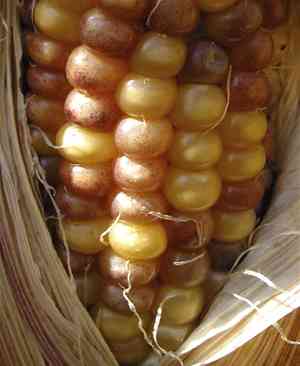
The ideal time to transplant blue grass into your garden is in the mild conditions of mid-to-late spring, which provides the best opportunity for establishment. Select a bright spot with soil that drains effectively. If necessary, gradually introduce blue grass to its new environment to minimize stress.
What Preparations are Needed Before Transplanting Blue Grass?
What is the Ideal Time for Transplanting Blue Grass?
The prime period for relocating blue grass is from early spring to just before its peak bloom. This timing leverages mild temperatures and increasing daylight, allowing blue grass roots to establish strongly. Moving them during this active phase ensures a smooth transition, protecting blue grass roots from weather extremes and promoting lush future growth. Remember, choosing this season for blue grass helps it adapt seamlessly to its new spot, setting it up for a vigorous perennial cycle.
How Much Space Should You Leave Between Blue Grass Plants?
When preparing to rehome your blue grass, position them approximately 6-12 inches (15-30 cm) apart. This spacing provides ample room for each plant to thrive without overcrowding!
What is the Best Soil Mix for Blue Grass Transplanting?
For your blue grass, opt for a well-draining soil blend! Incorporate organic compost as a foundational fertilizer to give your green companion a nutrient-rich start. It's the perfect subterranean feast for developing robust roots!
Where Should You Relocate Your Blue Grass?
Select a sunny location for your blue grass to flourish – they prefer at least 6 hours of daily sunlight. The perfect spot offers gentle morning sun and some afternoon shade.
What Equipments Should You Prepare Before Transplantation Blue Grass?
Gardening Gloves
To safeguard your hands while handling soil and blue grass.
Shovel or Spade
For digging and lifting the blue grass from its current spot.
Garden Fork
To loosen soil and assist in carefully extracting the blue grass if necessary.
Hand Trowel
For more precise digging and managing smaller blue grass plants.
Pruning Shears
To trim blue grass roots or foliage as needed.
Wheelbarrow or Garden Cart
To move blue grass and soil without straining your back.
Watering Can or Hose
To hydrate the blue grass before and after relocation.
Garden Hose with Spray Attachment
To gently water the blue grass without causing damage.
How Do You Remove Blue Grass from the Soil?
How Do You Remove Blue Grass from the Soil?
From Ground: First, thoroughly moisten the soil around the blue grass to soften it. Then, using a shovel or spade, carefully dig a wide circle around the blue grass to protect the root ball. Angle the spade beneath the root ball, slowly prying the blue grass from the ground.From Pot: Begin by watering the potted blue grass to facilitate root removal. Turn the pot on its side and gently tap or press the bottom and sides to loosen the soil. Grasp the base of the blue grass firmly and carefully ease it out of the pot while supporting the root ball.From Seedling Tray: Water the seedlings well before attempting removal. Use a hand trowel or fork to loosen the soil around each blue grass seedling. Gently lift the seedling by its leaves, not the stem, to prevent damage, ensuring a good amount of soil remains attached to the roots.
Step-by-Step Guide for Transplanting Blue Grass
Preparing the New Location
Find a suitable spot in your garden that meets the previously mentioned requirements. Dig a hole that is twice as wide and as deep as the blue grass's root ball.
Root Ball Care
Inspect the blue grass's root ball after removal. If the roots are tightly bound, gently separate them with your fingers to encourage outward growth.
Placement
Center the blue grass in the prepared hole. The top of the root ball should be level with the surrounding soil surface.
Refilling the Hole
Carefully backfill the hole with the excavated soil, firming it around the blue grass to eliminate air pockets. Water the area thoroughly to settle the soil.
Staking
If the blue grass is tall or in a windy location, secure it to a stake for support. Use soft materials like fabric strips or specialized tree ties to prevent stem damage.
How Do You Care For Blue Grass After Transplanting?
Initial Watering
Immediately after planting, water the blue grass generously to help establish good root-to-soil contact, minimize transplant shock, and provide essential hydration.
Mulching
Apply a layer of organic mulch around the base of the blue grass to help retain moisture, stabilize soil temperature, and reduce weed competition.
Pruning
Trim any damaged or broken roots or foliage before planting. Post-planting, only prune if necessary for shaping or removing dead material.
Monitoring Growth
Regularly check the blue grass's health, looking for signs of new growth or distress. Address any issues such as pest infestations or diseases as they arise.
Troubleshooting Common Issues with Blue Grass Transplantation.
What's the best time to transplant blue grass?
For blue grass, transplanting during the optimal period of mid to late spring ensures robust growth.
How far apart should I space blue grass while transplanting?
Spacing blue grass 6-12 inches (15-30 cm) apart allows for their development and ample room to thrive.
What's the ideal soil preparation for transplanting blue grass?
Enrich the soil with organic matter and ensure good drainage to give blue grass a healthy start.
How deep should the holes be for transplanting blue grass?
Dig holes as deep as the root ball but twice as wide to carefully accommodate blue grass roots.
Should I water blue grass immediately after transplanting?
Yes, providing blue grass with a thorough watering right after transplanting helps settle the soil and lessens transplant shock.
Why is my transplanted blue grass wilting?
Wilting after transplanting blue grass can be due to transplant shock. Consistent watering and partial shade can aid recovery.
How do I protect my blue grass after transplanting?
Mulch around blue grass to retain moisture, suppress weeds, and shield from extreme temperatures.
Can I fertilize blue grass immediately after transplanting?
Wait a few weeks before fertilizing to allow blue grass to settle and prevent root burn from sudden nutrient boosts.
What are the signs of overwatering blue grass after transplanting?
Yellowing leaves and a soggy base may indicate excessive watering for your newly transplanted blue grass.
How much sunlight does blue grass need after transplanting?
Post-transplant, blue grass thrives in full sun, so choose a spot with abundant daily sunshine to encourage its growth.



