Blue grass (Bothriochloa bladhii)
Also known as: Purple plumegrass, Australian bluestem
This species of blue grass, originating from Africa, Asia, and Australia, is known for being a popular choice for livestock feed. It can be conveniently stored for winter and is also valued for its ability to stabilize and revegetate disturbed soils.
In This Article
Attributes of Blue grass
Lifespan
Perennial
Plant Type
Grass
Plant Height
50 cm to 1 m
Spread
60 cm
Leaf Color
Bluish-green
Flower Size
3 cm to 8 cm
Flower Color
Yellow Green Purple Brown
Images of Blue grass
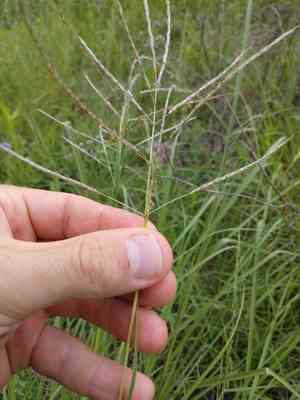
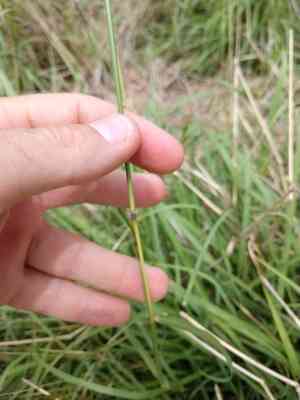
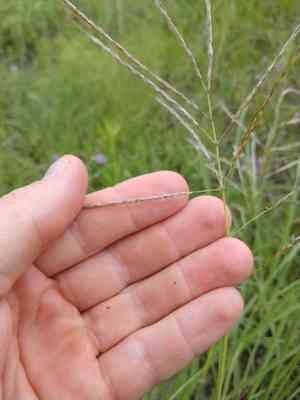
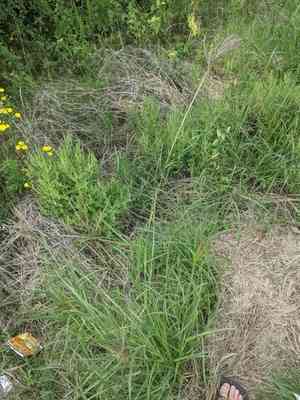
Quickly Identify Blue grass
1
To identify Bothriochloa bladhii, look for its characteristic tufted growth and erect stems. The grass typically has a bluish-green color, and the inflorescence is a large, branched panicle which often has a purplish hue.
Scientific Classification of Blue grass
Phylum
Vascular plants
Class
Monocotyledons
Order
Poales
Family
Grass
Genus
Bluegrass
Species
Blue grass
Planting and Growing of Blue grass
Care Difficulty
Easy
Watering Schedule
Every 2 days
Sunlight Requirements
Full sun
Sunshine Duration
4-8 hours
Ideal Temperature
60-77℉
Soil Type
Potting Mix, Peat Mix
Soil pH
6.5-7.5
Fertilizer Type
Balanced
Pruning Season
Spring, Summer
Pruning Area
Branches, Leaves
Pruning Frequency
2 times a year
Repotting Season
Spring
Pot Type
Plastic, Ceramic
 How to Water Blue grass?
Bothriochloa bladhii appreciates a moderate watering amount each session. It's essential to ensure that the soil is moist but not waterlogged. Aim for around 150 milliliters at a time, ensuring the soil is evenly dampened, which helps in maintaining optimal growth.
What are the symptoms of an underwatered Blue grass?
›
What should I do if my Blue grass is not getting enough water?
›
What are the symptoms of an overwatered Blue grass?
›
How to save an overwatered Blue grass?
›
 What Are the Sunlight Requirements for Blue grass?
Bothriochloa bladhii prospers in full to partial sun, ideally in open spaces. Proper light exposure leads to healthier foliage, better flowering, and vigorous growth.
More About Sunlight Requirements Techniques→
How much sunlight is ideal?
›
What solutions are suggested for optimal light?
›
What benefits does ideal light bring?
›
 What Is the Ideal Temperature Range for Blue grass?
Bothriochloa bladhii, commonly known as forest bluegrass, thrives best in a moderate temperature range. Keeping the environment between 60°F and 77°F ensures optimal growth and health. Temperatures within this range facilitate photosynthesis, support enzymatic activities, and are conducive to both vegetative and flowering stages. Maintaining these conditions will lead to robust and vibrant plant health.
 What Soil is Best for Blue grass?
Bothriochloa bladhii thrives best in nutrient-rich soils which provide essential minerals. This encourages robust growth and enhances the plant's ability to spread quickly. A well-enriched soil ensures the grass remains green and vibrant while supporting its ecological functions. This plant requires well-drained soil to prevent root rot and other waterlogging issues. Proper drainage is crucial for maintaining healthy roots, ensuring the plant's longevity and vigor. It enhances the plant's resilience to changing weather conditions. Bothriochloa bladhii can tolerate varying degrees of soil moisture, but maintaining moderate moisture levels is optimal. Adequate moisture aids in nutrient uptake and supports active growth cycles, keeping the plant lush and healthy year-round.
 How to Fertilize Blue grass?
Bothriochloa bladhii requires moderate fertilization. For liquid fertilizers, apply approximately half the strength recommended on the label to avoid burning the roots. A balanced 10-10-10 NPK liquid fertilizer at a rate of 1 teaspoon per gallon of water is usually sufficient for this grass. For slow-release fertilizers, use approximately 1 pound per 100 square feet.
 How to Prune Blue grass?
Trim back old growth to maintain the desired shape. Start by removing any dead or yellowing stems near the base, then proceed to lightly trim the top and sides. To promote denser growth, trim the tips of the grasses. This encourages lateral growth, making the clump more robust and visually appealing.
More About Pruning Techniques→
 How to Propagate Blue grass plant?
1
Begin by collecting seeds from mature Bothriochloa bladhii plants. Clean and dry them properly to avoid mold and store them in a cool, dry place until ready for sowing. This ensures high germination rates.
2
Sow the seeds evenly in prepared trays filled with seed-starting mix. Lightly cover them with soil and water gently. Place the trays in a warm, sunny location to encourage germination, keeping the soil consistently moist.
3
For division propagation, dig up a mature plant with a garden spade. Carefully separate the clump into smaller pieces, ensuring each has roots intact. Replant the divisions in well-prepared soil to establish new plants.
 How to Repot Blue grass plant?
1
Look for signs like roots emerging from the pot's drainage holes, slow plant growth, and compacted soil. These are clear indicators that Bothriochloa bladhii is yearning for more space and nutrients, signaling it's time to repot.
2
Choose a pot that's 2-3 inches larger in diameter than the current one. Opting for one with multiple drainage holes is crucial as it prevents waterlogging, promotes healthy root development, and minimizes root rot risks.
3
Go for sandy loam soil that is well-draining yet retains essential moisture. This soil type encourages robust growth, ensures adequate aeration, and maintains the perfect balance of nutrients for Bothriochloa bladhii to thrive.



