How to Transplant Yam?
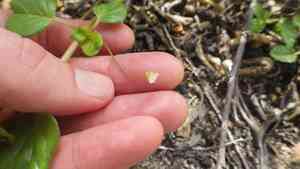
The optimal period for transplanting yam extends from late spring through early summer, capitalizing on consistent, mild temperatures. Select a growing medium with good drainage and a sheltered location, facilitating yam's successful integration.
What Preparations are Needed Before Transplanting Yam?
What is the Ideal Time for Transplanting Yam?
The perfect time to move yam is when the sun warms the garden from late spring into early summer. This period allows yam to settle in with moderate warmth and sufficient sunlight, encouraging strong development. Moving yam during this window promotes root growth before the peak summer heat, ensuring a smooth adjustment and vibrant health.
How Much Space Should You Leave Between Yam Plants?
When getting ready to transplant yam, it's best to provide them with room to thrive. Aim for a spacing of about 6-8 inches (15-20 cm) between each plant. This offers ample room for growth while keeping your garden organized.
What is the Best Soil Mix for Yam Transplanting?
For healthy yam plants, blend rich, well-draining soil with a balanced base fertilizer before planting. Loamy soil is especially good. Adding compost will enrich the soil and give your yam a boost as they get established.
Where Should You Relocate Your Yam?
Choose a sunny spot for your yam that gets at least 6 hours of sunlight daily. A location that receives morning sun is particularly beneficial, as it will warm your yam after a cool night.
What Equipments Should You Prepare Before Transplantation Yam?
Gardening Gloves
To shield your hands while handling soil and plants.
Hand Trowel
For digging small holes and moving the plant into the ground.
Shovel or Spade
For bigger transplanting tasks, such as excavating the root ball when removing yam from the ground.
Watering Can or Hose
To hydrate the plant before and after moving it.
Shears or Pruning Snips
To trim any dead or damaged roots or foliage prior to transplanting.
Wheelbarrow or Plant Dolly
For transporting the plant and soil without strain.
Rooting Hormone (optional)
To stimulate root development after transplanting.
How Do You Remove Yam from the Soil?
How Do You Remove Yam from the Soil?
From Ground: First, water the yam plant to moisten the soil. Then, dig a wide trench around the plant using a shovel or spade, being careful not to harm the root ball. Gently lift the plant from the ground, keeping as much of the root system intact as possible.From Pot: Water the yam, then turn the pot sideways, hold the plant's base and tap the bottom to loosen the soil. Slowly pull the plant out, ensuring the root ball stays whole and undisturbed.From Seedling Tray: Dampen the soil to facilitate the removal of the yam seedling. Use a hand trowel or your fingers to carefully lift the plant out of its compartment, taking care not to damage the delicate roots.
Step-by-Step Guide for Transplanting Yam
Preparation
Ensure that your new planting site offers the correct conditions for yam to thrive. Make sure the area is free of weeds and debris.
Root Pruning
Before transplanting yam, trim any broken or overly long roots with your shears or pruning snips to encourage new growth.
Digging Hole
Dig a hole in the chosen spot that is twice as wide and the same depth as the root ball of your yam plant.
Filling Hole
Place the yam plant in the center of the hole. Fill the hole with soil, ensuring the plant is stable and upright. Gently pat the soil down around the root ball.
Watering
Water the yam plant thoroughly after planting to settle the soil and eliminate any air pockets. This will also help to hydrate the roots.
Supports (if needed)
If your yam is a larger specimen, staking might be necessary. Install any supports at the time of planting to avoid damaging the root system later on.
How Do You Care For Yam After Transplanting?
Immediate Watering
Water the yam plant generously right after transplanting to help the soil settle and lessen transplant shock.
Mulching
Apply a layer of organic mulch around the yam to retain moisture, regulate soil temperature, and reduce weed competition.
Observation
Monitor your yam for signs of transplant stress, such as wilting leaves or discoloration, and address them promptly.
Gradual Sun Exposure
If the yam was previously in a shadier spot, gradually accustom it to its new sunlight conditions to prevent sunburn or shock.
General Care
Continue regular care, including watering as needed, to ensure yam establishes well in its new location.
Troubleshooting Common Issues with Yam Transplantation.
When's the best time for transplanting yam?
Optimal transplanting for yam is during late spring or at the beginning of summer, when temperatures are mild.
What's the ideal spacing for yam when transplanting?
Ensure to keep a minimum distance of 6-8 inches (15-20 cm) between each yam to promote healthy growth.
What soil preparation is necessary before transplanting yam?
Prepare the soil with ample organic matter to ensure it's well-draining and fertile.
How deep should I plant yam when transplanting?
Dig a hole just large enough to accommodate the root ball, ensuring the base of the stem is level with the soil surface.
What's the best way to water yam after transplanting?
Water gently but thoroughly to settle the soil around the roots, avoiding waterlogged conditions.
Why are my transplanted yam's leaves wilting?
Wilting can be a sign of transplant shock; ensure proper watering and minimize root disturbance during transplantation.
Can I transplant yam on a hot day?
It's best to transplant yam on a cloudy day or in the evening to reduce stress from heat.
How do I ensure yam doesn't suffer from transplant shock?
Minimize root exposure to air, water adequately, and provide shade if necessary for the first few days post-transplant.
Do I need to prune yam when transplanting?
No major pruning is needed, but do remove any damaged or diseased leaves to focus the plant's energy on root establishment.
How long does it take for yam to establish after transplanting?
With proper care, yam should begin strong growth within a few weeks post-transplant.



