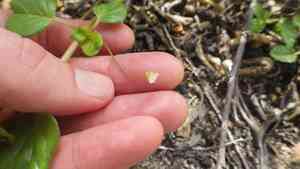
Yam (Boerhavia repens)
Also known as: Anena
Yam plants thrive in tropical regions of Africa, Asia, and Australia. They are often found in dry coastal areas and can bloom throughout the year. The genus *Dioscorea* is named after the ancient Greek physician and botanist Dioscorides.
In This Article
Attributes of Yam
Lifespan
Perennial
Plant Type
Herb
Plant Height
up to 60 cm
Spread
N/A
Leaf Color
Green
Flower Size
approximately 0.5 cm
Flower Color
White Purple Pink
Images of Yam
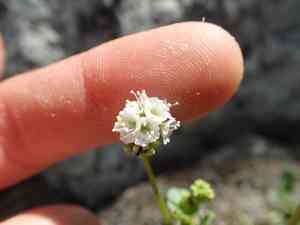
Quickly Identify Yam
1
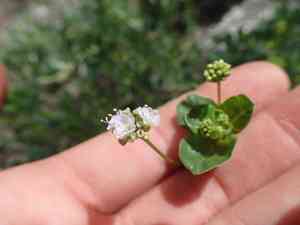
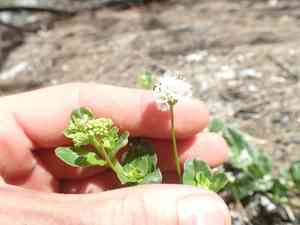
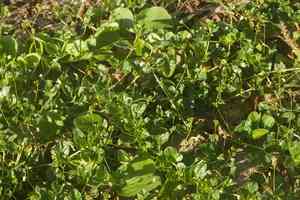
To identify Boerhavia repens, look for its prostrate stems that often form mats on the ground. The leaves are opposite, simple, and have a slightly wavy margin. The flowers are small, pink to purplish, and usually found in clusters at the ends of the stems.
Scientific Classification of Yam
Phylum
Vascular plants
Class
Dicotyledons
Order
Caryophyllales
Family
Four o'clock
Genus
Spiderlings
Species
Yam
Planting and Growing of Yam
Care Difficulty
Easy
Watering Schedule
Every 4 days
Sunlight Requirements
Partial sun
Sunshine Duration
6-10 hours
Ideal Temperature
68-86℉
Soil Type
Potting Mix, Peat Mix
Soil pH
6.5-7.5
Fertilizer Type
Balanced
Pruning Season
Spring, Summer
Pruning Area
Branches, Leaves
Pruning Frequency
2 times a year
Repotting Season
Spring
Pot Type
Plastic, Ceramic
 How to Water Yam?
Boerhavia repens requires a careful balance in watering. It is crucial to ensure the soil is sufficiently moist but not waterlogged. Aim for approximately 250 milliliters per watering, allowing the water to soak through the soil until you observe a slight drainage at the bottom.
What are the symptoms of an underwatered Yam?
›
What should I do if my Yam is not getting enough water?
›
What are the symptoms of an overwatered Yam?
›
How to save an overwatered Yam?
›
 What Are the Sunlight Requirements for Yam?
Boerhavia repens excels with partial to full sun exposure, about four to six hours daily. This balance promotes optimal growth, allowing the plant to photosynthesize efficiently and maintain its health.
More About Sunlight Requirements Techniques→
How much sunlight is ideal for Boerhavia repens?
›
What are the solutions for achieving ideal sunlight?
›
What benefits can the ideal sunlight offer?
›
 What Is the Ideal Temperature Range for Yam?
Boerhavia repens thrives best in warm temperatures that range between 68°F and 86°F. Maintaining this temperature range ensures optimal growth and overall health, providing the necessary environment for effective photosynthesis and root development.
 What Soil is Best for Yam?
Boerhavia repens thrives in well-drained soil, which prevents waterlogging that can lead to root rot. Ensuring the soil drains adequately helps the plant maintain robust roots and overall health. This plant prefers moderately fertile soils to flourish. It does not demand high fertility, making it easier to manage without frequent fertilization, while still providing enough nutrients for optimal growth. While it needs good drainage, Boerhavia repens also requires soil that retains enough moisture. Sandy loam provides an excellent balance, ensuring the plant does not dry out between watering.
 How to Fertilize Yam?
For Boerhavia repens, careful attention to fertilization ensures robust growth. Typically, using a balanced liquid fertilizer of 10-10-10, apply approximately 1/2 teaspoon per gallon of water. This ratio provides essential nutrients without overwhelming the plant's roots, promoting steady and sustained growth. Ensure that the soil is moist before applying fertilizer to avoid root scorching.
 How to Prune Yam?
Before beginning any pruning work, make sure you have all necessary tools such as pruning shears, gloves, and disinfectant. Clean and sharpen your cutting tools to ensure smooth cuts that minimize plant damage. Always sterilize tools before and after use to prevent the spread of disease. To prevent fungal infections and pest infestations, it's crucial to maintain a sanitary environment while pruning. Ensure that all plant debris is promptly cleared and disposed of properly. Avoid pruning during wet or overly humid conditions, which can encourage fungus. Monitor the plant for a few weeks after pruning to catch any issues early.
More About Pruning Techniques→
 How to Propagate Yam plant?
1
For seed propagation, begin by collecting mature seeds from a healthy plant. Ensure the seeds are dry and free of any infections. Store them temporarily in a cool, dry place.
2
Choose a healthy section of the plant for cuttings. Make a clean cut using pruning shears, ensuring the cutting is about 4-6 inches long with a few leaves attached.
3
For division propagation, gently uproot the plant and use a spade to divide the root ball into smaller sections. Each section should have a healthy root system and foliage.
 How to Repot Yam plant?
1
Repot Boerhavia repens when you notice its roots are circling the pot or peeking out of the drainage holes. This indicates that the plant is root-bound and needs more space. Additionally, if the growth slows down despite optimal conditions, it might be time to refresh the soil. Spring and early summer are the best times for repotting, ensuring the plant experiences minimal stress.
2
Select a pot that is one size larger than the current one with excellent drainage capabilities. Terra cotta pots are great as they allow for better aeration and prevent waterlogging. The added space encourages root growth, which supports foliage expansion. Avoid oversized pots as they can retain excess moisture, potentially leading to root rot.
3
Opt for a well-draining potting mix, preferably one with a mix of sand, perlite, and organic material. Such a mixture ensures proper drainage while retaining enough moisture for the roots. Avoid heavy garden soil that retains water and can suffocate the roots. The chosen soil will provide the plant with enough nutrients while preventing root rot and other moisture-related issues.



