How to Transplant Smooth rockcress?
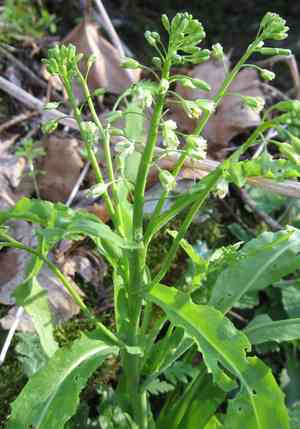
Relocate smooth rockcress during the ideal period of early to mid-summer to ensure superior root development. Select a site that offers good drainage and receives ample sunlight. Should it be required, enrich the soil with organic matter for enhanced outcomes.
What Preparations are Needed Before Relocating Smooth Rockcress?
What is the Ideal Time for Relocating Smooth Rockcress?
Moving smooth rockcress during the pleasant period of 'early to mid-summer' provides the perfect mix of sun and mild temperatures, promoting strong root development before winter.
How Much Space Should You Leave Between Smooth Rockcress Plants?
When getting ready to place smooth rockcress in your garden, imagine small, invisible circles about 12-15 inches (30-38 cm) wide for each plant. This ensures they have enough room to grow without competing for nutrients or light.
What is the Best Soil Mix for Smooth Rockcress Relocation?
A comfortable bed for smooth rockcress begins with soil that drains well, enriched with a balanced, slow-release fertilizer. The best mix would be like a nourishing meal for plants – rich but not too heavy.
Where Should You Move Your Smooth Rockcress?
Just like us, smooth rockcress enjoys a sunny spot but also appreciates some afternoon shade. Aim for a location that receives full to partial sunlight, bathing your smooth rockcress in the golden glow it loves.
What Equipment Should You Prepare Before Relocating Smooth Rockcress?
Gardening Gloves
To safeguard your hands while handling soil and plants.
Garden Trowel
For digging holes and moving young plants.
Watering Can or Hose
To hydrate the plant before and after its move.
Garden Spade or Shovel
For larger plants, to assist in digging up and moving the root ball.
Pruning Shears
To trim any damaged roots or leaves.
Wheelbarrow or Garden Cart
To easily transport larger plants and soil.
Measuring Tape
To maintain appropriate spacing between plants.
Mulch
To help retain soil moisture after relocation.
Stakes or Plant Supports
To provide support for the plant if needed.
How Do You Extract Smooth Rockcress from the Soil?
How Do You Extract Smooth Rockcress from the Soil?
From Ground: First, water the smooth rockcress to moisten the soil around its roots. Then, use a garden spade or shovel to carefully dig around and beneath the plant. Try to keep the root ball intact as you gently lift it out of the ground.From Pot: Water the smooth rockcress thoroughly. Tilt the pot sideways and gently tap it to loosen the soil's grip. Supporting the plant at its base, carefully slide the plant out, preserving the root ball's structure.From Seedling Tray: Moisten the soil to facilitate removal. Use a trowel or your fingers to gently lift the smooth rockcress seedling and its surrounding soil to avoid disturbing the delicate roots.
Step-by-Step Guide for Relocating Smooth Rockcress
Plan Relocation Timing
Select the correct season for moving smooth rockcress, ideally during cooler parts of the day like early morning or late afternoon.
Prepare New Location
Dig a hole in the new spot that is larger than the smooth rockcress's current root ball.
Root Pruning
Carefully trim any damaged or overly long roots with pruning shears; this can encourage new growth.
Placing the Plant
Position the smooth rockcress in the center of the hole. The plant's crown should be level with the surrounding soil surface.
Backfill Soil
Gently refill the hole with soil around the root ball, pressing the soil firmly into place around the plant to eliminate air pockets.
Watering
Water the smooth rockcress thoroughly after relocation to settle the soil and hydrate the roots.
Mulching
Apply a layer of mulch around the plant's base to help retain moisture and suppress weeds.
How Do You Care For Smooth Rockcress After Relocation?
Regular Watering
Ensure smooth rockcress receives consistent moisture as it establishes, reducing frequency once the plant is more settled.
Monitoring
Observe the smooth rockcress for signs of relocation shock, such as wilting or discolored leaves, and respond with appropriate care.
Adjusting Supports
Reposition stakes or supports as the smooth rockcress grows, to ensure it remains upright and secure.
Inspecting for Pests/Diseases
Watch for any indications of pest infestation or diseases that might stress the smooth rockcress during the vulnerable period after its move.
Troubleshooting Common Issues with Smooth Rockcress Relocation.
What's the best time to relocate smooth rockcress for successful growth?
Move smooth rockcress during the pleasant period of early to mid-summer for optimal results.
How far apart should I space smooth rockcress when relocating?
Provide each smooth rockcress ample room by spacing 12-15 inches (30-38 cm) apart, allowing for growth and air circulation.
Why are my relocated smooth rockcress wilting after planting?
Wilting may be due to relocation shock. Ensure gentle handling, adequate watering, and no root disturbance.
How much should I water smooth rockcress after relocating?
Give smooth rockcress a generous drink post-relocation; maintain moist soil without waterlogging to encourage establishment.
What should I do if smooth rockcress isn't thriving post-relocation?
Check for proper sunlight, watering, and if it's not crowded by weeds; consistency is crucial.
Can smooth rockcress be relocated to shady areas?
Smooth rockcress prefers sunlight. Move to areas where they receive partial to full sun exposure.
What soil conditions favor smooth rockcress after relocating?
Thriving in well-draining soil, smooth rockcress requires fertile ground free of standing water for prosperity.
Should I fertilize smooth rockcress after relocating?
Yes, a balanced, slow-release fertilizer can aid in smooth rockcress's post-relocation growth spurt.
What's the correct depth to plant smooth rockcress during relocation?
Dig a hole as deep as the root ball and twice as wide to ensure room for expansion.
How to protect relocated smooth rockcress from pests?
Regular inspections and organic repellents can deter pests from bothering your newly relocated smooth rockcress.



