How to Transplant Blepharizonia?
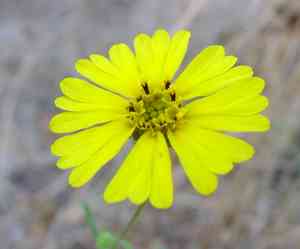
Blepharizonia thrives when relocated from the beginning to the end of spring, benefiting from optimal ground warmth and hydration. Select a bright spot featuring soil that drains effectively. Confirm that juvenile plants are sufficiently separated to prevent excessive density.
What Preparations are Necessary Before Relocating Blepharizonia?
What is the Optimal Period for Relocating Blepharizonia?
Blepharizonia, being an annual, flourishes when moved from the beginning of spring to its latter part. This timeframe guarantees ideal soil warmth for root establishment and benefits from increased daylight, fostering robust development. Relocating during this period minimizes transplant shock and aligns with the plantâs natural cycle, ensuring a successful flowering season.
How Much Distance Should You Maintain Between Blepharizonia Plants?
Ensure you position blepharizonia 12-18 inches (30-45 cm) apart from one another. This spacing provides ample room for the plants to grow and receive sufficient air circulation.
What is the Best Soil Mixture for Blepharizonia Relocation?
Prepare soil that drains well and is enriched with organic material. For an initial fertilizer, a balanced 10-10-10 (N-P-K) blend should work effectively for blepharizonia. Incorporate it into the soil prior to transplanting.
Where Should You Move Your Blepharizonia?
Select a spot that receives full sunlight. Blepharizonia thrives with at least 6-8 hours of direct sun exposure daily.
What Tools Should You Prepare Before Relocating Blepharizonia?
Gardening Gloves
To safeguard your hands while handling soil and the plant.
Shovel or Spade
For excavating planting holes and trenches.
Trowel
To assist in carefully lifting the plant and its root ball.
Watering Can
To hydrate the plant before and after relocation.
Mulch
To help maintain moisture around the plant once it has been moved.
How Do You Extract Blepharizonia from the Soil?
How Do You Extract Blepharizonia from the Soil?
From Ground: First, moisten the blepharizonia to dampen the soil. Then, dig a wide trench around the plant using a shovel or spade, ensuring the plant's root ball remains intact. Carefully work the spade beneath the root ball to lift the plant from its original spot.From Pot: Water the blepharizonia thoroughly. Invert the pot while supporting the plant's base with your hand. Gently tap the sides and bottom of the pot to release the root ball. Carefully slide the plant out, ensuring the root system stays undamaged.From Seedling Tray: Water the blepharizonia seedling tray before starting. Loosen the soil around the seedlings with a small trowel. Gently lift each seedling from underneath, taking care not to harm the delicate roots.
Step-by-Step Guide for Relocating Blepharizonia
Site Preparation
Ensure the new location has appropriate soil conditions and is free of weeds.
Digging the Hole
Excavate a hole in the new spot that is twice as wide and the same depth as the plant's root ball.
Plant Placement
Position the blepharizonia in the hole, making sure the top of the root ball is level with or slightly above the surrounding soil.
Backfilling the Hole
Fill the hole with soil, gently pressing it down to eliminate air pockets. Avoid compacting the soil too much as it can impede root growth.
Watering In
Thoroughly water the blepharizonia after planting to help settle the soil around the roots.
Applying Mulch
Apply a layer of mulch around the relocated blepharizonia, leaving a small gap around the stem to prevent rot.
How Do You Care For Blepharizonia After Relocation?
Watering
Keep the soil around the blepharizonia consistently moist, but not waterlogged, for the initial few weeks after relocating to help establish strong roots.
Monitoring
Inspect the plant daily for indications of stress, such as wilting or yellowing foliage, and provide additional care if necessary.
Pruning
Remove any damaged or dead leaves to help the plant direct its energy towards new growth.
Support
If the blepharizonia shows signs of leaning or falling over, provide support using stakes or garden ties.
Troubleshooting Common Issues with Blepharizonia Relocation.
When is the best time to relocate blepharizonia?
Relocate blepharizonia from early spring to late spring for optimal results and healthy development.
How much space should I leave between each blepharizonia plant?
Ensure 12-18 inches (30-45 cm) of spacing between each blepharizonia for proper growth.
How should I prepare the soil for blepharizonia?
Use well-draining soil with organic matter to ensure blepharizonia thrives after relocation.
What is the ideal temperature for relocating blepharizonia?
Relocate blepharizonia when temperatures are consistently above 50°F (10°C) to promote healthy growth.
How do I handle blepharizonia seedlings during relocation?
Handle blepharizonia seedlings gently to avoid damaging roots, and water immediately after planting.
What should I do if blepharizonia appears wilted after relocating?
Water blepharizonia deeply and provide some shade if necessary, allowing it to recover from transplant shock.
How can I protect blepharizonia from pests after relocating?
Monitor blepharizonia for pests and use organic pest control methods, like neem oil, if needed.
Should I fertilize blepharizonia after relocating?
Incorporate a balanced, slow-release fertilizer into the soil to support blepharizonia's growth post-relocation.
How do I ensure proper drainage for blepharizonia?
Use well-draining soil and consider raised beds if your garden has heavy clay soil.
What type of watering schedule should I follow for blepharizonia?
Water blepharizonia regularly, ensuring the soil remains consistently moist but not waterlogged.



