How to Transplant Baker's stickyseed?
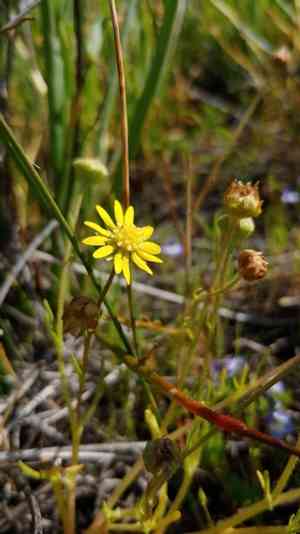
Baker's stickyseed is best relocated in the lively season of early to mid-spring, guaranteeing it gets sufficient sunlight and a site with good drainage. This schedule assists baker's stickyseed in developing strong root systems prior to the warmer periods.
What Preparations are Needed Before Transplanting Baker's Stickyseed?
What is the Ideal Time for Transplanting Baker's Stickyseed?
Baker's stickyseed, an annual plant, flourishes when moved in early to mid-spring. This timing promotes optimal root development, utilizing the damp soil and mild temperatures. Relocating during this period maximizes growth potential and prepares baker's stickyseed for robust flowering, taking advantage of the upcoming warmer months.
How Much Space Should You Leave Between Baker's Stickyseed Plants?
When you're ready to transplant baker's stickyseed, ensure each plant has approximately 12 inches (30 cm) of clearance from its neighbors. This spacing will allow them to develop freely without competing for nutrients and sunlight.
What is the Best Soil Mix for Baker's Stickyseed Transplanting?
For baker's stickyseed, consider a well-draining, loamy soil enriched with a foundational fertilizer. A balanced all-purpose fertilizer is a suitable option. Aim for a mixture that isn't overly sandy or too heavy with clay.
Where Should You Relocate Your Baker's Stickyseed?
Baker's stickyseed thrives best in a location receiving full sunlight for at least 6 hours daily. Select a spot with good air circulation to maintain plant health and vitality.
What Equipments Should You Prepare Before Transplantation Baker's Stickyseed?
Gardening Gloves
To safeguard your hands while handling soil and plants.
Shovel or Spade
For excavating holes and trenches.
Trowel
For creating smaller, precise openings.
Watering Can or Hose
To moisten the soil before and after relocation.
Wheelbarrow
To move the plant if it's large or if the new site is distant from the original.
Pruning Shears
To trim any damaged roots or foliage.
Mulch
To help retain soil moisture post-transplanting.
How Do You Remove Baker's Stickyseed from the Soil?
How Do You Remove Baker's Stickyseed from the Soil?
From Ground: First, hydrate the baker's stickyseed plant to moisten the soil. Then, dig a broad trench around the plant using a shovel or spade, ensuring the plant's root ball remains intact. Carefully work the spade beneath the root ball to lift the plant from its initial spot.From Pot: Water the plant thoroughly before extracting it from its container. Gently tap the pot's sides to loosen the soil and roots. Hold the plant by its base, tilt the pot, and carefully slide the plant out.From Seedling Tray: Water the seedlings prior to removal. Use a trowel or spoon to gently lift the seedlings, ensuring the roots stay intact. Be careful not to harm the delicate stems or leaves.
Step-by-Step Guide for Transplanting Baker's Stickyseed
Site Preparation
Ensure the new planting location is ready before extracting the plant. Dig a hole slightly larger than the root ball of the baker's stickyseed plant.
Soil Preparation
Incorporate some organic material, such as compost, into the soil at the base of the hole to supply nutrients.
Plant Removal
Carefully extract the baker's stickyseed plant from its original spot using the appropriate method based on its current state (ground, pot, or seedling tray).
Plant Placement
Position the baker's stickyseed plant into the prepared hole, ensuring the top of the root ball is level with the surrounding soil. Fill in around the root ball with soil, gently pressing down to eliminate air pockets.
Watering
After planting, thoroughly water the baker's stickyseed plant to settle the soil around the roots.
Stabilization
If necessary, use stakes to support the plant until it establishes itself in its new location.
How Do You Care For Baker's Stickyseed After Transplanting?
Watering
Keep the soil around the baker's stickyseed consistently damp, but not waterlogged, for the initial few weeks post-transplant to aid in developing strong roots.
Mulching
Apply a layer of mulch around the base of the baker's stickyseed to help retain soil moisture and regulate temperature.
Monitoring
Regularly inspect the plant for signs of distress such as wilting or yellowing leaves. Adjust care as needed to support healthy growth.
Protection
Shield the newly transplanted baker's stickyseed from harsh weather conditions, such as strong winds or heavy rain, until it has become established.
Troubleshooting Common Issues with Baker's Stickyseed Transplantation.
When is the best time to transplant baker's stickyseed?
Early to mid-spring is optimal for relocating baker's stickyseed for best growth and establishment.
How do I prepare the soil for transplanting baker's stickyseed?
Loosen the soil and mix in compost to enrich it. Ensure good drainage for superior results.
What should the spacing be for baker's stickyseed?
Space each plant 12 inches (30 cm) apart to provide ample room for development.
How deep should I plant baker's stickyseed seedlings?
Plant the seedlings at the same depth they were in their initial containers.
How should I acclimate baker's stickyseed seedlings before transplanting?
Harden off seedlings by progressively exposing them to outdoor conditions over a week.
How much water does baker's stickyseed need after transplanting?
Water thoroughly after transplanting, keeping the soil consistently moist but not saturated.
What should I do if baker's stickyseed starts wilting after transplanting?
Check for root damage and water stress. Ensure adequate watering and consider providing temporary shade.
What type of mulch is best for baker's stickyseed after transplanting?
Use organic mulch like straw or shredded leaves to retain soil moisture and reduce weeds.
Can I use fertilizer when transplanting baker's stickyseed?
A balanced, slow-release fertilizer can be used but avoid over-fertilizing which can harm roots.
What pests should I look out for after transplanting baker's stickyseed?
Watch for aphids and snails. Use organic pest control methods if you notice any infestations.



