How to Transplant Meadow bistort?
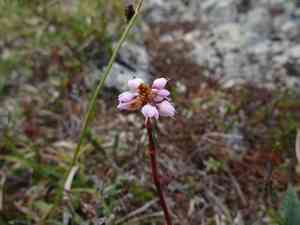
Meadow bistort flourishes when relocated between early and late spring, benefiting from ideal growing circumstances. Select a site receiving full sun or partial shade, featuring well-draining, damp earth, to guarantee robust rooting and reduced strain.
Essential Preparations Before Relocating Meadow Bistort?
Optimal Period for Relocating Meadow Bistort?
Moving meadow bistort from the beginning to the end of spring, when the ground is workable and the plant is still dormant, minimizes root disruption and promotes ideal development. Transplanting the perennial at this time allows it to establish firmly before the summer heat, encouraging stronger root growth and a greater capacity to flourish in its new setting.
Recommended Spacing Between Meadow Bistort Specimens?
Meadow bistort should be positioned 18-24 inches (45-60 cm) apart to provide ample room for each plant to expand. This spacing promotes good air circulation and lowers the likelihood of disease.
Preferred Soil Mixture for Meadow Bistort Relocation?
Prepare soil that drains well, enriched with compost or organic material to supply nutrients. Meadow bistort prefers a pH that is slightly acidic to neutral. Incorporate a balanced base fertilizer, such as a 10-10-10 (NPK) blend, before planting.
Ideal New Location for Your Meadow Bistort?
Meadow bistort flourishes in full sun to partial shade. Select a spot that receives at least 6 hours of sunlight daily. Excessive shade can impede its growth, so ensure the site gets sufficient light for healthy development.
Necessary Equipment for Meadow Bistort Relocation?
Gardening Gloves
To safeguard your hands while handling soil and the plant.
Shovel or Spade
For excavating around the plant and preparing the new planting site.
Garden Trowel
To assist with smaller digging tasks and working near delicate roots.
Watering Can or Hose
To hydrate the plant before and after its move.
Pruning Shears
To trim any damaged roots or stems during the process.
Bucket or Tub
To transport the plant from its initial spot to the new location.
Method for Extracting Meadow Bistort from the Ground?
Method for Extracting Meadow Bistort from the Ground?
From Ground: First, moisten the meadow bistort plant to dampen the soil. Next, dig a wide trench around the plant using a shovel or spade, ensuring the plant's root ball remains intact. Carefully work the spade beneath the root ball to lift the plant from its original position.From Pot: Thoroughly water the meadow bistort plant in its container. Gently tilt the pot on its side and slide the plant out, supporting the root ball with your hands to prevent damage.From Seedling Tray: Water the seedlings thoroughly. Use a garden trowel to carefully lift each seedling from the tray, keeping as much of the root system intact as possible.
Step-by-Step Instructions for Relocating Meadow Bistort
Site Preparation
Prepare the new planting area by digging a hole that is sufficiently wide and deep to accommodate the root ball of the meadow bistort plant.
Transplanting
Place the meadow bistort plant into the hole, ensuring it is positioned at the same depth as it was in its previous location. Backfill the hole with soil, gently firming it around the roots.
Watering
Thoroughly water the meadow bistort plant after planting to help settle the soil around its roots.
Mulching
Apply a layer of mulch around the base of the meadow bistort plant to help retain moisture and suppress weeds.
Post-Transplant Care for Meadow Bistort?
Watering
Keep the soil around the meadow bistort consistently moist, but not waterlogged, for the initial weeks after transplanting to aid in developing strong roots.
Monitoring
Regularly inspect the meadow bistort plant for any indications of stress, such as wilting or yellowing leaves, and adjust care as necessary.
Supporting
If the meadow bistort plant appears unstable or wobbly, provide support with stakes or a small trellis until it becomes established.
Resolving Common Issues with Meadow Bistort Relocation.
When is the optimal time to move meadow bistort?
The best period to relocate meadow bistort is from early spring to late spring.
What is the ideal spacing for meadow bistort?
Space meadow bistort plants 18-24 inches (45-60 cm) apart for optimal growth.
How deep should meadow bistort seedlings be planted?
Plant meadow bistort seedlings at the same depth they were growing originally.
How much water does meadow bistort require after transplant?
Water meadow bistort thoroughly after transplanting, ensuring the soil remains consistently moist but not waterlogged.
What action should I take if meadow bistort wilts after transplanting?
Increase watering frequency and provide partial shade until meadow bistort establishes roots.
How can I minimize transplant shock for meadow bistort?
Relocate meadow bistort on a cool, cloudy day and keep the roots moist during the process.
What kind of soil is best suited for meadow bistort?
Meadow bistort thrives in well-draining, fertile soil rich in organic matter.
Should I fertilize meadow bistort immediately after transplanting?
Wait a few weeks before fertilizing to allow meadow bistort to adjust to its new environment.
How can I safeguard transplanted meadow bistort from pests?
Use organic mulch and regularly check for pests to protect meadow bistort after transplanting.
Is it possible to transplant meadow bistort if it is blooming?
It's best to transplant meadow bistort before it blooms for better establishment and reduced stress.



