How to Transplant Nuttall's rayless goldenrod?
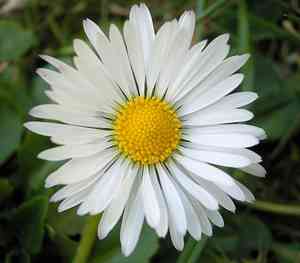
Nuttall's rayless goldenrod flourishes when transplanted between early and mid-spring, as it benefits from the prevailing mild temperatures and recently unfrozen ground. Confirm it obtains sufficient solar exposure in a site with good drainage. Supplying ideal starting circumstances reduces transplant stress, fostering robust development.
What Preparations are Needed Before Transplanting Nuttall's Rayless Goldenrod?
What is the Ideal Time for Transplanting Nuttall's Rayless Goldenrod?
Moving nuttall's rayless goldenrod during early to late spring is best because the ground is damp and temperatures are mild, aiding root establishment. This period ensures better acclimation and growth before summer's heat. Early spring minimizes transplant shock, leading to a more robust, thriving perennial.
How Much Space Should You Leave Between Nuttall's Rayless Goldenrod Plants?
When relocating nuttall's rayless goldenrod, ensure each plant is spaced 12-18 inches (30-45 cm) apart. This spacing provides ample room for individual plant development and promotes good air circulation, which helps prevent diseases.
What is the Best Soil Mix for Nuttall's Rayless Goldenrod Transplanting?
For nuttall's rayless goldenrod, it's advisable to prepare well-draining soil enriched with compost or a balanced base fertilizer. This type of soil mixture supplies essential nutrients and prevents roots from becoming waterlogged.
Where Should You Relocate Your Nuttall's Rayless Goldenrod?
Nuttall's rayless goldenrod flourishes in spots receiving full sun for most of the day. Select a garden location that gets at least 6 hours of direct sunlight to encourage strong, healthy plant growth.
What Equipments Should You Prepare Before Transplantation Nuttall's Rayless Goldenrod?
Gardening Gloves
To safeguard your hands while handling soil and plants.
Shovel or Spade
For digging around and extracting the plant from its original spot.
Trowel
Useful for excavating smaller holes or working with roots.
Watering Can or Hose
To ensure the plant and soil receive adequate hydration.
Pruning Shears
For trimming any damaged or excess roots during the relocation.
Wheelbarrow
To safely move the plant if it is large.
Mulch
To help retain moisture and inhibit weed growth after transplanting.
How Do You Remove Nuttall's Rayless Goldenrod from the Soil?
How Do You Remove Nuttall's Rayless Goldenrod from the Soil?
From Ground: First, hydrate the nuttall's rayless goldenrod plant to moisten the soil. Next, dig a wide trench around the plant using a shovel or spade, ensuring the plant's root ball remains intact. Carefully work the spade beneath the root ball to lift the plant from its initial position.From Pot: Gently water the nuttall's rayless goldenrod plant and its soil. Remove the plant by turning the pot sideways and lightly tapping the bottom and sides to loosen the root ball. Carefully slide the plant out of the pot, supporting it with your hand.From Seedling Tray: Water the seedlings to facilitate easier removal. Use a small trowel or your fingers to gently lift the seedlings by their leaves or root ball from the tray. Be mindful of the roots and try to keep them intact.
Step-by-Step Guide for Transplanting Nuttall's Rayless Goldenrod
Site Preparation
Choose a location with suitable spacing and conditions for nuttall's rayless goldenrod. Prepare a hole that is twice as wide and as deep as the plant's root ball.
Removing the Plant
If the plant is from the ground, dig around it carefully. For potted plants, gently slide them out. For seedling trays, carefully lift the seedlings holding them by their leaves or root ball.
Inspecting Roots
Examine the roots for any indications of damage or disease. Trim dead or excessively long roots using pruning shears.
Placing the Plant
Position the plant in the prepared hole, ensuring it sits at the same depth as it was in its original location. Arrange the root ball to allow roots to spread naturally.
Filling the Hole
Fill the hole with soil, gently firming it down around the root ball. Avoid compacting the soil too much.
Watering
Thoroughly water the transplanted nuttall's rayless goldenrod to settle the soil around the roots and eliminate air pockets.
Applying Mulch
Add a layer of mulch around the base of the plant to retain moisture and suppress weeds, keeping it a few inches away from the stem.
How Do You Care For Nuttall's Rayless Goldenrod After Transplanting?
Watering
Keep the soil around the nuttall's rayless goldenrod consistently moist, but not waterlogged, for the initial few weeks after transplanting to aid in strong root development.
Monitoring
Regularly check the plant for signs of transplant shock, such as wilting or yellowing leaves, and adjust care as needed.
Mulching
Maintain mulch to help retain soil moisture and regulate temperature.
Pruning
Lightly prune any damaged or dead leaves to encourage new growth.
Fertilizing
Avoid fertilizing immediately after transplanting as this can stress the plant; wait until you observe new growth before applying a balanced fertilizer.
Troubleshooting Common Issues with Nuttall's Rayless Goldenrod Transplantation.
When is the best time to transplant nuttall's rayless goldenrod?
The optimal period to transplant nuttall's rayless goldenrod is from early spring to late spring.
How much space should be between transplanted nuttall's rayless goldenrod plants?
Nuttall's rayless goldenrod plants should be spaced 12-18 inches (30-45 cm) apart for optimal growth.
What type of soil is ideal for nuttall's rayless goldenrod?
Nuttall's rayless goldenrod prefers well-drained, sandy or loamy soil for healthy development.
How deep should you plant the nuttall's rayless goldenrod roots?
Plant nuttall's rayless goldenrod roots at the same depth they were growing previously.
Should you water nuttall's rayless goldenrod immediately after transplanting?
Yes, water nuttall's rayless goldenrod immediately after transplanting to help establish the roots.
How much sunlight does nuttall's rayless goldenrod need?
Nuttall's rayless goldenrod thrives best in full sun, needing at least 6 hours of direct sunlight daily.
What should you do if nuttall's rayless goldenrod shows signs of wilting post-transplant?
Ensure adequate water and consider temporary shading to help nuttall's rayless goldenrod recover from transplant shock.
Can you fertilize nuttall's rayless goldenrod during the transplanting process?
It's best to wait a few weeks after transplanting nuttall's rayless goldenrod before fertilizing.
How can I improve soil drainage for nuttall's rayless goldenrod?
Incorporate organic matter such as compost to enhance soil drainage for nuttall's rayless goldenrod.
Why are the leaves of nuttall's rayless goldenrod turning yellow after transplanting?
Yellow leaves might indicate overwatering or nutrient deficiency; adjust accordingly for nuttall's rayless goldenrod's needs.



