How to Transplant Downy birch?
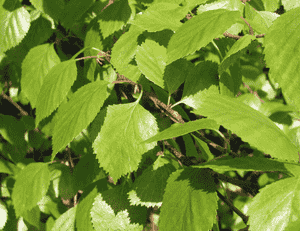
For Betula pubescens, the optimal period for relocation spans from the onset of early spring to the conclusion of late spring, or throughout its dormant phase from late autumn until mid-winter – intervals when environmental strain is lowest. Select a location featuring damp earth and filtered sunlight. It is essential to preserve the root mass's structure during the transfer.
What Preparations are Needed Before Transplanting Downy Birch?
What is the Ideal Time for Transplanting Downy Birch?
The best period for moving downy birch is during the calm onset of early to late spring or the gentle dormancy of late autumn to mid-winter. Undertaking this task at these times provides downy birch with a strong beginning or a smooth transition, as moderate temperatures and moisture levels create a supportive environment for root development without the strain of extreme weather. This careful timing ensures downy birch's robust growth, benefiting from spring's promise or winter's peaceful embrace.
How Much Space Should You Leave Between Downy Birch Plants?
When preparing a new spot for downy birch, remember they require ample room to thrive! Aim to position them 20-30 feet apart (6-9 meters) to allow each plant the space to expand both in width and height, as they naturally prefer.
What is the Best Soil Mix for Downy Birch Transplanting?
Before planting downy birch, ensure the soil is damp and drains well. An excellent mixture for downy birch is loamy soil enriched with compost. Adding a balanced, slow-release fertilizer will give it a great start!
Where Should You Relocate Your Downy Birch?
Choose a location where downy birch can receive plenty of sunlight, as they love the sun, but they also tolerate partial shade. Just ensure the selected area gets several hours of sun to keep your downy birch flourishing happily!
What Equipments Should You Prepare Before Transplantation Downy Birch?
Shovel or Spade
For digging around the plant and lifting it with minimal root disturbance.
Garden Fork
To loosen soil and remove the plant more easily if it is established in the ground.
Hand Trowel
For smaller or young plants, especially if coming from a pot or seedling tray.
Pruning Shears
To trim any damaged roots or branches before transplanting.
Watering Can or Hose
To water the plant thoroughly before and after the transplanting process.
Wheelbarrow or Garden Cart
To transport the downy birch from its original location to the new planting site.
Gardening Gloves
To protect your hands while working with the soil and plant.
Burlap or Tarp
To wrap and protect the root ball during transport, if necessary.
How Do You Remove Downy Birch from the Soil?
How Do You Remove Downy Birch from the Soil?
From Ground: First, water the downy birch plant to dampen the soil, making it easier to work with. Gently dig a trench around the plant using a shovel or spade, being cautious not to cut through too many roots. Gradually work the tool deeper under the plant to loosen the root ball, then carefully lift it from its original location.From Pot: Water the downy birch in its pot to ensure the root ball is moist. Tilt the pot and gently tap the sides to loosen the root ball. Holding the base of the plant, ease it out of the pot. If the plant does not come out easily, use a hand trowel to help dislodge the root ball from the pot.From Seedling Tray: Water the seedling tray and use a hand trowel or a similar tool to carefully lift the seedling. Ensure you keep as much of the root system and attached soil intact to minimize transplant shock.
Step-by-Step Guide for Transplanting Downy Birch
Prepare the New Site
Dig a hole in the ground that is twice as wide as the root ball of the downy birch and equally as deep. This allows for easier root spread.
Inspect the Root Ball
Examine the root ball for any signs of damage or disease and use pruning shears to remove any unhealthy roots.
Position the downy birch
Place the downy birch in the center of the hole. Make sure the top of the root ball is level with the surrounding soil surface.
Refill the Hole
Gently fill in the hole with soil, firming it around the root ball to eliminate air pockets. Ensure that the plant is stable and upright.
Water Thoroughly
Water the planted downy birch gently but generously to settle the soil and provide moisture to the roots.
Add Mulch
Apply a layer of mulch around the base of the downy birch to help retain soil moisture and regulate temperature. Keep the mulch a few inches away from the stem to prevent rot.
How Do You Care For Downy Birch After Transplanting?
Regular Watering
Ensure that the downy birch receives adequate water, especially during the first growing season after transplanting. The soil should remain moist but not waterlogged.
Mulching
Maintain a layer of mulch around the downy birch to conserve moisture and suppress weeds.
Monitor Growth
Keep an eye on the downy birch for signs of transplant shock, such as wilting or discolored leaves, and take action as necessary.
Staking
If the downy birch is tall or exposed to strong winds, consider providing support with a stake to prevent it from bending or breaking.
Seasonal Care
Prepare the downy birch for winter by avoiding late-season fertilization and ensuring it is well-watered before the first freeze.
Troubleshooting Common Issues with Downy Birch Transplantation.
When's the best time to transplant downy birch?
Optimal times are just as the growing season starts or winds down, typically early to late spring and late autumn to midwinter.
What spacing should I maintain between downy birchs?
Allow for generous room to grow by spacing them 20-30 feet (6-9 meters) apart.
How deep should downy birch's hole be for transplanting?
Dig a hole as deep as the root ball and twice as wide for the best results.
What should I do if downy birch's leaves wilt after transplanting?
Ensure ample watering to help the roots establish; don't let the soil dry out.
Can I transplant downy birch in summer?
It's not ideal due to heat stress. Stick to the cooler start and end of the growing season.
Can I prune downy birch during transplant?
Prune only dead or damaged branches to focus the plant's energy on root establishment.
Why is my downy birch not thriving after transplant?
Check for proper watering, soil conditions, and absence of root damage or diseases.
What soil type is best for transplanting downy birch?
They prefer moist, well-drained soils but are adaptable to various soil conditions.
Should I fertilize downy birch after transplanting?
Wait until the second growing season to fertilize, allowing roots to settle first.
How much should I water downy birch post-transplant?
Water regularly, keeping the soil moist but not waterlogged, to help establish roots.



