How to Transplant White screwstem?
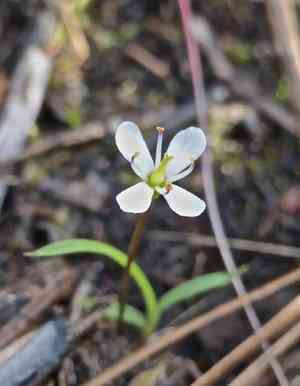
The most suitable period for relocating white screwstem is from early to mid-spring, owing to the advantageous growing environment following its dormant phase. Select a bright spot with soil that drains effectively to guarantee successful establishment. Prompt action will result in vigorous development.
What Preparations are Needed Before Transplanting White Screwstem?
What is the Ideal Time for Transplanting White Screwstem?
White screwstem should ideally be moved in early to mid-spring when ground temperatures begin to rise, promoting robust root development. Relocating during this period allows white screwstem to establish itself prior to summer heat, fostering healthier growth and reducing plant stress.
How Much Space Should You Leave Between White Screwstem Plants?
For 'white screwstem', aim to position your plants approximately 6-12 inches (15-30 cm) apart. This provides ample room for growth without overcrowding, helping them flourish.
What is the Best Soil Mix for White Screwstem Transplanting?
Prepare soil that drains well, mixed with compost. A slightly sandy or loamy soil type is optimal for 'white screwstem'. Before transplanting, incorporate a balanced, all-purpose fertilizer to ensure the plants receive necessary nutrients.
Where Should You Relocate Your White Screwstem?
Select a sunny location in your garden for moving 'white screwstem'. Ensure it gets at least 6 hours of daily sunlight. However, partial shade can also be suitable if the area experiences intense heat.
What Equipments Should You Prepare Before Transplantation White Screwstem?
Gardening Gloves
To safeguard your hands while handling soil and plants.
Shovel or Spade
For excavating the plant from its initial spot and creating a new cavity.
Hand Trowel
Useful for managing smaller plants and precise soil manipulation.
Watering Can or Hose
To hydrate the soil before and after relocation.
Plant Labels
To identify and recall the placement of your white screwstem plants after moving them.
Wheelbarrow
For transporting plants, soil, and organic matter.
Soil Knife
Beneficial for separating and managing plants with intertwined roots.
How Do You Remove White Screwstem from the Soil?
How Do You Remove White Screwstem from the Soil?
From Ground: First, moisten the white screwstem plant to soften the soil. Then, dig a wide trench around the plant using a shovel or spade, ensuring the plant's root ball remains intact. Carefully work the spade beneath the root ball to lift the plant from its original position.From Pot: Hydrate the white screwstem plant to loosen the soil. Gently compress the pot's sides to further loosen the soil. Hold the plant's base and carefully tilt the pot, allowing the plant and soil to slide out. If necessary, lightly tap the pot to aid in releasing the plant.From Seedling Tray: Water the seedlings thoroughly to make the soil easier to manage. Use a hand trowel or your fingers to carefully lift each white screwstem seedling along with its surrounding soil from the tray. Handle by the leaves to avoid damaging the delicate stems.
Step-by-Step Guide for Transplanting White Screwstem
Preparation
Ensure all necessary tools and equipment are ready before commencing the relocation process.
Site Selection and Hole Preparation
Choose an appropriate spot for the white screwstem plant, considering its light and spacing needs. Dig a hole slightly larger than the plant's root ball.
Soil Preparation
Loosen the soil in the planting area and gently mix in some compost to enrich it.
Transplanting
Carefully place the white screwstem plant in the new hole, ensuring the top of the root ball is level with the surrounding soil. Fill the hole with soil, pressing gently to eliminate air pockets.
Watering
Water the relocated white screwstem plant thoroughly to help settle the soil around the root ball.
How Do You Care For White Screwstem After Transplanting?
Watering
Keep the soil around the white screwstem consistently damp, but not waterlogged, for the initial weeks after transplanting to aid in strong root establishment.
Mulching
Apply a layer of mulch around the base of the white screwstem to retain moisture and regulate soil temperature.
Monitoring
Regularly inspect the white screwstem plant for indications of stress, such as wilting or discoloration, and address any issues promptly.
Support Structures
If needed, provide support structures like stakes or cages to help the white screwstem plant remain upright and stable as it establishes itself.
Troubleshooting Common Issues with White Screwstem Transplantation.
When is the best time to transplant white screwstem?
The optimal period to relocate white screwstem is early to mid-spring, ensuring prime growth conditions.
How far apart should I plant white screwstem?
Position white screwstem 6-12 inches (15-30 cm) apart to allow sufficient room for healthy development.
What soil conditions are best for white screwstem?
White screwstem thrives in well-drained, sandy soil with a pH level that is neutral to slightly acidic.
Should I water white screwstem immediately after transplanting?
Yes, thoroughly water white screwstem after relocating to help it settle and establish roots.
How much sunlight does white screwstem need after transplanting?
White screwstem prefers full sun to partial shade, requiring at least 4-6 hours of daily sunlight.
How do I prepare the transplant site for white screwstem?
Loosen the soil and incorporate some compost to enrich and improve drainage before planting white screwstem.
Can I transplant white screwstem in the summer?
It's advisable to avoid summer relocation as the heat can stress white screwstem. Aim for early to mid-spring.
What should I do if white screwstem wilts after transplanting?
Maintain consistent soil moisture, avoid excessive sunlight, and consider using a temporary shade cloth.
How deep should I plant white screwstem?
Plant white screwstem at the same depth it was in its original container to prevent stress.
Is it necessary to fertilize white screwstem after transplanting?
Lightly fertilize white screwstem with a balanced, slow-release fertilizer to support its initial growth phase.



