How to Transplant Bartlett daisy?
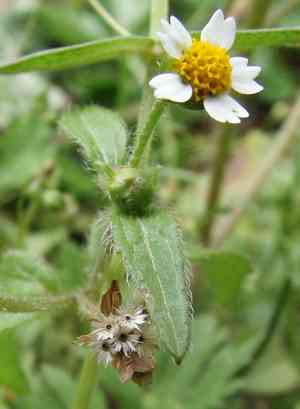
Bartlett daisy flourishes when relocated in the pleasant period from mid-spring to early summer, fostering vigorous development. Select a bright, adequately drained location with limited air currents for peak performance. Verify that the soil isn't oversaturated to avert root decay.
Necessary Preparations Before Moving Bartlett Daisy?
Optimal Period for Relocating Bartlett Daisy?
Moving bartlett daisy between mid-spring and early summer ensures peak development, as ground temperatures are warmer and sunlight is plentiful. This timing aids in establishing robust roots and flourishing throughout the season. Transplanting during this window maximizes its flowering potential and overall vitality, leading to a vibrant display.
Required Spacing Between Bartlett Daisy Plants?
When relocating bartlett daisy, position them approximately 12-18 inches (30-45 cm) apart. This provides ample room for growth and foliage expansion, minimizing competition for nutrients and water.
Best Soil Blend for Bartlett Daisy Relocation?
Prepare well-draining soil enriched with compost or a general-purpose base fertilizer. Bartlett daisy prefers a loamy soil type with good aeration. Proper soil preparation encourages healthy root development.
Optimal Location for Your Bartlett Daisy?
Select a sunny spot for moving bartlett daisy. They thrive in full sunlight, requiring at least 6-8 hours of direct sun daily for vibrant blooms and strong growth.
Equipment Needed Before Relocating Bartlett Daisy?
Gardening Gloves
To safeguard your hands while handling soil and plants.
Shovel or Spade
Utilized for digging holes and trenches.
Hand Trowel
Assists in digging small holes and lifting plants from containers or seedling trays.
Wheelbarrow
For moving soil and plants.
Watering Can or Hose
To irrigate the plant at various stages.
Plant Labels
To identify the relocated plants in their new position.
How to Extract Bartlett Daisy from the Soil?
How to Extract Bartlett Daisy from the Soil?
From Ground: First, moisten the bartlett daisy plant to dampen the soil. Then, dig a wide trench around the plant using a shovel or spade, ensuring the plant's root ball remains intact. Carefully work the spade beneath the root ball to lift the plant from its original spot.From Pot: Gently water the bartlett daisy plant a few hours prior to transplanting to facilitate removal. Tilt the pot sideways and lightly tap around the pot’s edges to loosen the soil. Carefully slide the plant out, supporting the base and roots as you do so.From Seedling Tray: Water the bartlett daisy seedlings gently to ease their extraction. Use a hand trowel to carefully lift individual seedlings, ensuring you scoop entirely under the root ball. Gently hold the leaves or stem base and lift out the seedling.
Step-by-Step Guide for Relocating Bartlett Daisy
Preparation
Prepare the new planting site by digging a hole that is twice as wide and equally deep as the bartlett daisy plant's root ball.
Soil Amendment
Loosen the soil at the bottom and sides of the hole. If necessary, incorporate compost to enrich the soil.
Placement
Position the bartlett daisy plant in the center of the hole, ensuring the top of the root ball is level with or slightly above the ground surface.
Backfilling
Gently backfill the hole with soil, pressing it down lightly around the plant's base to eliminate air pockets. Avoid compacting the soil excessively.
Watering
Thoroughly water the plant immediately after transplanting to settle the soil and hydrate the bartlett daisy.
Mulching
Apply a layer of mulch around the base of the bartlett daisy plant, but keep it a few inches away from the stem to prevent rot.
Post-Transplant Care for Bartlett Daisy
Watering
Keep the soil around the bartlett daisy consistently moist, but not waterlogged, for the initial weeks after transplanting to help establish strong roots.
Protection
Consider using a light shade cover if the weather is very hot or sun is intense, to prevent transplant shock.
Pruning
Trim any damaged or excessively long roots and remove dead or wilted foliage to encourage healthy growth.
Monitoring
Regularly inspect the relocated bartlett daisy for signs of stress, such as wilting or discoloration, and address issues promptly.
Feeding
After a few weeks, you can begin to feed the bartlett daisy with a balanced, water-soluble fertilizer to promote growth.
Addressing Common Issues with Bartlett Daisy Relocation.
When is the best time to move bartlett daisy?
The ideal time is from mid-spring to early summer for optimal growth.
How should I space bartlett daisy when relocating?
Space the plants 12-18 inches (30-45 cm) apart for best results.
What if leaves turn yellow after transplanting?
Ensure the plant is well-watered and avoid over-fertilizing to reduce transplant shock.
How deep should I plant bartlett daisy in the ground?
Plant bartlett daisy at the same depth it was in its original container.
Why are my bartlett daisy seedlings wilting after transplanting?
Wilting can be due to transplant shock; water them well and provide partial shade initially.
What type of soil is best for relocating bartlett daisy?
Use well-draining soil rich in organic matter for healthy growth.
How much water does bartlett daisy need after transplanting?
Water thoroughly after transplanting and keep the soil consistently moist but not waterlogged.
Should I fertilize bartlett daisy immediately after transplanting?
Wait a few weeks until the plant establishes before applying a balanced fertilizer.
What is the ideal temperature for relocating bartlett daisy?
Transplant when the temperature is consistently above 60°F (16°C) for best results.
Can I move bartlett daisy directly into the garden?
Yes, ensure the garden soil is prepared and meets the plant's needs for optimal growth.



