How to Transplant Early yellowrocket?
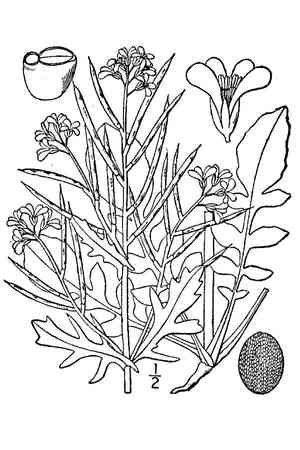
Optimal transplantation occurs as new growth emerges in spring; early yellowrocket flourishes in adequately drained soil and moderate sunlight. Provide sufficient area for root expansion to foster vigorous development. A helpful tip: relocating it enhances its potential to thrive, enriching your garden's appeal.
What Preparations are Needed Before Transplanting Early Yellowrocket?
What is the Ideal Time for Transplanting Early Yellowrocket?
The optimal period for relocating early yellowrocket occurs as winter's grip loosens. From the initial signs of growth in early spring through the peak of late spring, the soil conditions are perfect – sufficiently warm for root development yet not excessively hot to stress the plants. Moving early yellowrocket during this timeframe promotes vigorous growth, leveraging spring's vitality. Mild sunlight and adequate rainfall combine to support early yellowrocket, ensuring its firm establishment in your garden.
How Much Space Should You Leave Between Early Yellowrocket Plants?
Let's ensure your young early yellowrockets have ample room! Position each one approximately 6-8 inches (15-20 cm) apart. This provides them sufficient space to thrive and display their vibrant hues.
What is the Best Soil Mix for Early Yellowrocket Transplanting?
For your early yellowrockets to flourish, enrich the soil with a well-draining, loamy mixture. A light application of balanced, slow-release fertilizer will prepare the ground for a splendid growing season.
Where Should You Relocate Your Early Yellowrocket?
Select a sunny location for your early yellowrockets that receives at least 6 hours of direct sunlight daily. They will absorb the sun's energy and reward you with their best growth and blooms!
What Equipments Should You Prepare Before Transplantation Early Yellowrocket?
Gardening Gloves
To safeguard your hands while handling soil and plants.
Shovel or Garden Spade
To excavate around and beneath the plant or root ball.
Watering Can or Hose
To hydrate the plant before and after its relocation.
Garden Fork
To loosen the earth surrounding the plant's root system.
Transplanting Trowel
For lifting and moving smaller plants or young sprouts.
Pruning Shears
To remove any dead or damaged roots or foliage.
Wheelbarrow or Plant Dolly
For transporting larger plants or heavy root masses.
How Do You Remove Early Yellowrocket from the Soil?
How Do You Remove Early Yellowrocket from the Soil?
From Ground: Moisten the early yellowrocket to dampen the surrounding soil. Dig a wide circle around the plant with a shovel, being careful not to harm the root ball. Gently work the tool beneath the root ball to free it and lift it from the ground.From Pot: Incline the pot sideways and tap its base to dislodge the early yellowrocket. Support the plant stem with one hand and carefully extract the plant. If resistance occurs, use a transplanting trowel to assist in guiding the roots out of the pot.From Seedling Tray: Thoroughly water the seedlings. Use a transplanting trowel or a small stick to carefully lift each seedling by pushing up from the bottom of its cell. Handle the seedling by its leaves to prevent damage to the stem.
Step-by-Step Guide for Transplanting Early Yellowrocket
Preparation
Assemble all necessary tools and thoroughly water the early yellowrocket before commencing the transplant.
Root Ball Care
Carefully extract the early yellowrocket from its current spot, preserving as much of the root system as possible.
Hole Digging
Excavate a hole in the new location that is twice the width of the root ball and of equal depth, ensuring the early yellowrocket is planted at its original growing level.
Plant Placement
Position the early yellowrocket in the center of the new hole and gently spread out its roots.
Soil Replacement
Backfill the hole with the removed soil, gently firming it around the roots to eliminate any air pockets.
Initial Watering
Water the early yellowrocket deeply after planting to help settle the soil and remove additional air pockets.
How Do You Care For Early Yellowrocket After Transplanting?
Initial Care
Water the early yellowrocket to maintain consistent soil moisture and help alleviate transplant shock during the first few weeks.
Pruning
Trim any damaged roots before planting and prune back any damaged or excessive foliage growth to balance root loss and encourage new development.
Mulching
Apply a layer of mulch around the base of the early yellowrocket to help retain moisture and regulate soil temperature.
Monitoring
Observe the early yellowrocket for signs of stress, such as wilting or discolored leaves, and provide additional care as needed.
Support
If the early yellowrocket is tall or top-heavy, provide stakes or other supports to ensure it remains upright and stable as its roots establish.
Troubleshooting Common Issues with Early Yellowrocket Transplantation.
What's the best time of year to transplant early yellowrocket?
The ideal period for relocating early yellowrocket is during the transition from early to late spring, ensuring cooler temperatures and mild weather.
How far apart should I space early yellowrocket when transplanting?
For optimal development, space early yellowrocket approximately 6-8 inches (15-20 cm) apart. This provides ample room for growth.
Is it okay to transplant early yellowrocket on a sunny day?
Transplant early yellowrocket on an overcast day or in the late afternoon to prevent immediate sun exposure and minimize transplant shock.
What soil type is best for transplanting early yellowrocket?
Well-draining, fertile soil with a good amount of organic matter is most suitable for early yellowrocket, aiding in healthy root establishment.
How much should I water early yellowrocket after transplanting?
Water early yellowrocket generously after transplanting to settle the soil around the roots and reduce stress from the move.
Why are my transplanted early yellowrocket wilting?
Wilting after transplanting often indicates root shock. Ensure proper watering and initially avoid direct sunlight to aid recovery.
Can I fertilize early yellowrocket immediately after transplanting?
Wait several weeks before fertilizing early yellowrocket to allow them to establish. Then, apply a balanced, slow-release fertilizer for nourishment.
What depth should early yellowrocket be planted in their new location?
Transplant early yellowrocket at the same depth it was previously growing to avoid burying the stem too deeply or exposing roots.
How do I prepare the new site for transplanting early yellowrocket?
Loosen the soil at the new site and enrich it with compost to ensure early yellowrocket have the best environment to flourish in.
When can I expect early yellowrocket to recover from transplant shock?
Typically, early yellowrocket should begin to rebound within one to two weeks, showing signs of new growth as they adapt.



