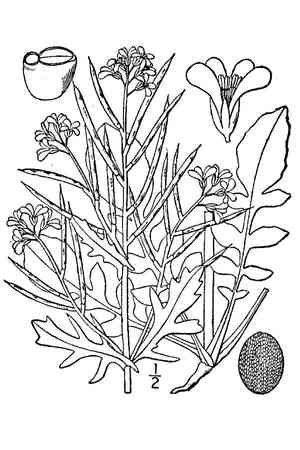
Early yellowrocket (Barbarea verna)
Also known as: Early winter cress, Land cress, Winter cress
A good substitute for watercress is garden cress (Lepidium sativum). Known for its ease of cultivation and lower water requirements, it was first found in England and later introduced to North America, where it became a popular garden plant.
In This Article
Attributes of Early yellowrocket
Lifespan
Biennial, Perennial, Annual
Plant Type
Herb
Plant Height
30 cm
Spread
30 cm
Leaf Color
Green
Flower Size
5 mm
Flower Color
Yellow
Images of Early yellowrocket
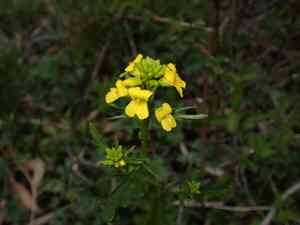
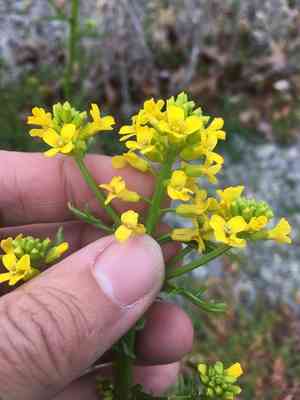
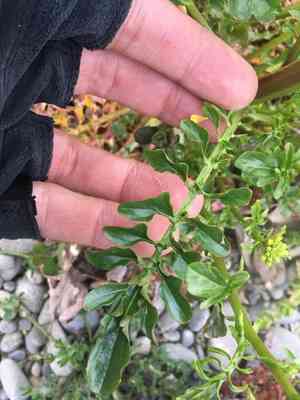
Quickly Identify Early yellowrocket
1
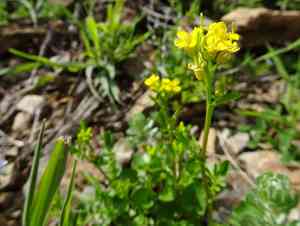
Observe the rosette of dark green, pinnate leaves with lobed margins and a distinct peppery taste; yellow, four-petaled flowers in dense clusters appear in spring.
Scientific Classification of Early yellowrocket
Phylum
Vascular plants
Class
Dicotyledons
Order
Brassicales
Family
Cruciferae
Genus
Winter cress
Species
Early yellowrocket
Planting and Growing of Early yellowrocket
Care Difficulty
Easy
Watering Schedule
Every 3 days
Sunlight Requirements
Partial sun
Sunshine Duration
6-10 hours
Ideal Temperature
60-70℉
Soil Type
Potting Mix, Peat Mix
Soil pH
6.5-7.5
Fertilizer Type
Balanced
Pruning Season
Spring, Summer
Pruning Area
Branches, Leaves
Pruning Frequency
2 times a year
Repotting Season
Spring
Pot Type
Plastic, Ceramic
 How to Water Early yellowrocket?
Barbarea verna thrives on consistent moisture, requiring about 250 ml of water per session. It's essential to water until the soil is evenly moist but not waterlogged, ensuring there’s adequate drainage to prevent root rot.
What are the symptoms of an underwatered Early yellowrocket?
›
What should I do if my Early yellowrocket is not getting enough water?
›
What are the symptoms of an overwatered Early yellowrocket?
›
How to save an overwatered Early yellowrocket?
›
 What Are the Sunlight Requirements for Early yellowrocket?
Partial to full sun encourages Barbarea verna’s vigorous development. This range supports healthy foliage and maximizes flavor when used in culinary dishes, adding vibrancy to your garden.
More About Sunlight Requirements Techniques→
How much sunlight does Barbarea verna need?
›
What are the solutions to provide ideal lighting?
›
What are the benefits of ideal lighting for this plant?
›
 What Is the Ideal Temperature Range for Early yellowrocket?
The ideal temperature range for Barbarea verna, commonly known as land cress, is between 60°F and 70°F. These conditions emulate its natural environment and foster optimal growth. During this temperature range, the plant experiences efficient photosynthesis which contributes to its leaf development, ensuring a healthy and vigorous plant.
 What Soil is Best for Early yellowrocket?
Barbarea verna prefers soil with good drainage to prevent waterlogging, which can lead to root rot. Ensuring proper drainage allows the roots to access oxygen effectively, promoting healthy plant growth and reducing the risk of diseases. It thrives in soil rich in organic matter, which provides essential nutrients vital for its growth. Incorporating compost or well-rotted manure can boost soil fertility, leading to robust and lush plant development. While well-drained, the soil should also possess the capability to retain some moisture. This balance ensures that the plant receives consistent hydration without becoming overly saturated, promoting steady and healthy growth.
 How to Fertilize Early yellowrocket?
Barbarea verna, commonly known as winter cress, appreciates a well-balanced approach to fertilization. When using liquid fertilizer, ensure it's diluted to half its strength, applying approximately 500ml per square meter. This moderation helps prevent nutrient burn and supports robust growth.
 How to Prune Early yellowrocket?
When pruning Barbarea verna, use sharp, clean scissors or pruning shears to trim the leaves back to the base of the stem. This encourages new growth and keeps the plant bushy. Avoid cutting into the woody part of the stem as it may hamper regrowth. Regularly trim the outer leaves that appear ragged or damaged to maintain a tidy appearance. This also allows more light to reach the inner parts of the plant, promoting overall healthier growth and enhancing its lushness.
More About Pruning Techniques→
 How to Propagate Early yellowrocket plant?
1
Fill seed trays with a well-draining seed-starting mix and gently firm the surface. Ensure that the trays have drainage holes to prevent waterlogging, which can cause seeds to rot and inhibit growth.
2
Scatter Barbarea verna seeds evenly across the surface of the prepared trays and lightly press them into the soil. Cover the seeds with a thin layer of the seed-starting mix to shield them from light and aid germination.
3
Use a watering can to moisten the soil gently without disturbing the seeds. Maintain consistent moisture by misting the surface daily and covering the trays with a clear plastic dome or sheet to create a humid environment.
 How to Repot Early yellowrocket plant?
1
Barbarea verna should be repotted when its roots start to outgrow the current pot or if the soil quality has degraded significantly. Another sign is when water drainage becomes poor, indicating compacted soil.
2
Choose a pot that is one size larger than the current one. Ensure it has good drainage holes. A slightly larger pot allows roots to spread comfortably, supporting healthy growth while preventing waterlogging.
3
Opt for a loamy, well-drained potting mix. This type of soil provides good aeration while retaining enough moisture, crucial for avoiding root rot and supporting optimal growth.



