How to Transplant Russian pigweed?
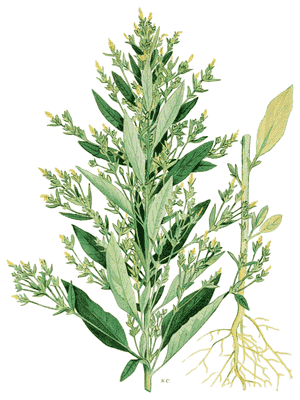
The most favorable period for relocating russian pigweed is during the peak of spring, when temperatures are consistent and rainfall is moderate – generally from the middle to the end of spring. Select a bright spot with soil that drains effectively to provide russian pigweed with an excellent fresh beginning.
What Preparations are Needed Before Transplanting Russian Pigweed?
What is the Ideal Time for Transplanting Russian Pigweed?
The optimal period for relocating russian pigweed is during the peak of spring. At this time, the mild temperatures and increasing daylight hours offer an ideal boost for russian pigweed's development. Moving russian pigweed in this season allows roots to establish prior to summer's intense heat. Transplanting in mid-spring encourages vigorous growth, enabling russian pigweed to flourish and mature with the seasonal rhythm.
How Much Space Should You Leave Between Russian Pigweed Plants?
To provide your russian pigweed with the best start, position them approximately 6-8 inches (15-20 cm) apart. This ensures each plant has ample room to grow and thrive without competing for nutrients.
What is the Best Soil Mix for Russian Pigweed Transplanting?
For your russian pigweed, combine well-draining garden soil with a balanced foundational fertilizer. A mixture of loam or sandy soil enriched with compost works exceptionally well for this annual plant!
Where Should You Relocate Your Russian Pigweed?
Select a sunny location for your russian pigweed as they enjoy basking in full sunlight. A spot that receives at least 6-8 hours of direct sun daily would be perfect for these sun-loving plants!
What Equipments Should You Prepare Before Transplantation Russian Pigweed?
Gardening Gloves
To safeguard your hands while handling soil and plants.
Shovel or Garden Spade
For excavating the plant and preparing the new planting site.
Trowel
To assist with more precise adjustments of soil around the plant's root ball.
Watering Can or Hose
To hydrate the plant both before and after its relocation.
Wheelbarrow or Plant Caddy
For moving the plant from one spot to another without causing damage.
Pruning Shears
For trimming any damaged roots or foliage prior to transplanting.
Root Pruning Scissors (optional)
For a gentler method of root trimming if necessary.
Garden Fork
To aerate and loosen the soil in the root area before transplanting.
How Do You Remove Russian Pigweed from the Soil?
How Do You Remove Russian Pigweed from the Soil?
From Ground: First, moisten the russian pigweed plant to soften the soil, making excavation easier. Then, use a shovel or spade to carefully dig a wide circle around the plant, ensuring to preserve as much of the root ball as possible. Once the soil is sufficiently loosened, gently slide the spade beneath the root ball and carefully lift the plant from the ground.From Pot: Begin by watering the russian pigweed to dampen its soil. Next, place your hand at the plant's base, turn the pot sideways or upside-down, and gently ease the plant out. Support the root ball as the plant emerges to prevent breakage.From Seedling Tray: Water the seedlings to ensure the soil is moist and not compacted. Use a trowel or your fingers to carefully loosen the soil around the seedling's base. Gently lift the seedling by its leaves, not its delicate stem, and carefully separate the root ball with as much soil attached as possible.
Step-by-Step Guide for Transplanting Russian Pigweed
Preparing the New Hole
Dig a hole in the ground that is twice the width of your russian pigweed's root ball and of equal depth. Loosen the soil at the bottom and sides of the hole to allow roots to easily penetrate.
Root Ball Inspection
Examine the root ball of your russian pigweed for any circling or matted roots and gently untangle them. If any roots are damaged or excessively long, carefully trim them with pruning shears or root pruning scissors.
Placing the Plant
Carefully lower the russian pigweed into the prepared hole. Ensure the top of the root ball is level with the surrounding soil surface to avoid burying the stem too deeply or leaving roots exposed.
Soil Refilling
Backfill the space around the root ball with the excavated soil, gently firming it down without over-compacting, to eliminate air pockets.
Watering In
Thoroughly water the russian pigweed immediately after transplanting to settle the soil around the roots and help reduce transplant shock.
Stabilizing
If the russian pigweed appears unstable in its new location, use support stakes to help maintain its upright position.
Mulching
Apply a layer of organic mulch around the base of the russian pigweed (keeping it away from the stem) to help retain moisture and suppress weeds.
How Do You Care For Russian Pigweed After Transplanting?
WatETING Consistency
Maintain a regular watering schedule for your russian pigweed, keeping the soil moist but not waterlogged to encourage root establishment.
Observation
Regularly inspect your russian pigweed for signs of stress, such as wilting or discolored leaves, and adjust care as needed.
Weed Management
Keep the area around your russian pigweed clear of weeds that can compete for nutrients and water.
Stake Adjustment
Review and adjust any support stakes as the russian pigweed grows to ensure they don't restrict growth or harm the plant.
Pruning
Lightly trim any dead or damaged foliage to help your russian pigweed direct its energy towards healthy growth.
Troubleshooting Common Issues with Russian Pigweed Transplantation.
When is the best time to transplant russian pigweed seedlings?
The optimal period for relocating russian pigweed seedlings is from mid to late spring, ensuring mild weather for root establishment.
How far apart should I space russian pigweed when transplanting?
Allow 6-8 inches (15-20 cm) between plants. This provides ample room for growth and air circulation.
Why are my russian pigweed seedlings wilting after transplant?
Wilting may be due to shock. Minimize this by keeping roots moist, providing shade, and avoiding transplanting during the hottest part of the day.
What soil conditions favor russian pigweed after transplanting?
Well-draining soil rich in organic matter supports russian pigweed. Test drainage and amend soil with compost if necessary.
How do I choose the right location for transplanting russian pigweed?
Select a sunny spot as russian pigweed thrives in full sun. Consider wind protection and good air flow to prevent diseases.
How much should I water russian pigweed after transplanting?
Water generously immediately after transplanting to settle the soil. Then aim for 1 inch (2.5 cm) per week, adjusting for rainfall and soil type.
What should I do if leaves of russian pigweed turn yellow post-transplant?
Yellowing often indicates overwatering or poor drainage. Assess the moisture level and improve drainage, or reduce watering frequency.
How can I prevent transplant shock in russian pigweed?
Gradually acclimate seedlings to outdoor conditions, transplant in cool weather, water immediately, and consider using a starter fertilizer.
Should I use fertilizer when transplanting russian pigweed?
Yes, starter fertilizer can benefit russian pigweed. Opt for a balanced, slow-release type to promote healthy rooting.
What to do if russian pigweed plants are leggy after transplant?
Leggy plants need more sunlight. Ensure they're not shaded by other plants and gently stake if necessary for support.



