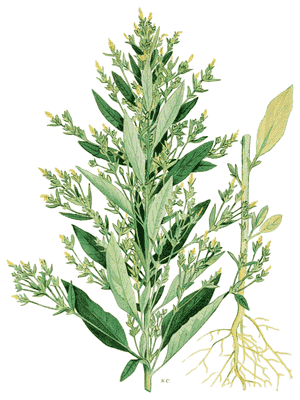
Russian pigweed (Axyris amaranthoides)
Also known as: Russian pigweed, sea orach
Russian pigweed (Axyris amaranthoides) has become an invasive species in North America with the potential to severely impact crops by dominating soil space. Its seeds can contaminate cereal crop harvests, leading to significant agricultural losses. The plant's deep taproot makes it resistant to mechanical removal methods like tilling, complicating eradication efforts. Its persistence and adaptability make it a formidable challenge for land management.
In This Article
Attributes of Russian pigweed
Lifespan
Annual
Plant Type
Herb
Plant Height
20 cm to 80 cm
Spread
Not applicable
Leaf Color
Green
Flower Size
Less than 1 cm
Flower Color
Yellow Green Brown
Images of Russian pigweed
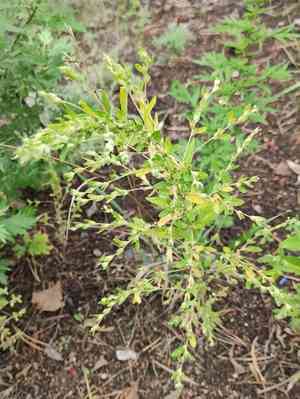
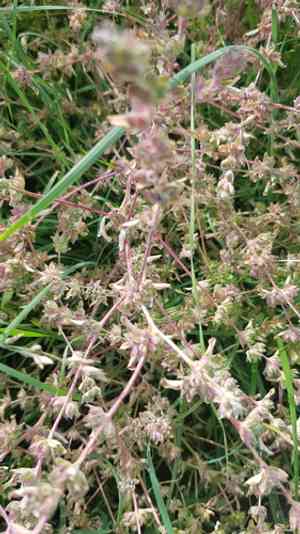
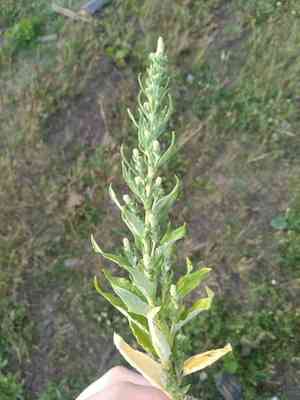
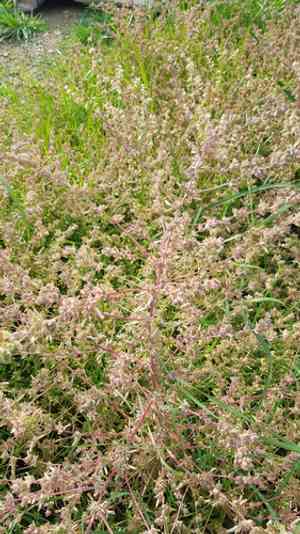
Quickly Identify Russian pigweed
1
Axyris amaranthoides can be identified by its slender, erect stem which can grow up to 1 meter tall. The leaves are lance-shaped and can have serrated edges. The small greenish flowers are arranged in dense, terminal spikes. The stems and leaves are often covered in fine, sticky hairs.
Scientific Classification of Russian pigweed
Phylum
Vascular plants
Class
Dicotyledons
Order
Caryophyllales
Family
Amaranth
Genus
Russian pigweeds
Species
Russian pigweed
Planting and Growing of Russian pigweed
Care Difficulty
Easy
Watering Schedule
Every 3 days
Sunlight Requirements
Full sun
Sunshine Duration
4-8 hours
Ideal Temperature
60-75℉
Soil Type
Potting Mix, Peat Mix
Soil pH
6.5-7.5
Fertilizer Type
Balanced
Pruning Season
Spring, Summer
Pruning Area
Branches, Leaves
Pruning Frequency
2 times a year
Repotting Season
Spring
Pot Type
Plastic, Terracotta
 How to Water Russian pigweed?
For Axyris amaranthoides, the watering amount should generally aim to moisten the soil but not make it excessively wet. This type of plant usually thrives when the soil is allowed to dry out slightly between waterings. Typically, around 300 milliliters per watering session is sufficient to reach the root level without drowning the plant. Ensure the water is evenly distributed across the soil surface for best absorption.
What are the symptoms of an underwatered Russian pigweed?
›
What should I do if my Russian pigweed is not getting enough water?
›
What are the symptoms of an overwatered Russian pigweed?
›
How to save an overwatered Russian pigweed?
›
 What Are the Sunlight Requirements for Russian pigweed?
Axyris amaranthoides prefers partial to full sunlight, thriving with 4 to 6 hours of sunlight daily. The right amount of sunlight boosts its photosynthetic efficiency and ensures vigorous and healthy growth, enhancing its ornamental value.
What is the optimal light for Axyris amaranthoides?
›
How can this plant achieve ideal light conditions?
›
What are the benefits of ideal lighting for this plant?
›
 What Is the Ideal Temperature Range for Russian pigweed?
The ideal temperature range for growing Axyris amaranthoides is between 60°F to 75°F. In this range, the plant can efficiently carry out photosynthesis, leading to optimal growth and development. Temperature within this range ensures that the biological processes occur at their best potential without stress, promoting healthier foliage and potentially better flowering if applicable.
 What Soil is Best for Russian pigweed?
Axyris amaranthoides thrives best in well-drained soil, which prevents waterlogged conditions that can lead to root rot. This drainage ensures that roots breathe and absorb nutrients efficiently. This plant requires a soil type with a moderate to high level of organic matter. Such soil provides essential nutrients, fostering healthy growth and vibrant foliage. A slightly acidic to neutral pH (6.5 to 7.5) is optimal for Axyris amaranthoides, as it facilitates the best nutrient uptake, ensuring robust and healthy plant development.
 How to Fertilize Russian pigweed?
Axyris amaranthoides prefers a balanced fertilizer with equal parts of nitrogen, phosphorus, and potassium. Use a 10-10-10 formula for liquid fertilizer, applying approximately 50-100 ml per square foot of planting area each application.
 How to Prune Russian pigweed?
Start by identifying any dead or damaged leaves or stems. Use sharp pruning shears to cut these back to the base, ensuring cuts are clean. Trim any overlapping or crowded stems to allow better air circulation. Finally, prune unruly growth to maintain the desired shape of the plant. It's ideal to prune in the morning or late afternoon when the temperatures are cooler. Avoid pruning during the hottest part of the day to prevent stress on the plant. Regularly assess the plant's growth and adjust your pruning schedule as needed.
More About Pruning Techniques→
 How to Propagate Russian pigweed plant?
1
Choose a seed tray with good drainage and fill it with a suitable potting mix. The mix should be evenly moistened before sowing to ensure even germination. Level the surface of the seed mix to provide a stable base for seed sowing.
2
Scatter the seeds thinly over the surface of the moistened compost. Gently press them into the soil, but do not cover them completely, as some light aids in germination. Ensure the seeds are distributed evenly to avoid overcrowding.
3
Place the seed tray in a well-lit area with indirect sunlight. Maintain a consistent temperature around 18-22°C (64-72°F). Cover the tray with a plastic lid or wrap to retain moisture, reducing the need for frequent watering.
 How to Repot Russian pigweed plant?
1
Axyris amaranthoides should be repotted when its roots start to outgrow the current pot, or if you notice reduced growth and signs of nutrient deficiency despite regular care. Spring is typically the best time to repot, as it coincides with the plant entering its active growth period, giving it the chance to settle into its new environment effectively.
2
Choose a pot that is about 2 inches larger in diameter than the current one. This gives enough space for root growth without overwhelming the plant with excessive soil, which can retain too much moisture. Ensure the pot has good drainage holes to prevent waterlogging.
3
Opt for well-draining sandy soil to prevent water pooling around the roots, which can lead to root rot. This type of soil supports healthy root development and stability. Adding organic matter can enhance soil fertility, helping the plant to thrive.



