How to Transplant Wheelscale saltbush?
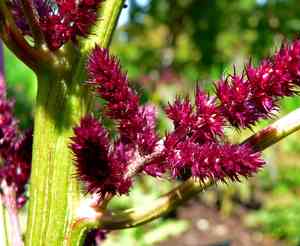
Wheelscale saltbush flourishes when relocated from the beginning to the end of spring, benefiting from suitable temperatures. Select a bright, adequately drained spot for its best development. Confirm the plant is thoroughly watered prior to its transfer to minimize transplant stress.
Essential Preparations Before Moving Wheelscale Saltbush
Optimal Timing for Relocating Wheelscale Saltbush
Wheelscale saltbush, an Annual/Perennial plant, flourishes when moved between early and late spring. This timeframe ensures ideal soil warmth and moisture, promoting strong root establishment and development. Transplanting then allows wheelscale saltbush to settle effectively before the more severe summer conditions, increasing its survival rate and leading to a healthier, more robust plant.
Recommended Spacing Between Wheelscale Saltbush Plants
Position each wheelscale saltbush plant approximately 6-12 inches (15-30 cm) apart. This spacing prevents overcrowding, ensuring every plant has ample room to flourish.
Best Soil Mixture for Wheelscale Saltbush Relocation
Utilize soil that drains effectively, preferably sandy or loamy. Incorporate a foundational fertilizer rich in phosphorus and potassium to encourage robust root growth.
Selecting a New Location for Your Wheelscale Saltbush
Choose a sunny spot for relocating wheelscale saltbush. They thrive in full sun, meaning they require a minimum of 6 hours of direct sunlight daily.
Tools Required Before Transplanting Wheelscale Saltbush
Gardening Gloves
To safeguard your hands while handling soil and the plant.
Shovel or Spade
For excavating around the plant's root ball.
Trowel
To aid in digging small holes for the transplanting process.
Watering Can or Hose
For hydrating the plant both before and after its relocation.
Pruning Shears
To trim any damaged roots or foliage.
Wheelbarrow
To transport the plant if necessary.
Method for Extracting Wheelscale Saltbush from its Current Location
Method for Extracting Wheelscale Saltbush from its Current Location
From Ground: First, hydrate the wheelscale saltbush plant to moisten the soil. Next, dig a wide trench around the plant using a shovel or spade, ensuring the plant's root ball remains intact. Carefully maneuver the spade beneath the root ball to lift the plant from its original spot.From Pot: Water the wheelscale saltbush plant thoroughly before removal. Gently tilt the pot sideways and tap or squeeze its sides to loosen the soil. Carefully extract the plant by supporting its base and root ball.From Seedling Tray: Water the wheelscale saltbush seedlings well prior to removal. Use a trowel or a small spoon to carefully lift each seedling, making sure to retain as much soil around the roots as possible.
Step-by-Step Instructions for Relocating Wheelscale Saltbush
Prepare the New Site
Ensure the new planting location is ready before extracting the plant from its initial spot. Dig a hole that is twice the width of the root ball and equally deep.
Hydrate the Hole
Fill the hole with water and allow it to drain. This guarantees the soil is sufficiently moist for the wheelscale saltbush.
Position the Plant
Gently place the wheelscale saltbush into the hole. Confirm that the top of the root ball is level with, or slightly above, the surrounding soil.
Backfill with Soil
Carefully fill the hole with soil around the root ball. Firmly press the soil down to eliminate any air pockets, but avoid excessive compaction.
Water Thoroughly
Following planting, water the wheelscale saltbush extensively to help settle the soil and establish good root-to-soil contact.
Post-Transplant Care for Wheelscale Saltbush
Watering
Keep the soil around the wheelscale saltbush consistently moist, but not waterlogged, for the initial weeks after transplanting to aid in developing strong roots.
Mulching
Apply a layer of mulch around the base of the wheelscale saltbush to conserve moisture and regulate soil temperature.
Monitoring
Regularly inspect the plant for indications of stress, such as wilting or yellowing leaves, and adjust care as necessary.
Protection
Consider temporary shading or wind protection if transplanting during hot, sunny, or windy conditions.
Addressing Common Issues During Wheelscale Saltbush Transplantation.
What is the optimal period to transplant wheelscale saltbush?
The best time to transplant wheelscale saltbush is from early to late spring for prime growth.
What distance should I maintain between each wheelscale saltbush?
Space each wheelscale saltbush plant 6-12 inches (15-30 cm) apart for proper development.
Which soil type is ideal for wheelscale saltbush?
Wheelscale saltbush thrives in well-draining soil with a pH that is neutral to slightly alkaline.
How should I prepare the soil for wheelscale saltbush?
Loosen the soil to a depth of 10-12 inches (25-30 cm) and incorporate compost.
What are the watering needs after relocating wheelscale saltbush?
Water wheelscale saltbush thoroughly after transplanting and keep the soil consistently moist until established.
How can I prevent transplant shock in wheelscale saltbush?
Transplant during the cooler part of the day and water immediately to minimize shock.
Should I fertilize wheelscale saltbush after transplanting?
Apply a balanced, slow-release fertilizer once wheelscale saltbush shows new growth to support its health.
What depth should I plant wheelscale saltbush?
Plant each wheelscale saltbush at the same depth it was growing in its original container.
What action should I take if the leaves of wheelscale saltbush turn yellow?
Ensure proper drainage and avoid overwatering; yellow leaves often signal water stress.
How much sunlight does wheelscale saltbush require?
Wheelscale saltbush prefers full sun to partial shade, needing at least 6 hours of sunlight daily.



