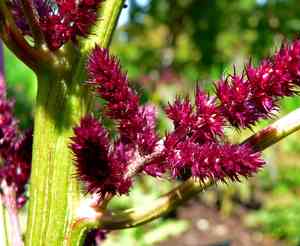
Wheelscale saltbush (Atriplex elegans)
Also known as: Wheelscale
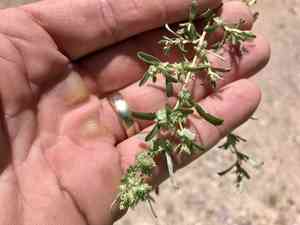
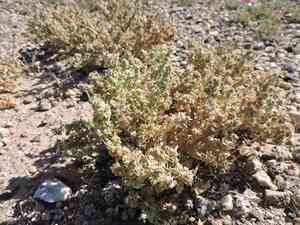
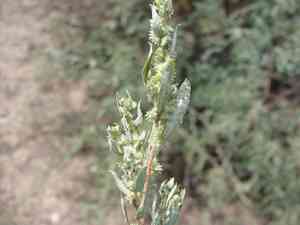
This annual herb features a scaly, branching stem that grows somewhat upright, reaching heights of 10 to 50 centimeters. Its crusty, whitish leaves are narrowly oval, occasionally toothed at the edges, and measure less than 3 centimeters in length. It produces inflorescences with distinct male and female flowers, grouped in small, hard clusters.
In This Article
Attributes of Wheelscale saltbush
Lifespan
Annual, Perennial
Plant Type
Herb
Plant Height
10-50 cm
Spread
Not particularly noted for having a distinct crown.
Leaf Color
Grayish-green
Flower Size
Small, typically less than 1 cm
Flower Color
Greenish
Images of Wheelscale saltbush
Quickly Identify Wheelscale saltbush
1
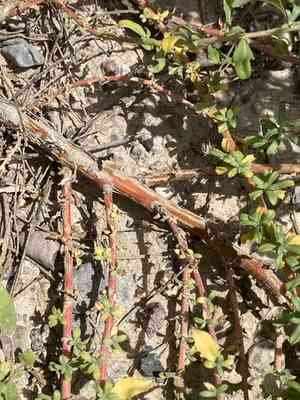
The plant can be identified by its small, grayish-green leaves covered with tiny scales and its erect growth habit. The flowers are inconspicuous, typically green, and form in clusters.
Scientific Classification of Wheelscale saltbush
Phylum
Vascular plants
Class
Dicotyledons
Order
Caryophyllales
Family
Amaranth
Genus
Saltbush
Species
Wheelscale saltbush
Planting and Growing of Wheelscale saltbush
Care Difficulty
Easy
Watering Schedule
Every 2 days
Sunlight Requirements
Full sun
Sunshine Duration
4-8 hours
Ideal Temperature
60-75℉
Soil Type
Potting Mix, Peat Mix
Soil pH
6.5-8
Fertilizer Type
Balanced
Pruning Season
Spring, Summer
Pruning Area
Branches, Leaves
Pruning Frequency
2 times a year
Repotting Season
Spring
Pot Type
Plastic, Terracotta
 How to Water Wheelscale saltbush?
Atriplex elegans should be watered with about 500 milliliters of water per session. It thrives in areas with low to moderate moisture, and it is essential to ensure the soil is sufficiently moist but never waterlogged. The water should penetrate the soil completely without leaving pools on the surface.
What are the symptoms of an underwatered Wheelscale saltbush?
›
What should I do if my Wheelscale saltbush is not getting enough water?
›
What are the symptoms of an overwatered Wheelscale saltbush?
›
How to save an overwatered Wheelscale saltbush?
›
 What Are the Sunlight Requirements for Wheelscale saltbush?
Atriplex elegans prefers full sun but can tolerate partial sun, around 4 to 6 hours of sunlight daily. Providing ideal lighting conditions helps optimize photosynthesis, ensuring healthy and robust growth with vibrant foliage.
What are the ideal lighting conditions for Atriplex elegans?
›
How can I ensure optimal lighting for Atriplex elegans?
›
What are the benefits of providing ideal lighting conditions?
›
 What Is the Ideal Temperature Range for Wheelscale saltbush?
For Atriplex elegans, the ideal temperature range is between 60 and 75 degrees Fahrenheit. This range helps facilitate optimal growth and metabolic function by providing a stable and conducive environment that mimics the plant's natural habitat. When temperatures are stable within this range, the plant can efficiently undergo photosynthesis, nutrient uptake, and other essential processes.
 What Soil is Best for Wheelscale saltbush?
Atriplex elegans prefers well-drained soil to prevent waterlogging, which can lead to root rot. Ensuring good drainage mimics its natural habitat and promotes healthy root development. This plant thrives even in nutrient-poor soils, reflecting its adaptability. Low nutrition lowers competition with more demanding plants and is ideal for desert or semi-arid landscapes. It can endure moderate salinity, making it suitable for coastal areas or less fertile soils. This feature helps in landscaping projects aimed at soil restoration in saline environments.
 How to Fertilize Wheelscale saltbush?
For Atriplex elegans, it is crucial to use a balanced amount of fertilizer to maintain optimal growth and health. Apply 1-2 tablespoons of liquid fertilizer per gallon of water during the growing season. This plant benefits from consistent care, ensuring that you don't overdo it, which could be detrimental.
 How to Prune Wheelscale saltbush?
Begin by selecting sharp, clean pruning shears to avoid damaging the plant. Having the right tools makes the task more efficient and reduces the risk of infections from dirty equipment. Carefully inspect the plant and identify dead, diseased, or overgrown branches. Removing these parts promotes better air flow and directs energy to healthier parts of the plant, ensuring it flourishes. Cut branches at a 45-degree angle just above a node or bud. This technique encourages water runoff and faster healing. Precision here prevents water from pooling and potential rot issues.
More About Pruning Techniques→
 How to Propagate Wheelscale saltbush plant?
1
Gather seeds from mature Atriplex elegans plants when they are dry and ready to fall. Ensure seeds are free of mold or damage for the best chances of germination.
2
Select healthy stems from a mature plant, and cut them at a 45-degree angle. Each cutting should be about 4-6 inches long and taken just below a node.
3
Place seeds in the seed tray and cover lightly with soil. Water the seeds gently, keeping the soil moist but not soaked. For cuttings, insert them halfway into the soil, ensuring the nodes are covered, and water lightly.
 How to Repot Wheelscale saltbush plant?
1
Atriplex elegans signals its need for repotting when roots protrude from drainage holes or growth appears stunted. It's best to repot during spring or summer when the plant is in its active growing phase, allowing it to adjust to the new pot promptly. This timing ensures that the plant can take full advantage of the warmer months to establish itself in the fresh soil.
2
Select a pot just one size larger than the current one, which promotes healthy root growth without the risk of overwatering. A pot with ample drainage is essential to prevent waterlogging and root rot. The material can be terracotta, which helps in moisture regulation, or plastic, if a lighter option is needed. The right pot encourages healthy development and helps regulate the plant's moisture needs.
3
Opt for a well-draining sandy soil mix, which mimics the plant's native environment and reduces the risk of root rot. Adding perlite or small stones enhances drainage. This soil type ensures that excess water can escape easily, preventing waterlogged conditions that could be detrimental to the plant's health.
Learn More About Wheelscale saltbush Diseases
Anthracnose
Bacterial Leaf Spot
Bacterial Soft Rot
Bacterial Wilt
Chemical Injury
Crown Gall
Cyst Nematode
Damping-off
Downy Mildew
Drought Stress
Fusarium Wilt
Gray Mold
Leaf Spot
Mosaic
Nutrient Deficiency
Nutrient Toxicity
Powdery Mildew
Root Rot
Root-knot Nematode
Rusts
Sooty Mold
Spider Mites
Temperature Stress
Thrips Damage
White Mold



