How to Transplant Santa barbara milkvetch?
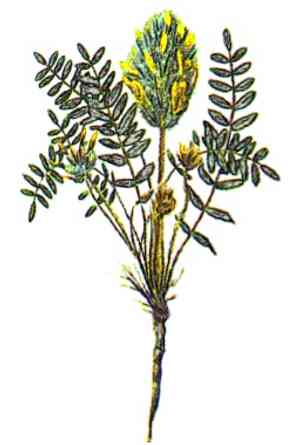
To achieve optimal outcomes, relocate santa barbara milkvetch as spring transitions into summer, providing ideal cultivation circumstances. Select a brightly lit location featuring soil that drains effectively, and guarantee careful handling to preserve the root system's soundness.
What Preparations are Needed Before Transplanting Santa Barbara Milkvetch?
What is the Ideal Time for Transplanting Santa Barbara Milkvetch?
The best time to relocate santa barbara milkvetch is at the start of vigorous growth, usually after the last frost but before the peak of summer. This period allows roots to settle in with the season's energy. Moving santa barbara milkvetch during this window takes advantage of mild temperatures and increasing daylight, fostering strong root development and reducing stress. A helpful hint: transplant when santa barbara milkvetch can enjoy the gentle warmth and steady growth prospects of late spring days!
How Much Space Should You Leave Between Santa Barbara Milkvetch Plants?
When rehousing santa barbara milkvetch, position them 18-24 inches (45-60 cm) apart. This provides ample room for expansion and adequate air circulation, which is crucial for their health.
What is the Best Soil Mix for Santa Barbara Milkvetch Transplanting?
Prepare a suitable bed for santa barbara milkvetch with soil that drains well; incorporating organic material can improve drainage and nutrient content. A mild starter fertilizer will give santa barbara milkvetch the necessary boost to thrive in its new spot.
Where Should You Relocate Your Santa Barbara Milkvetch?
Choose a sunny location for santa barbara milkvetch that receives at least 6 hours of direct sunlight daily. They enjoy sunbathing but appreciate some shade during the hottest part of the day, making a spot with filtered afternoon light perfect.
What Equipments Should You Prepare Before Transplantation Santa Barbara Milkvetch?
Gardening Gloves
To safeguard your hands while handling soil and the plant.
Shovel or Spade
For digging and carefully lifting the plant.
Watering Can or Hose
To hydrate the plant before and after the relocation process.
Wheelbarrow or Garden Cart
To move the plant securely to its new position.
Pruning Shears
For trimming any damaged roots or foliage.
Measuring Tape
To determine the correct depth and width for the new planting hole.
How Do You Remove Santa Barbara Milkvetch from the Soil?
How Do You Remove Santa Barbara Milkvetch from the Soil?
From Ground: First, water the santa barbara milkvetch plant to moisten the soil. Next, dig a wide trench around the plant using a shovel or spade, ensuring the plant's root ball remains intact. Carefully work the spade beneath the root ball to lift the plant from its original spot.From Pot: Water the santa barbara milkvetch in its container to facilitate the removal of the root ball. Gently tilt the pot sideways and support the plant by its base, then tap and squeeze the pot's sides to loosen it. Slowly and carefully ease the plant out, avoiding pulling to protect the roots.From Seedling Tray: Dampen the soil in the seedling tray. Use a dibbler or a small stick to gently pry the santa barbara milkvetch seedlings out. Support the seedlings by their leaves rather than their delicate stems to minimize the risk of damage.
Step-by-Step Guide for Transplanting Santa Barbara Milkvetch
Prepare the New Site
Prepare the new planting location by digging a hole that is twice as wide as the root ball and equally deep. This will provide ample room for the roots to spread.
Inspect & Trim Roots
Carefully examine the santa barbara milkvetch's root ball. Trim away any damaged or broken roots with pruning shears to encourage healthy growth.
Position the Plant
Place the santa barbara milkvetch in the center of the hole. The top of the root ball should be level with the ground to allow for proper establishment.
Backfill the Hole
Gently refill the hole with soil, tamping down lightly as you go to eliminate air pockets. Ensure the plant is stable and upright.
Water Thoroughly
After planting, water the santa barbara milkvetch generously to settle the soil around the roots and to provide essential hydration for recovery from transplant shock.
Stabilize If Necessary
If the santa barbara milkvetch is tall or unstable, consider staking it. Tie the plant to the stakes loosely to prevent stem damage, allowing for some movement.
How Do You Care For Santa Barbara Milkvetch After Transplanting?
Regular Watering
Maintain a consistent watering schedule to keep the soil around the santa barbara milkvetch adequately moist, allowing the plant to establish its root system in the new location.
Mulching
Apply a layer of organic mulch around the base of the santa barbara milkvetch to help retain soil moisture and regulate temperature, being careful not to pile it up against the stem.
Monitoring for Pests & Diseases
Keep a close watch on your santa barbara milkvetch for any indications of pests or diseases. Early detection and treatment can prevent spread and ensure the health of your plant.
Gentle Pruning
Prune any foliage that may have been damaged during transplanting to focus the santa barbara milkvetch's energy on root development and new, healthy growth.
Troubleshooting Common Issues with Santa Barbara Milkvetch Transplantation.
What's the best time to transplant santa barbara milkvetch for healthy growth?
Choose late spring through early summer, a period of moderate temperatures and mild weather conditions.
How far apart should I space my santa barbara milkvetch plants?
Allow a generous spacing of 18-24 inches (45-60 cm) to give each plant ample room to flourish.
Why is my santa barbara milkvetch wilting after transplanting?
Wilting can indicate shock. Ensure sufficient watering and avoid direct sun for a few days post-transplant.
How deep should the hole be when transplanting santa barbara milkvetch?
Dig a hole that's twice as wide and just as deep as the root ball.
Is it necessary to amend soil when transplanting santa barbara milkvetch?
Yes, enriching the soil with organic matter helps santa barbara milkvetch establish more effectively.
What should I do if santa barbara milkvetch isn't flourishing post transplant?
Check for proper soil conditions, water consistently, and verify no pests or diseases are present.
Can I use a starter fertilizer when transplanting santa barbara milkvetch?
Yes, a balanced, slow-release fertilizer can encourage rooting and growth in the initial stages.
Should I prune my santa barbara milkvetch when transplanting?
Light pruning is beneficial; it balances root loss and encourages new growth.
Why is my santa barbara milkvetch showing signs of transplant shock?
Transplant shock can occur due to root disturbance. Minimize handling and maintain consistent soil moisture.
How often should I water santa barbara milkvetch after transplanting?
Keep the soil moist but not soggy, typically watering once per week if there's no rain.



