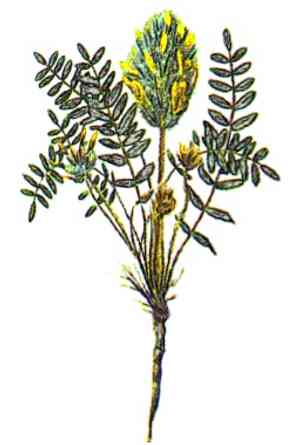
Santa barbara milkvetch (Astragalus trichopodus)
Also known as: Southern california milkvetch, Ocean locoweed
Astragalus trichopodus, commonly known as Santa Barbara milkvetch, is a leguminous perennial native to the southwestern coast of the U.S., particularly in southern California. Blooming from spring to summer, this plant serves as a crucial host for the larval stages of both the silvery blue butterfly and the western tailed blue butterfly.
In This Article
Attributes of Santa barbara milkvetch
Lifespan
Perennial
Plant Type
Herb
Plant Height
20 cm to 1 m
Spread
30 cm to 1.5 m
Leaf Color
Green
Flower Size
2.5 cm
Flower Color
White Yellow Green
Images of Santa barbara milkvetch
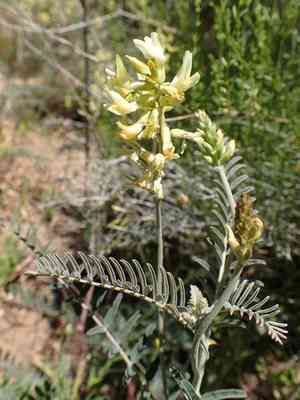
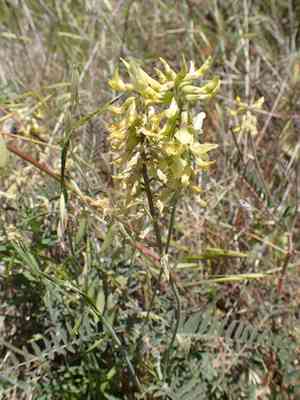
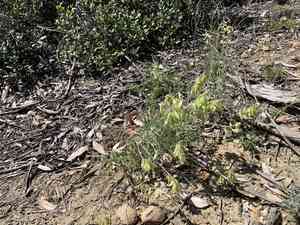
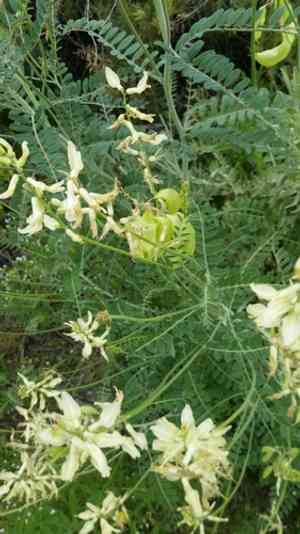
Quickly Identify Santa barbara milkvetch
1
Astragalus trichopodus can be identified by its pinnately compound leaves, pubescent stems, and the distinctive shape of its pods, which are typically narrow and elongated with three chambers. The flowers are cream-colored to pale yellow and form in clusters.
Scientific Classification of Santa barbara milkvetch
Phylum
Vascular plants
Class
Dicotyledons
Order
Fabales
Family
Legume
Genus
Milkvetch
Species
Santa barbara milkvetch
Planting and Growing of Santa barbara milkvetch
Care Difficulty
Easy
Watering Schedule
Every 2 days
Sunlight Requirements
Full sun
Sunshine Duration
4-8 hours
Ideal Temperature
60-75℉
Soil Type
Potting Mix, Peat Mix
Soil pH
6.5-7.5
Fertilizer Type
Balanced
Pruning Season
Spring, Summer
Pruning Area
Branches, Leaves
Pruning Frequency
2 times a year
Repotting Season
Spring
Pot Type
Plastic, Ceramic
 How to Water Santa barbara milkvetch?
Astragalus trichopodus requires watering until the soil is moist but not waterlogged. A thorough watering of about 500 ml ensures hydration without drowning the roots. Ensure water reaches the deeper soil layers, promoting a consistent moisture level to support root health.
What are the symptoms of an underwatered Santa barbara milkvetch?
›
What should I do if my Santa barbara milkvetch is not getting enough water?
›
What are the symptoms of an overwatered Santa barbara milkvetch?
›
How to save an overwatered Santa barbara milkvetch?
›
 What Are the Sunlight Requirements for Santa barbara milkvetch?
Astragalus trichopodus thrives best under full sun to partial sun conditions. Ideal light ensures vibrant growth, healthy leaf production, and a robust flowering cycle that increases ecological benefits like pollinator attraction.
More About Sunlight Requirements Techniques→
How much sun does Astragalus trichopodus need?
›
What are the solutions to provide ideal light?
›
What are the benefits of optimal lighting?
›
 What Is the Ideal Temperature Range for Santa barbara milkvetch?
The ideal temperature range for growing Astragalus trichopodus is between 60°F and 75°F. This range allows the plant to maintain optimal growth rates by providing a stable environment that supports photosynthesis and other physiological processes. Keeping temperatures within this range helps prevent stress responses that might otherwise slow growth or reduce yield.
 What Soil is Best for Santa barbara milkvetch?
Astragalus trichopodus thrives in nutrient-rich soil, providing it with essential minerals to support robust growth. This ensures the plant's roots have access to the necessary nutrients for survival, leading to a healthier and more vibrant plant. A well-draining soil is crucial for Astragalus trichopodus to prevent root rot and waterlogging. Adequate drainage helps maintain appropriate moisture levels, allowing roots to breathe and access oxygen, which is vital for optimal growth. The soil should maintain adequate moisture without becoming saturated. This balance ensures that Astragalus trichopodus receives consistent hydration, supporting its cellular functions, while minimizing the risks of fungal infections.
 How to Fertilize Santa barbara milkvetch?
For Astragalus trichopodus, a balanced approach to fertilization is essential. Use a 10-10-10 NPK liquid fertilizer diluted to half strength for every application. For slow-release granular fertilizers, 4 grams per square foot should suffice annually, ensuring the plant receives nutrients consistently without overfeeding.
 How to Prune Santa barbara milkvetch?
Start by identifying and removing dead or diseased branches. Dead wood is usually darker and brittle, snapping easily compared to healthy branches. Shape the plant by cutting back overly long stems. Aim to maintain a natural form, fostering good air circulation and light penetration. Make cuts at a 45-degree angle just above a leaf node or bud, which encourages new growth and heals more quickly, reducing pest and disease issues. Remove branches that cross or grow inward to avoid rubbing and competition for light, which can harbor pests and reduce overall plant vigor.
More About Pruning Techniques→
 How to Propagate Santa barbara milkvetch plant?
1
Ensure that you select healthy seeds or cuttings without signs of disease or pest damage. Healthy starting material is critical to the success of propagation, as it directly influences germination or rooting rates.
2
Use a well-draining soil mix to fill seed trays or pots. Adequate drainage is key to avoid waterlogging, which could lead to root rot or fungal diseases affecting the young plants.
3
Provide indirect sunlight and maintain temperature suitable for germination or rooting. These conditions are crucial as they mimic the plant's natural habitat, thereby enhancing growth and establishing strong seedlings or cuttings.
 How to Repot Santa barbara milkvetch plant?
1
Astragalus trichopodus should be repotted when you notice that its roots are reporting signs of being root-bound, such as roots growing out of the drainage holes or the plant's growth becoming stunted. The ideal time to repot is during its active growing period, which generally occurs in spring or summer.
2
Select a pot that is one size larger than the current one; make sure it has adequate drainage holes. A clay or terracotta pot is ideal as these materials allow better airflow and minimize the risk of waterlogged soil, mimicking the plant's natural conditions.
3
Opt for well-draining sandy soil. This type of soil helps to prevent root rot and provides a stable yet breathable structure for the roots to spread, ensuring that the plant receives optimal hydration and aeration.
Toxicity
Ingestion
WARNING
The judgment on toxicity and danger is for reference only. We DO NOT GUARANTEE any accuracy of such judgment. Therefore, you SHALL NOT rely on such judgment. It is IMPORTANT TO SEEK PROFESSIONAL ADVICE in advance when necessary.
Learn More About Santa barbara milkvetch Diseases
Anthracnose
Bacterial Leaf Spot
Bacterial Wilt
Crown Gall
Cyst Nematode
Damping-off
Downy Mildew
Drought Stress
Fusarium Wilt
Gray Mold
Leaf Curl
Leaf Spot
Mosaic
Nutrient Deficiency
Nutrient Toxicity
Powdery Mildew
Root Rot
Root-knot Nematode
Rusts
Sooty Mold
Spider Mites
Temperature Stress
Thrips Damage
White Mold



