How to Transplant Small-flowered milk vetch?
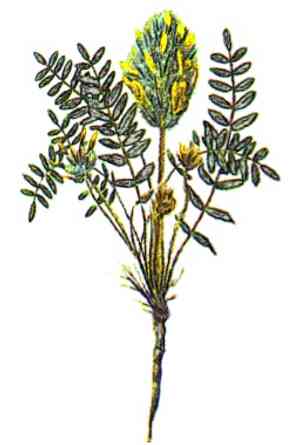
The ideal period to transplant small-flowered milk vetch is from mid-spring through its concluding weeks, as temperatures begin to rise. Select a location that receives ample sunlight to partial shade, and ensure the soil drains effectively to support small-flowered milk vetch's growth.
Preparations Required Before Relocating Small-flowered Milk Vetch
Optimal Timing for Transplanting Small-flowered Milk Vetch
The best time to move your small-flowered milk vetch is during the spring, as temperatures gradually rise. Transplanting small-flowered milk vetch in this season promotes strong root development and adaptation, benefiting from mild weather and longer daylight hours for peak growth. Additionally, spring rains provide moist soil, fostering new root growth for small-flowered milk vetch and preparing it for summer vitality.
Recommended Spacing Between Small-flowered Milk Vetch Plants
Position your small-flowered milk vetch transplants approximately 18-24 inches (45-60 cm) apart. This spacing provides ample room for each plant to develop and thrive without competition.
Ideal Soil Blend for Small-flowered Milk Vetch Transplanting
Prepare a well-draining soil, rich in organic material, for your small-flowered milk vetch. A foundational fertilizer with a balanced N-P-K ratio, such as 10-10-10, applied as directed, will give your transplants a robust beginning.
Selecting a New Location for Your Small-flowered Milk Vetch
Choose a sunny spot for your small-flowered milk vetch, as they flourish in full sun. Ensure they receive at least 6 to 8 hours of direct sunlight daily for optimal health and development.
Equipment Needed Before Transplanting Small-flowered Milk Vetch
Gardening Gloves
To safeguard your hands while handling soil and plants.
Spade or Shovel
For excavating the plant from its original spot without harming its root system.
Watering Can or Hose
To hydrate the plant before removal and after replanting.
Pruning Shears
To trim any dead or damaged roots and stems prior to transplanting.
Garden Trowel
For digging the new planting hole and adjusting soil around the plant's roots.
Wheelbarrow or Plant Dolly
To move the plant from one place to another without causing damage.
Mulch
To help maintain soil moisture and regulate soil temperature after transplant.
How to Extract Small-flowered Milk Vetch from the Soil
How to Extract Small-flowered Milk Vetch from the Soil
From Ground: Water the small-flowered milk vetch thoroughly to soften the earth. Carefully dig a wide trench around the plant, being cautious not to cut into the roots. Gently slide the spade beneath the root ball and carefully lift the plant from the ground.From Pot: Start by watering the small-flowered milk vetch to facilitate its removal. Tilt the pot sideways and gently tap to loosen the plant. Slowly pull the plant by its base, supporting the root ball, until it slides out.From Seedling Tray: Water the cell or section where the small-flowered milk vetch is growing. Use a spoon or a dibber to carefully lift the seedling and soil, aiming to keep the soil and roots intact.
Step-by-Step Guide for Transplanting Small-flowered Milk Vetch
Preparation
Water the small-flowered milk vetch thoroughly before beginning the transplant process to ensure root hydration. Also, prepare the new site by clearing weeds and loosening the soil.
Removal
Follow the specific instructions based on the plant's current location, whether it's in the ground, a container, or a seedling tray.
Hole Digging
At the new location, dig a hole that is twice the width of the small-flowered milk vetch's root ball and equally deep. This allows the roots to spread out easily.
Planting
Position the small-flowered milk vetch in the center of the new hole. Adjust the root ball so its top is level with the soil surface. Backfill the hole with soil, gently tamping it down to eliminate air pockets.
Watering
Once the small-flowered milk vetch is in place, water it generously to settle the soil and hydrate the roots. This also helps remove any remaining air pockets.
Mulching
Apply mulch around the base of the small-flowered milk vetch, keeping it a few inches away from the stems. This will help retain moisture and suppress weed growth.
Post-Transplant Care for Small-flowered Milk Vetch
Monitoring
Regularly check the small-flowered milk vetch to ensure it is adapting well to its new environment. Look for signs of stress, such as wilting or discolored leaves.
Watering
Ensure the small-flowered milk vetch receives adequate water, especially during the initial weeks. The soil should remain moist but not waterlogged to encourage root development.
Support
If the small-flowered milk vetch is a taller variety or prone to wind damage, consider using stakes or plant supports during its initial growth phase.
Pruning
Remove any dead or damaged stems and leaves to direct the small-flowered milk vetch's energy towards root establishment.
Observation
Watch for pests or diseases. Early detection and intervention can prevent more serious issues later on.
Resolving Common Issues with Small-flowered Milk Vetch Transplantation
When is the best time to transplant small-flowered milk vetch?
The ideal period for transplanting small-flowered milk vetch is from mid-spring to late spring once the soil has warmed.
How much space is required between small-flowered milk vetch plants?
Aim for a distance of about 18-24 inches (45-60 cm) between each small-flowered milk vetch to ensure sufficient room for growth.
Why are the leaves of my transplanted small-flowered milk vetch wilting?
Wilting after transplanting can be caused by root shock. Handle gently during the process and provide sufficient water.
What depth should I plant small-flowered milk vetch when transplanting?
Transplant small-flowered milk vetch at the same depth it was growing in its previous container or in the ground.
Is it advisable to transplant small-flowered milk vetch on a hot, sunny day?
Opt for a cloudy day or late afternoon to minimize transplant shock from heat and sun exposure.
What actions should I take if small-flowered milk vetch does not thrive after transplant?
Verify it's not over or under-watered, check sunlight exposure, and confirm the soil is well-drained and fertile.
How do I prepare the soil for transplanting small-flowered milk vetch?
Cultivate the soil until it is loose and enriched with compost or organic matter for healthy root development.
How frequently should I water small-flowered milk vetch after transplanting?
Water thoroughly immediately after transplanting, then maintain consistently moist soil, especially during dry periods.
Is it necessary to trim small-flowered milk vetch before transplanting?
Trimming is not essential, but you can gently remove any damaged or excessively long roots.
When should I begin fertilizing transplanted small-flowered milk vetch?
Wait until small-flowered milk vetch shows signs of new growth before starting a light fertilization regimen to encourage establishment.



