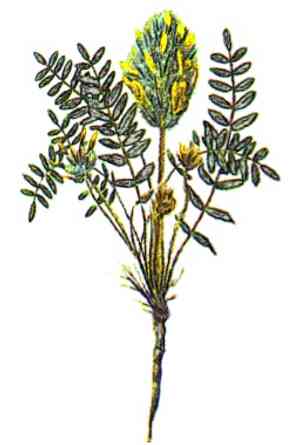
Small-flowered milk vetch (Astragalus sesameus)
Also known as: N/A
Desert marigold (Baileya multiradiata) is a low-growing plant adapted to arid climates, often found on rocky slopes or roadsides. This plant is known for its bright yellow flowers that bloom in late winter and early spring.
In This Article
Attributes of Small-flowered milk vetch
Lifespan
Perennial
Plant Type
Herb
Plant Height
30-60 cm
Spread
20-30 cm
Leaf Color
Green to Grayish
Flower Size
0.5-1 cm
Flower Color
Purple
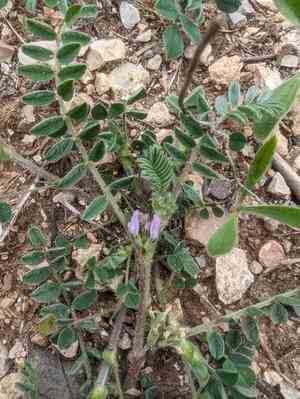
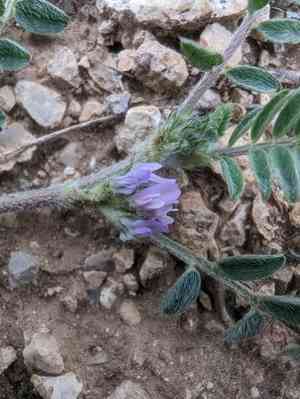
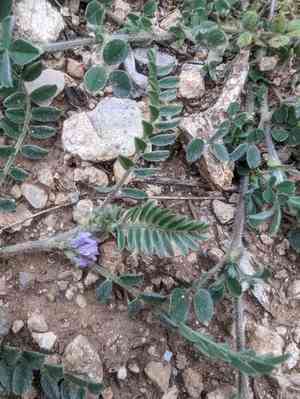
Images of Small-flowered milk vetch
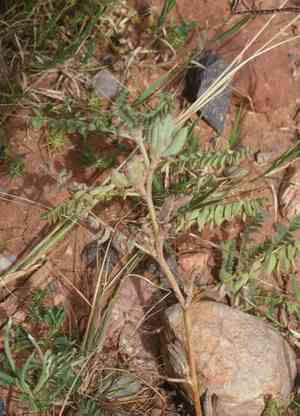
Quickly Identify Small-flowered milk vetch
1
Astragalus sesameus can be recognized by its green to grayish pinnate leaves, small flowers ranging from white to purple, and typically inflated seed pods.
Scientific Classification of Small-flowered milk vetch
Phylum
Vascular plants
Class
Dicotyledons
Order
Fabales
Family
Legume
Genus
Milkvetch
Species
Small-flowered milk vetch
Planting and Growing of Small-flowered milk vetch
Care Difficulty
Easy
Watering Schedule
Every 3 days
Sunlight Requirements
Partial sun
Sunshine Duration
4-6 hours
Ideal Temperature
65-75℉
Soil Type
Potting Mix, Peat Mix
Soil pH
6.5-7.5
Fertilizer Type
Balanced
Pruning Season
Spring, Summer
Pruning Area
Branches, Leaves
Pruning Frequency
2 times a year
Repotting Season
Spring
Pot Type
Plastic, Ceramic
 How to Water Small-flowered milk vetch?
Astragalus sesameus benefits from moderate watering; you should aim to provide approximately 150 milliliters of water per session. This amount ensures that the soil is thoroughly moistened without becoming waterlogged. Always feel the top inch of soil to ascertain dryness before the next watering.
What are the symptoms of an underwatered Small-flowered milk vetch?
›
What should I do if my Small-flowered milk vetch is not getting enough water?
›
What are the symptoms of an overwatered Small-flowered milk vetch?
›
How to save an overwatered Small-flowered milk vetch?
›
 What Are the Sunlight Requirements for Small-flowered milk vetch?
Astragalus sesameus performs best in full to partial sun. This balance ensures sufficient energy for photosynthesis while protecting from excessive heat, promoting growth and resilience.
What is the best light for Astragalus sesameus?
›
How can you ensure it receives ideal light?
›
What are the benefits of ideal light conditions?
›
 What Is the Ideal Temperature Range for Small-flowered milk vetch?
The ideal temperature range for Astragalus sesameus cultivation is typically between 65°F to 75°F. This range provides optimal conditions for growth and metabolism, ensuring the plant thrives and reaches its full potential. Within this range, Astragalus sesameus can conduct photosynthesis efficiently, and its physiological processes are not stressed by temperature extremes.
 What Soil is Best for Small-flowered milk vetch?
Astragalus sesameus thrives best in well-drained soil, which prevents waterlogging that can lead to root rot. Well-drained soil ensures that the roots receive adequate oxygen while also reducing the risk of disease and fungus, crucial for the healthy growth of the plant. This plant prefers soil with moderate fertility. While rich soil can promote excessive vegetative growth, moderate fertility supports balanced development, leading to healthier plants with better resilience to pests and diseases. Good soil aeration is a requirement as it facilitates proper root expansion and nutrient uptake. Aeration prevents soil compaction, which is vital for maintaining healthy roots, improving plant vitality, and increasing productivity.
 How to Fertilize Small-flowered milk vetch?
For Astragalus sesameus, the fertilizer amount should be moderate, as over-fertilizing can lead to poor plant health. Use a balanced liquid fertilizer diluted to half strength, applying about 1-2 tablespoons per gallon of water. For slow-release granular fertilizers, apply according to the manufacturer’s instructions, usually around 1-3 teaspoons per plant, ensuring not to touch the stem directly.
 How to Prune Small-flowered milk vetch?
Begin by evaluating the overall structure of Astragalus sesameus. Identify any dead, diseased, or weak stems, and plan your cuts strategically to improve air circulation and light penetration to the inner parts of the plant. Use sharp pruners to make precise cuts just above a node or lateral bud. This encourages new growth in a desired direction, leading to a fuller and bushier appearance over time. Avoid tearing or crushing stems to reduce the risk of infection.
More About Pruning Techniques→
 How to Propagate Small-flowered milk vetch plant?
1
Soak seeds in warm water for 24 hours to enhance germination. Use a well-draining seed starting mix in trays, and cover seeds lightly with soil. Ensure consistent moisture and place in a warm, sunny location.
2
Select a healthy, disease-free stem that is at least 4 inches long. Use sharp pruning shears to cut just below a node. Remove lower leaves to expose nodes and dip the cut end in rooting hormone.
3
Dig up mature plants in early spring. Carefully separate roots into smaller clumps, ensuring each has roots and shoots. Replant immediately at the same depth they were grown, and water well.
 How to Repot Small-flowered milk vetch plant?
1
Astragalus sesameus signals its need for repotting when new growth appears stunted or the soil retains too much moisture, indicating root congestion. Aim to repot during Spring or Autumn for optimal plant recovery and growth.
2
Opt for a pot that's slightly larger than the existing one to allow root expansion. Ensure it has adequate drainage holes to prevent waterlogging, thus safeguarding the plant from root rot and promoting healthy growth.
3
Choose a well-draining sandy soil mix. This type of soil provides excellent aeration, allowing roots to breathe and reducing the risk of over-watering issues, thereby supporting the plant's overall health and vitality.
Learn More About Small-flowered milk vetch Diseases
Anthracnose
Bacterial Leaf Spot
Bacterial Wilt
Crown Gall
Cyst Nematode
Damping-off
Downy Mildew
Drought Stress
Fusarium Wilt
Gray Mold
Leaf Spot
Mosaic
Nutrient Deficiency
Nutrient Toxicity
Powdery Mildew
Root Rot
Root-knot Nematode
Rusts
Sooty Mold
Spider Mites
Temperature Stress
Thrips Damage
White Mold



