How to Transplant Bolander's milkvetch?
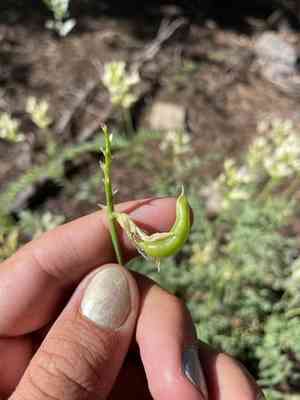
Bolander's milkvetch flourishes when relocated between early and late summer, benefiting from elevated soil and atmospheric temperatures that encourage root development. Select a bright, adequately drained site for peak performance. Guarantee negligible root disruption to facilitate its smooth acclimation.
What Preparations are Needed Before Transplanting Bolander's Milkvetch?
What is the Ideal Time for Transplanting Bolander's Milkvetch?
The best time to move bolander's milkvetch is from early to late summer. This period allows the plant to establish roots in warm soil and benefit from consistent moisture. Transplanting then boosts survival rates and encourages strong growth, ensuring the perennial flourishes in its new spot.
How Much Space Should You Leave Between Bolander's Milkvetch Plants?
Ensure bolander's milkvetch are spaced 12-18 inches (30-45 cm) apart. This spacing allows each plant to grow without competing for resources, reducing disease risk and promoting healthy development.
What is the Best Soil Mix for Bolander's Milkvetch Transplanting?
Prepare well-draining soil for bolander's milkvetch. Incorporate compost or aged manure to enrich the soil. Aim for slightly sandy soil to prevent waterlogging, which can harm the plant.
Where Should You Relocate Your Bolander's Milkvetch?
Choose a sunny location for bolander's milkvetch. Select an area that receives at least 6-8 hours of direct sunlight daily. This light exposure is vital for the plantâs growth and blooming.
What Equipments Should You Prepare Before Transplantation Bolander's Milkvetch?
Gardening Gloves
To safeguard your hands while handling soil and plants.
Hand Trowel
For digging small holes and extracting plants from containers or trays.
Shovel or Spade
To excavate a wide trench around the plant if removing it from the ground.
Watering Can or Hose
To hydrate the plant before and after relocation.
Pruning Shears
To trim any damaged roots or foliage.
Compost or Organic Mulch
To enhance soil quality and maintain moisture.
How Do You Remove Bolander's Milkvetch from the Soil?
How Do You Remove Bolander's Milkvetch from the Soil?
From Ground: First, water the bolander's milkvetch plant to moisten the soil. Then, dig a wide trench around the plant using a shovel or spade, ensuring the plant's root ball remains intact. Carefully work the spade under the root ball to lift the plant from its original location.From Pot: Begin by lightly watering the bolander's milkvetch plant to loosen the soil. Gently tap the sides of the pot to help the plant come loose. Carefully slide the plant out, supporting the root ball with your hands.From Seedling Tray: Water the seedlings thoroughly before removing them. Gently push the bottom of the cell tray to ease the bolander's milkvetch plant out without damaging the roots. Support the root ball with your hands.
Step-by-Step Guide for Transplanting Bolander's Milkvetch
Digging the Hole
Dig a hole in the new spot that is twice as wide and the same depth as the bolander's milkvetch's root ball to allow roots to spread easily.
Preparing the Plant
Inspect the root ball for any damaged or circling roots and trim them gently with pruning shears. This encourages healthy new growth.
Plant Placement
Place the bolander's milkvetch plant in the center of the hole, ensuring the top of the root ball is level with the ground surface. Adjust the soil beneath if needed.
Backfilling the Hole
Fill the hole with soil, pressing it down gently to remove air pockets. Ensure the plant remains upright and the root collar is at ground level.
Watering Thoroughly
Immediately water the bolander's milkvetch plant deeply to help settle the soil around the roots and begin the establishment process.
How Do You Care For Bolander's Milkvetch After Transplanting?
Watering
Keep the soil around the bolander's milkvetch consistently moist, but not waterlogged, for the first few weeks after transplanting to help establish strong roots.
Mulching
Apply a layer of organic mulch around the base of the bolander's milkvetch to retain moisture and regulate soil temperature. Ensure the mulch doesn't touch the plant stems.
Monitoring
Regularly check the bolander's milkvetch plant for signs of stress, such as wilting or yellowing leaves, and adjust care as needed.
Protection
Consider using a light shade cloth if the bolander's milkvetch plant is showing signs of sun stress after transplanting. Gradually acclimate the plant to its new environment.
Troubleshooting Common Issues with Bolander's Milkvetch Transplantation.
When is the best time to transplant bolander's milkvetch?
Transplant bolander's milkvetch from early summer to late summer for optimal growth and establishment.
How far apart should I plant bolander's milkvetch?
Space bolander's milkvetch plants 12-18 inches (30-45 cm) apart to ensure adequate growth room.
What type of soil is best for bolander's milkvetch?
Bolander's milkvetch thrives in well-draining, sandy or loamy soil with a neutral to slightly alkaline pH.
How much sunlight does bolander's milkvetch need?
Bolander's milkvetch prefers full sun, at least 6-8 hours of direct sunlight daily.
How do I properly prepare the hole for bolander's milkvetch?
Dig a hole twice the width and the same depth as the root ball of bolander's milkvetch.
What should I do if bolander's milkvetch's roots are bound?
Gently loosen the bound roots with your fingers to encourage outward growth when transplanting.
How often should I water bolander's milkvetch after transplanting?
Water bolander's milkvetch thoroughly after transplanting, then keep the soil consistently moist but not waterlogged.
What is the ideal temperature for transplanting bolander's milkvetch?
Transplant bolander's milkvetch when temperatures range between 60-75°F (15-24°C) for best results.
Should I add fertilizer when transplanting bolander's milkvetch?
Use a balanced, slow-release fertilizer when transplanting bolander's milkvetch, but avoid over-fertilizing.
How can I protect bolander's milkvetch from transplant shock?
Minimize transplant shock by watering regularly, providing shade initially, and using mulch to retain soil moisture.



