How to Transplant Swedish coffee?
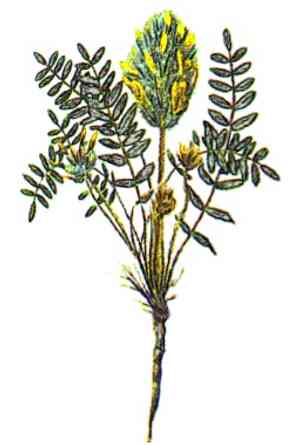
The most suitable period for relocating swedish coffee is during the gentle warmth of late spring, continuing into the early summer's embrace. Select a luminous spot with soil that drains effectively. Should it be required, enrich the soil to foster robustness and development.
Preparations Required Before Relocating Swedish Coffee
Optimal Period for Transplanting Swedish Coffee
For swedish coffee, the perfect time to move them to a new spot is from late spring to early summer. Moving swedish coffee during this period encourages strong root growth and adaptation, thanks to the milder weather and longer daylight hours. The moderate temperatures provide an ideal setting—not too hot, not too cold—for swedish coffee to settle and thrive in its new home with minimal stress.
Spacing Requirements for Swedish Coffee Plants
When moving swedish coffee, ensure adequate room for growth by placing each plant approximately 12-18 inches (30-46 cm) apart. This will give your swedish coffee sufficient space to flourish and prevent overcrowding.
Best Soil Mixture for Swedish Coffee Relocation
Before moving swedish coffee, prepare the soil by using a well-draining type, rich in organic material. Incorporate a balanced, slow-release fertilizer to give your swedish coffee an excellent start.
Choosing a New Location for Your Swedish Coffee
Select a sunny location for your swedish coffee as they enjoy absorbing sunlight! A spot receiving full sun will ensure your swedish coffee grows healthy and robust.
Equipment Needed Before Transplanting Swedish Coffee
Gardening Gloves
To safeguard your hands while handling soil and plants.
Hand Trowel
For digging and moving the swedish coffee plant.
Watering Can or Hose
To hydrate the plant before and after relocation.
Garden Spade or Shovel
To assist in digging holes and extracting plants from the ground.
Pruning Shears
To trim any excess or damaged roots or foliage if necessary.
Measuring Tape
To determine the correct distance between planting sites.
Wheelbarrow or Garden Cart
For transporting soil or compost, as well as the plant itself if it's large.
Soil Amendment (Compost)
To enrich the planting hole if needed.
Stakes or Plant Supports
To offer stability to swedish coffee if it's tall or weak.
Mulch
To help maintain soil moisture and regulate soil temperature after transplanting.
How to Extract Swedish Coffee from the Soil
How to Extract Swedish Coffee from the Soil
From Ground: First, water the swedish coffee plant to moisten the soil. Then, dig a wide trench around the plant using a shovel or spade, making sure to leave plenty of space around the root ball. Once a trench is dug, carefully slide the spade beneath the root ball and lift the plant, preserving as much of the root system as possible.From Pot: Water the swedish coffee thoroughly before beginning. Turn the pot sideways and gently tap the sides and bottom to loosen the soil. If the plant doesn't slide out easily, you may need to carefully cut the pot away. Support the plant by the base and invert the pot to slide the plant out while keeping the root ball intact.From Seedling Tray: Water the seedlings gently to make the soil more pliable. Use a hand trowel or a specialized seedling transplanter to carefully lift the swedish coffee seedling, ensuring you include the entire root ball with as much soil adhering to it as possible.
Step-by-Step Guide for Relocating Swedish Coffee
Preparation
Have all your tools and equipment ready. Ensure the chosen spot for the swedish coffee is free of weeds and debris. Make sure the transplanting occurs during a cooler part of the day, or on a cloudy day if possible, to minimize plant stress. Measure the distance between planting spots if moving multiple swedish coffee. Pre-water the plants so the root ball stays intact during the process. Have soil amendments and supports handy if needed, and ensure the planting hole is prepared.
Excavation
Gently dig around the swedish coffee if it's in the ground, being careful not to harm the root ball, and lift it out. If the plant is from a pot or tray, carefully invert it and allow the entire plant to slide out or be eased out without disturbing the roots more than necessary.
Placement
Position the swedish coffee plant into the pre-dug hole at the same depth it was originally growing. It's crucial not to bury the plant deeper than it was before. You can gently spread out the roots if they're tightly bound, but try to disturb them as little as possible.
Backfilling
Refill the hole with the removed soil or with a mix of soil and compost, gently tamping down to eliminate any large air pockets. Have stakes or plant supports ready if the swedish coffee is tall or requires additional support.
Watering In
Water the swedish coffee thoroughly after it has been transplanted. This helps settle the soil around the roots and begins the process of establishing it in its new location.
Mulching
Apply a layer of mulch around the base of the swedish coffee, being careful not to place the mulch directly against the stem or leaves as this can cause rot. Mulch helps retain moisture and regulate soil temperature.
Staking
If your swedish coffee is leggy or susceptible to wind damage, drive stakes into the ground and tie the plant to these supports to prevent damage. Use a gentle tying material and don't tie it too tightly.
Post-Transplant Care for Swedish Coffee
Monitoring
Check your swedish coffee daily to observe its adjustment. Look for signs of stress or dehydration, such as wilting or discolored leaves.
Watering
It's vital to water the swedish coffee plant sufficiently while it establishes. Keep the soil moist, but not waterlogged. Water deeply rather than frequently to encourage deep root growth.
Supporting
Adjust or add supports as the swedish coffee grows. Ensure that ties are not too tight and do not cut into the plant's stem.
Pruning
If you notice any damaged or dead stems or leaves, use your pruning shears to remove them. This will promote healthy growth and prevent disease.
Addressing Common Issues with Swedish Coffee Transplantation.
When is the best time to transplant swedish coffee?
Aim for the ideal period of late spring through early summer, when the ground is warm and inviting.
How far apart should I space swedish coffee when transplanting?
Allow each swedish coffee ample room to thrive by spacing them 12-18 inches (30-45 cm) apart.
Why does my swedish coffee wilt after transplanting?
Wilting may indicate shock. Ensure careful handling, timely watering, and minimal root disturbance.
How deep should I dig to transplant swedish coffee?
Dig a hole that comfortably accommodates the root ball, allowing swedish coffee to sit at its original depth.
Can I transplant swedish coffee in full sun?
Absolutely! Swedish coffee flourishes with sunlight. Just confirm the soil remains moist after transplant.
Why are my transplanted swedish coffee plants turning yellow?
Yellowing might signal over-watering or inadequate drainage. Balance your enthusiasm with moderation and ensure proper soil drainage.
How do I prepare the soil for transplanting swedish coffee?
Enrich your garden's soil with well-draining, fertile material before welcoming swedish coffee to its new home.
What's the ideal watering schedule for swedish coffee post-transplant?
Water generously after transplanting, then maintain consistent moisture, especially during dry periods.
My swedish coffee looks leggy after transplanting, what should I do?
Legginess could indicate insufficient light. Find a sunnier spot to satisfy swedish coffee's need for brightness.
How do I acclimatize swedish coffee before transplanting?
Gradually introduce swedish coffee to outdoor conditions by increasing its outdoor time daily for a week before transplanting.



