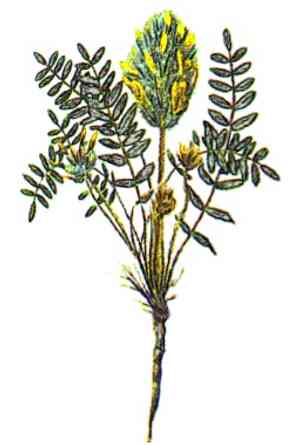
Swedish coffee (Astragalus boeticus)
Also known as: Boetian milkvetch
Astragalus boeticus is an annual herbaceous plant that typically reaches heights between 30 and 100 centimeters. It can branch either at the base or higher up. The stems, which are occasionally reddish, stand upright or ascend and are covered with fine hairs, measuring up to 7 millimeters in diameter.
In This Article
Attributes of Swedish coffee
Lifespan
Annual
Plant Type
Herb
Plant Height
20 cm to 60 cm
Spread
N/A
Leaf Color
Green
Flower Size
2 cm to 3 cm
Flower Color
White Purple
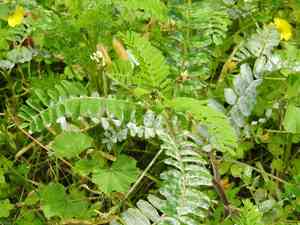
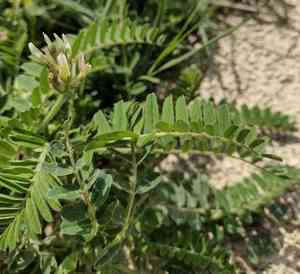
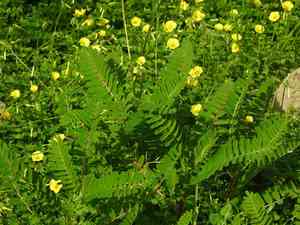
Images of Swedish coffee
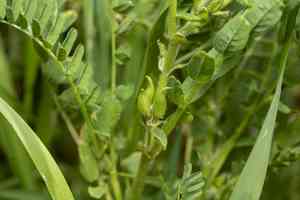
Quickly Identify Swedish coffee
1
Identifying Astragalus boeticus involves looking for a small, herbaceous plant with compound leaves composed of many leaflets. Its flowers are usually purple and form in dense clusters.
Scientific Classification of Swedish coffee
Phylum
Vascular plants
Class
Dicotyledons
Order
Fabales
Family
Legume
Genus
Milkvetch
Species
Swedish coffee
Planting and Growing of Swedish coffee
Care Difficulty
Easy
Watering Schedule
Every 2 days
Sunlight Requirements
Full sun
Sunshine Duration
6-10 hours
Ideal Temperature
60-75℉
Soil Type
Potting Mix, Peat Mix
Soil pH
6.5-7.5
Fertilizer Type
Balanced
Pruning Season
Spring, Summer
Pruning Area
Branches, Leaves
Pruning Frequency
2 times a year
Repotting Season
Spring
Pot Type
Plastic, Ceramic
 How to Water Swedish coffee?
The watering amount for Astragalus boeticus should be sufficient to moisten the top 2 inches of soil without leaving excess water at the bottom. Ensure the soil is well-draining and the plant is not left standing in water for extended periods.
What are the symptoms of an underwatered Swedish coffee?
›
What should I do if my Swedish coffee is not getting enough water?
›
What are the symptoms of an overwatered Swedish coffee?
›
How to save an overwatered Swedish coffee?
›
 What Are the Sunlight Requirements for Swedish coffee?
Astragalus boeticus prefers full sun to partial sun, benefiting from 6 to 8 hours of direct sunlight. Consistent light boosts photosynthesis, leading to vigorous growth and prolific flowering.
What type of sunlight does Astragalus boeticus prefer?
›
How can you ensure Astragalus boeticus receives its ideal light conditions?
›
What benefits does Astragalus boeticus gain from ideal sunlight?
›
 What Is the Ideal Temperature Range for Swedish coffee?
The ideal temperature range for Astragalus boeticus is between 60 and 75 degrees Fahrenheit. This range is optimal for its growth and metabolic functions, allowing it to thrive and resist diseases. Maintaining this temperature helps in achieving vigorous growth and optimal flowering.
 What Soil is Best for Swedish coffee?
Astragalus boeticus thrives in nutrient-rich soil that provides essential minerals and nutrients. This soil type supports robust growth by supplying the plant with vital resources necessary for healthy development. Well-draining soil prevents water from accumulating around the roots, which can lead to root rot. This helps Astragalus boeticus by ensuring its roots remain healthy and capable of absorbing nutrients efficiently. While well-draining, the soil should also retain moderate moisture to keep the roots hydrated. This balance is crucial to support the plant’s growth and prevent drying out during warmer conditions.
 How to Fertilize Swedish coffee?
Astragalus boeticus prefers a balanced fertilizer application. For liquid fertilizers, use half the recommended strength to avoid root burn. Apply 200-250 ml per plant. With solid fertilizers, apply 30-50 grams per square meter, ensuring even distribution around the base of the plant.
 How to Prune Swedish coffee?
Begin by selecting a set of pruning shears that are sharp and clean. It's crucial to sterilize them with rubbing alcohol before use to prevent the spread of disease. Ensure the shears are suitable for cutting delicate stems. When pruning Astragalus boeticus, make clean cuts at a 45-degree angle above a node or a budding leaf. This angle helps to minimize water retention and the risk of rot. Remember to remove any dead or diseased stems to ensure optimal plant health. Shape the plant by trimming back overgrown branches to create a balanced bush-like shape. This not only improves air circulation but also allows sunlight to penetrate deeper into the plant, promoting overall vitality.
More About Pruning Techniques→
 How to Propagate Swedish coffee plant?
1
Begin with scarifying the seeds gently, which involves scratching the seed coat slightly to promote germination. This is important for Astragalus boeticus, as it has a hard seed coat.
2
After scarification, sow the seeds in the prepared seed tray filled with quality potting mix. Cover the seeds lightly with soil and water gently to avoid displacing the seeds.
3
Place the seed tray in a warm, bright location. Once seedlings develop a few true leaves, transplant them into individual pots or directly into the garden, spacing them adequately.
 How to Repot Swedish coffee plant?
1
Astragalus boeticus should be repotted when roots begin to outgrow the pot, usually every two years. Signs include roots poking through drainage holes or the plant not retaining water well. Repotting during spring or autumn allows the plant to adjust to new soil with reduced stress.
2
Select a pot slightly larger than the current one, ensuring at least one drainage hole to prevent waterlogging. A terracotta pot is recommended as it provides better air circulation around the roots, thus promoting better root growth and preventing root rot.
3
Use a well-draining loamy mix preferred by Astragalus boeticus. Such soil offers the ideal balance of nutrients while preventing root rot, essential for the plant's optimal health. Mix in some sand or perlite to improve drainage further.
Learn More About Swedish coffee Diseases
Anthracnose
Bacterial Leaf Spot
Bacterial Wilt
Chemical Injury
Crown Gall
Cyst Nematode
Damping-off
Downy Mildew
Drought Stress
Fusarium Wilt
Gray Mold
Leaf Curl
Leaf Spot
Mosaic
Nutrient Deficiency
Nutrient Toxicity
Powdery Mildew
Root Rot
Root-knot Nematode
Rusts
Sooty Mold
Spider Mites
Temperature Stress
Thrips Damage
White Mold



