How to Transplant Walking fern?
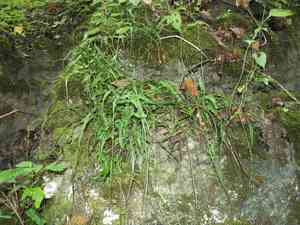
For walking fern, the ideal period for relocation spans from the vigor of late spring through the warmth of mid-summer, or during the mild chill of late autumn into early winter. Select a shaded spot featuring damp, fertile earth to replicate its natural forest environment. Handle its fragile root system with care during the transfer to ensure robust development.
Preparations Required Before Relocating Walking Fern?
Optimal Period for Moving Walking Fern?
Relocate walking fern during the refreshing period between late spring and early summer, or as autumn transitions into early winter. This timing aligns with walking fern's natural growth cycle, promoting root establishment when the plant is most receptive. A helpful hint: this strategic timing provides your walking fern with nature's ideal conditions, boosting vigor and encouraging lush development.
Required Spacing Between Walking Fern Plants?
Hello there! For your walking fern, you'll want to provide each individual with some personal room. Aim for less than 12 inches (30 cm) between them. This close proximity will help them feel secure without excessive crowding.
Best Soil Mixture for Walking Fern Relocation?
Let's prepare a comfortable bed for your walking fern! Select a soil rich in organic material with good drainage. Before planting, incorporate a gentle, organic-based fertilizer to give your walking fern a nutritious start. Consider it a vitamin-packed snack for the roots!
Where Should You Replant Your Walking Fern?
Your walking fern enjoys a bit of shade as it grows. Locate a spot where the sun appears intermittently, offering partial sunlight. This ensures your green companion receives sufficient light without excessive heat. You're on your way to a thriving plant family!
Equipment to Prepare Before Transplanting Walking Fern?
Gardening Gloves
To safeguard your hands while handling soil and the plant.
Shovel or Spade
For excavating and lifting the root ball from the ground or container.
Watering Can or Hose
To hydrate the plant before and after the relocation process.
Pruning Shears
To trim any dead or excess foliage prior to transplanting.
Garden Trowel
For digging the new hole and adjusting soil around roots post-planting.
Wheelbarrow
To move the plant and soil with minimal disruption to the root ball.
Measuring Tape
To assist in positioning the plant at the correct depth in its new spot.
Mulch
To apply around the plant's base after transplanting, aiding moisture retention.
How to Extract Walking Fern from the Soil?
How to Extract Walking Fern from the Soil?
From Ground: First, water the walking fern plant to moisten the soil, making it easier to work with. Using a shovel or spade, carefully dig in a circle around the plant, several inches away from the leaves to avoid damaging the root system. Once the soil is loosened, slide the shovel beneath the root ball and gently lift the plant from the ground.From Pot: Water the walking fern plant to dampen the root ball, which will facilitate a smoother transition. Turn the pot on its side and gently tap the bottom to loosen the plant. Use your hands to support the plant as you invert the container and carefully ease the plant out, ensuring the root ball remains intact.From Seedling Tray: Water the soil before attempting to remove the seedling to minimize root disturbance. Use a garden trowel or spoon to gently pry the soil beneath the seedling. Hold the walking fern plant by its base and lift it, soil and all, from its cell.
Step-by-Step Guide for Relocating Walking Fern
Prepare the New Site
Dig a hole in the ground that is twice the width and the same depth as the walking fern's root ball. Break up any large soil clumps and remove debris to create a welcoming environment for the roots.
Plant Placement
Gently place the walking fern into the prepared hole, ensuring it stands upright. The top of the root ball should be at ground level or slightly above to allow for proper settling.
Backfill Soil
Fill in around the root ball with the excavated soil, gently firming it with your hands to eliminate air pockets. Be careful not to harm the delicate fronds during this process.
Watering
Immediately after planting, thoroughly water the walking fern to settle the soil around the roots and support the plant in its new surroundings.
Mulching
Apply an even layer of mulch around the base of the walking fern, which will help maintain moisture and temperature, and suppress weed growth.
How to Care for Walking Fern After Relocation?
Monitoring
Inspect the walking fern daily for signs of stress, such as wilting or discolored leaves, and take action if necessary to ensure a successful transplant.
Water Management
Water regularly to maintain consistent soil moisture, especially during the initial growing season after transplanting. Overwatering or drought can severely impact the walking fern's ability to establish itself.
Seasonal Care
As the walking fern enters different growth phases or experiences changes in seasonal weather, adjust care practices such as watering frequency and protection from extreme temperatures.
Addressing Common Issues with Walking Fern Transplantation.
When is the best time to transplant walking fern?
Choose late spring to early summer or from late fall to early winter for transplanting walking fern.
What spacing is needed between walking fern when transplanting?
Keep the walking fern close, with less than 12 inches (30 cm) apart for optimal growth.
Why is my walking fern not thriving after transplanting?
Ensure walking fern isn't planted too deep and that the soil is well-draining and moist.
Can walking fern tolerate full sunlight post-transplant?
Walking fern prefers shaded to partly shaded locations. Excessive sun can harm freshly transplanted ferns.
How much should I water walking fern after transplanting?
Water the plant generously after transplanting, then keep the soil consistently moist without waterlogging.
What kind of soil is best for transplanting walking fern?
Use a rich, organic, and slightly acidic to neutral pH soil for best results with walking fern.
Should I fertilize walking fern after transplanting?
Fertilization isn't immediately necessary. Wait until walking fern has established before considering light fertilization.
How can I tell if walking fern has transplant shock?
Signs include wilting, yellowing leaves, or stunted growth. Allow it time and proper care to recover.
Can I transplant walking fern during the hottest part of summer?
Transplanting walking fern during extreme heat can stress the plant. Opt for cooler days or wait until autumn.
How do I prepare the ground for walking fern transplanting?
Clear the area of weeds, till the soil, and add compost for a rich, receptive bed for walking fern.



