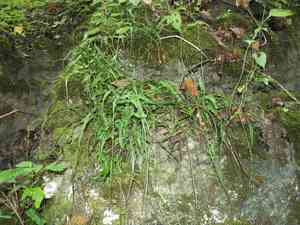
Walking fern (Asplenium rhizophyllum)
Also known as: Walking Fern, Walking Spleenwort
The Walking fern (Asplenium rhizophyllum) earns its distinctive name due to its unique growth habit. New plants sprout from the tips of its leaves when they touch the ground, making it appear as if the fern is "walking" over its growing area. Unlike typical ferns, its leaves often curve back on themselves. This fern commonly grows on moss-covered rocks.
In This Article
Attributes of Walking fern
Lifespan
Perennial
Plant Type
Herb
Plant Height
5 cm to 20 cm
Spread
5 cm to 20 cm
Leaf Color
Green
Flower Size
N/A (ferns do not produce flowers)
Flower Color
N/A (ferns do not produce flowers)
Images of Walking fern
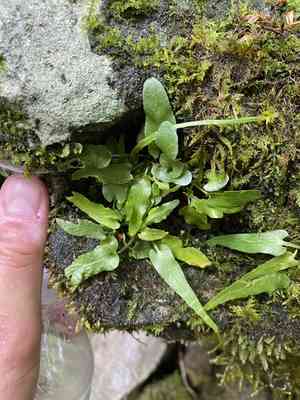
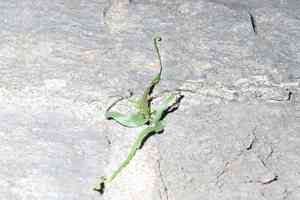
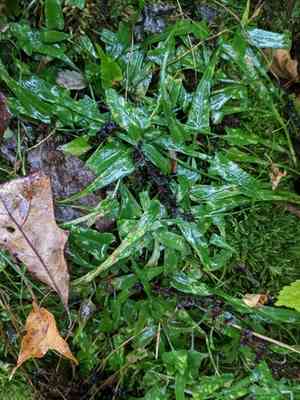
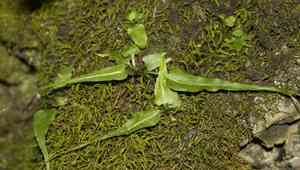
Quickly Identify Walking fern
1
Elongated, triangular dark green fronds with tapering tips.
2
Frond tips root upon contact with moist soil, aiding colony formation.
3
Distinctive eared lobes at frond base for identification support.
4
Rhizomatous crown and shallow fibrous roots anchor the plant.
5
Fronds with slightly wavy edges and undersides bearing spores.
Scientific Classification of Walking fern
Phylum
Vascular plants
Class
Ferns
Order
Polypodiales
Family
Spleenwort
Genus
Spleenworts
Species
Walking fern
Planting and Growing of Walking fern
Care Difficulty
Easy
Watering Schedule
Every 2 days
Sunlight Requirements
Full shade
Sunshine Duration
6-10 hours
Ideal Temperature
55-75℉
Soil Type
Potting Mix, Peat Mix
Soil pH
6.5-7.5
Fertilizer Type
Balanced
Pruning Season
Spring, Summer
Pruning Area
Branches, Leaves
Pruning Frequency
2 times a year
Repotting Season
Spring
Pot Type
Plastic, Ceramic
 How to Water Walking fern?
When watering Asplenium rhizophyllum, you should aim for about 150 milliliters each time to ensure the soil is evenly moist but not waterlogged. The key principle is to adjust based on environmental conditions, particularly room humidity and temperature.
What are the symptoms of an underwatered Walking fern?
›
What should I do if my Walking fern is not getting enough water?
›
What are the symptoms of an overwatered Walking fern?
›
How to save an overwatered Walking fern?
›
 What Are the Sunlight Requirements for Walking fern?
Asplenium rhizophyllum prefers partial sun to full shade, with 1 to 4 hours of filtered sunlight. Ideal lighting promotes lush, robust growth while preserving the plant’s delicate foliage.
More About Sunlight Requirements Techniques→
What is the best lighting condition for Asplenium rhizophyllum?
›
How can I achieve ideal lighting for Asplenium rhizophyllum?
›
What are the benefits of optimal lighting for Asplenium rhizophyllum?
›
 What Is the Ideal Temperature Range for Walking fern?
Asplenium rhizophyllum thrives best in a temperature range between 55°F and 75°F. This range mimics the mild and stable conditions found in its natural habitat, typically forested areas with minimal temperature fluctuations. Providing this environment ensures optimal growth and promotes healthy foliage development. The consistent temperature supports the plant's physiological processes, allowing for efficient photosynthesis and energy utilization.
 What Soil is Best for Walking fern?
For Asplenium rhizophyllum, soils rich in organic matter provide the perfect environment. Decomposing leaves and compost improve soil structure, promote moisture retention, and supply essential nutrients, fostering lush fern fronds. While this fern prefers moisture, it can't tolerate soggy conditions. Well-draining soil prevents root rot and encourages root health, essential for sustained growth in diverse conditions. The soil should be able to retain enough moisture to keep the roots consistently hydrated without becoming waterlogged, ensuring optimal growth and vibrant green foliage.
 How to Fertilize Walking fern?
Asplenium rhizophyllum requires a balanced approach to fertilization. Use a liquid fertilizer diluted to half the manufacturer's recommended strength. This plant benefits from very light feeding, particularly during its active growth periods. Over-fertilizing can lead to an accumulation of salts in the soil, which may damage the roots.
 How to Prune Walking fern?
Begin by identifying dead, damaged, or discolored fronds. Use sharp, clean scissors or pruning shears to cut these fronds back to the base of the plant. Make sure to trim at an angle to encourage quicker healing. Avoid cutting healthy green fronds as this could stress the plant. To shape your Asplenium rhizophyllum, selectively prune fronds that extend beyond your desired size or shape. This not only maintains the plant's form but also stimulates growth in the center, promoting a fuller look. Be patient and prune incrementally to avoid overcutting.
More About Pruning Techniques→
 How to Propagate Walking fern plant?
1
Begin by watering the Asplenium rhizophyllum thoroughly a few days before propagation. This ensures the plant is hydrated and reduces stress when dividing the roots.
2
Carefully remove the plant from its pot and tease apart the roots. Look for natural divisions in the root ball and use your hands or a sharp knife to separate these into smaller clumps with healthy roots.
3
Plant each division into a pot filled with a well-draining potting mix. Ensure the crown of each division is at soil level, and water thoroughly to settle the soil around the roots.
 How to Repot Walking fern plant?
1
Repot Asplenium rhizophyllum when it shows signs of being root-bound, such as roots growing out of the drainage holes or the plant appearing top-heavy. Spring and summer are optimal seasons for repotting as the plant is in its active growth phase.
2
Choose a pot that's one size larger than the current pot, with adequate drainage holes. A terra cotta pot can be beneficial as it allows for better airflow to the roots, reducing the risk of overwatering and root rot.
3
Select a well-draining potting mix, preferably one designed for ferns. This type of soil mimics the plant's natural habitat, offering a balanced mix of moisture retention and drainage, which is crucial for its root health.



