How to Transplant Rainforest spleenwort?
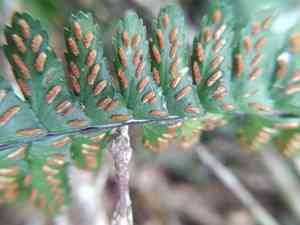
Optimal periods for relocating rainforest spleenwort occur during temperate conditions, precisely from the close of spring through the middle of summer, or from the end of autumn into the beginning of winter. This schedule enables rainforest spleenwort to develop its root system without enduring severe thermal or frigid strain. Select a shaded, moist location for peak development. Careful manipulation is crucial to prevent damage to the fragile fronds.
What Preparations are Needed Before Transplanting Rainforest Spleenwort?
What is the Ideal Time for Transplanting Rainforest Spleenwort?
The optimal period to relocate rainforest spleenwort is during the mild shift from late spring to early summer, or as late autumn transitions into early winter. Moving rainforest spleenwort at these times allows roots to establish in moderate temperatures, building strength before extreme weather. This timing also aligns with rainforest spleenwort's natural growth cycles, maximizing adaptation and successful development. Remember: your plants flourish best with careful attention and precise timing!
How Much Space Should You Leave Between Rainforest Spleenwort Plants?
Greetings! When preparing to transplant rainforest spleenwort, ensure each plant has ample room to thrive. Aim for a spacing of 6-12 inches (15-30 cm) between them, which is perfect for these lovely perennials to spread their foliage.
What is the Best Soil Mix for Rainforest Spleenwort Transplanting?
For rainforest spleenwort, they prefer rich, well-draining soil, similar to their native rainforest environment. Before planting, incorporate some organic compost as a foundational fertilizer. This will help your rainforest spleenwort feel right at home!
Where Should You Relocate Your Rainforest Spleenwort?
These rainforest spleenwort beauties flourish in a spot that mimics their natural habitat. Seek out a location that provides partial to full shade, as excessive direct sunlight can be too intense for them. An area with dappled sunlight is perfect for these forest dwellers.
What Equipments Should You Prepare Before Transplantation Rainforest Spleenwort?
Gardening Gloves
To safeguard your hands while handling soil and plants.
Shovel or Spade
For excavating the plant and preparing the new planting site.
Watering Can or Hose
To hydrate the plant before removal and after replanting.
Pruning Shears
For trimming any dead or overgrown foliage.
Wheelbarrow or Garden Cart
To move the plant and soil efficiently.
Trowel
For minor adjustments and to refine the transplanting hole.
Organic Mulch
To aid in moisture retention after transplanting.
How Do You Remove Rainforest Spleenwort from the Soil?
How Do You Remove Rainforest Spleenwort from the Soil?
From Ground: Start by watering the rainforest spleenwort to soften the earth. Use a shovel or spade to dig a wide, encircling trench around the plant, ensuring the entire root ball remains intact. Gently insert the shovel beneath the root ball to carefully lift the rainforest spleenwort from its spot.From Pot: Ensure the rainforest spleenwort is well-hydrated to facilitate removal. Turn the pot on its side and tap the bottom to loosen the root ball. Support the rainforest spleenwort by its base and gently pull, easing it out of the container.From Seedling Tray: Water the seedlings to make the soil pliable. Use a trowel or your fingers to gently separate the rainforest spleenwort from the tray, taking care to keep the roots and soil together.
Step-by-Step Guide for Transplanting Rainforest Spleenwort
Preparation
Gather all necessary tools and water the rainforest spleenwort before beginning the transplanting process.
Removal
Following the appropriate 'removal process' instructions, extract the rainforest spleenwort from its current location, making sure to keep the root ball as intact as possible.
Hole Digging
Excavate a hole in the ground where the rainforest spleenwort will be replanted. The hole should be twice as wide and the same depth as the root ball.
Placement
Position the rainforest spleenwort in the center of the newly dug hole. Ensure the plant stands upright and at the same soil level it was previously growing.
Refilling
Carefully backfill the hole with soil, gently firming it around the roots without compacting it too tightly.
Watering
Thoroughly water the rainforest spleenwort after transplanting to help settle the soil around the roots and eliminate air pockets.
Mulching
Apply an organic mulch around the base of the rainforest spleenwort to help retain soil moisture and regulate soil temperature.
Monitoring
Observe the rainforest spleenwort over the subsequent weeks, looking for signs of transplant stress such as wilting or discolored leaves.
How Do You Care For Rainforest Spleenwort After Transplanting?
Monitoring
Regularly check the rainforest spleenwort for signs of stress and adjust care as needed. Be attentive but not overbearing with your newly relocated plant.
Watering
Ensure the soil remains moist, providing water as necessary without causing waterlogging. The aim is to help the rainforest spleenwort establish a strong root system in its new spot.
Pruning
Trim away any dead or damaged leaves after transplant. This helps the rainforest spleenwort to direct its energy towards root establishment and new growth.
Troubleshooting Common Issues with Rainforest Spleenwort Transplantation.
What's the best time to transplant rainforest spleenwort?
Relocate rainforest spleenwort during late spring to midsummer, or from late fall to the start of winter for optimal root establishment.
Why are my transplanted rainforest spleenwort wilting post-transplant?
Wilting may be due to transplant shock. Ensure it's adequately watered and shaded for the initial days after transplanting.
How far apart should I space rainforest spleenwort when transplanting?
Space rainforest spleenwort approximately 6-12 inches (15-30 cm) apart to allow sufficient room for growth and air circulation.
Is it necessary to prune rainforest spleenwort during transplanting?
Prune only damaged or dead fronds to encourage healthy growth and reduce transplant stress.
What soil conditions favor successful rainforest spleenwort transplanting?
A rich, well-draining soil with some organic matter is ideal for rainforest spleenwort transplants to flourish.
Can rainforest spleenwort be transplanted in full sunlight?
No, rainforest spleenwort prefers shade. Transplant to a location with filtered light or partial shade to prevent leaf scorch.
How should I water rainforest spleenwort after transplanting?
Keep the soil consistently moist but not waterlogged; water gently around the base without excessively wetting the fronds.
What are the signs of overwatering rainforest spleenwort after transplanting?
Signs include yellowing leaves and a soft base. Allow the soil to dry slightly between waterings.
Should I use fertilizer when transplanting rainforest spleenwort?
Wait 4-6 weeks before fertilizing to avoid burning the developing roots. Use a balanced, slow-release fertilizer.
What to do if rainforest spleenwort's fronds turn brown after transplanting?
Brown fronds can indicate dryness or sunburn. Move rainforest spleenwort to a better shaded area and ensure adequate watering.



