Rainforest spleenwort (Asplenium normale)
Also known as: Spleenwort, Common Spleenwort
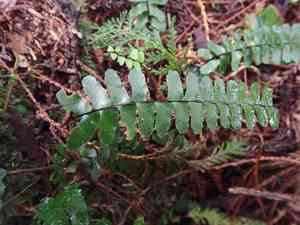
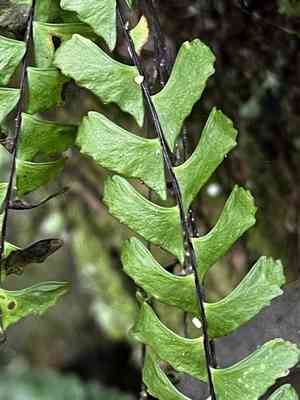
The rainforest spleenwort is a delicate fern characterized by its slender, upward-reaching fronds. Each frond is intricately divided, giving it a ladder-like appearance with evenly spaced leaflets along the central stem. This fern prospers in environments that are both humid and shaded, frequently found growing on moss-covered rocks or tree trunks where moisture is abundant, ensuring it remains well-hydrated while avoiding direct sunlight.
In This Article
Attributes of Rainforest spleenwort
Lifespan
Perennial
Plant Type
Herb
Plant Height
15 cm to 40 cm
Spread
20-40 cm
Leaf Color
Green
Flower Size
N/A (non-flowering plant)
Flower Color
N/A (non-flowering plant)
Images of Rainforest spleenwort
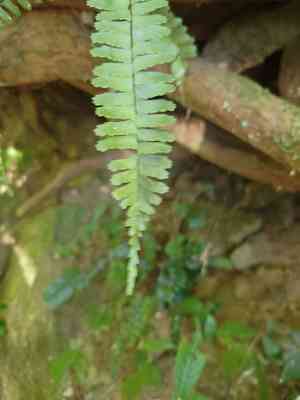
Quickly Identify Rainforest spleenwort
1
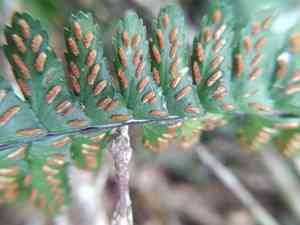
Identifying Asplenium normale is relatively easy if you look for its characteristic thin, Y-shaped fronds that often have a slightly leathery texture. The sori (spore-producing structures) are typically elongated and found on the underside of the leaves.
Scientific Classification of Rainforest spleenwort
Phylum
Vascular plants
Class
Ferns
Order
Polypodiales
Family
Spleenwort
Genus
Spleenworts
Species
Rainforest spleenwort
Planting and Growing of Rainforest spleenwort
Care Difficulty
Easy
Watering Schedule
Every 3 days
Sunlight Requirements
Partial sun
Sunshine Duration
6-10 hours
Ideal Temperature
60-75℉
Soil Type
Potting Mix, Peat Mix
Soil pH
6.5-7.5
Fertilizer Type
Balanced
Pruning Season
Spring, Summer
Pruning Area
Branches, Leaves
Pruning Frequency
2 times a year
Repotting Season
Spring
Pot Type
Plastic, Ceramic
 How to Water Rainforest spleenwort?
When watering Asplenium normale, aim to moisten the soil evenly without soaking it. Use approximately 200 ml of water, ensuring the water reaches the root zone but doesn’t lead to waterlogging. The soil should feel slightly moist to the touch, mimicking the plant’s natural habitat.
What are the symptoms of an underwatered Rainforest spleenwort?
›
What should I do if my Rainforest spleenwort is not getting enough water?
›
What are the symptoms of an overwatered Rainforest spleenwort?
›
How to save an overwatered Rainforest spleenwort?
›
 What Are the Sunlight Requirements for Rainforest spleenwort?
Partial sunlight for 2-4 hours a day is ideal. This lighting supports healthy foliage and prevents overstressing the plant, maintaining its lush, green appearance.
Preferred Environment
›
Solutions for Ideal Light
›
Benefits of Ideal Lighting
›
 What Is the Ideal Temperature Range for Rainforest spleenwort?
The ideal temperature range for Asplenium normale is between 60°F and 75°F. This range facilitates optimal growth, assisting in maintaining the foliage's vibrant color and texture. It provides a balanced environment that mirrors the plant’s natural habitat conditions, which are crucial for its overall well-being and health.
 What Soil is Best for Rainforest spleenwort?
Asplenium normale thrives in well-drained soil that prevents water from accumulating around the roots. Proper drainage is crucial as it helps avoid root rot and other water-related issues, keeping the plant healthy and promoting robust growth. The soil should be able to retain moderate moisture to keep the fern hydrated without staying waterlogged. This balance ensures the plant has consistent access to water between watering sessions, which is vital for its lush, green foliage. Nutrient-rich soil is essential for Asplenium normale, as it provides the necessary minerals and organic matter that support growth and vitality. Enriched soil contributes to denser fronds and a healthier overall appearance.
 How to Fertilize Rainforest spleenwort?
When feeding Asplenium normale, use about half the recommended strength of a balanced liquid fertilizer for houseplants. This plant prefers light feeding, so it’s always better to under-fertilize than to overdo it and risk root damage.
 How to Prune Rainforest spleenwort?
Use sharp scissors or small pruning shears to ensure clean cuts when trimming Asplenium normale. Clean tools help prevent infection and make the pruning process more efficient. Examine the plant to identify old, yellowing, or damaged fronds. These are the ones you should focus on removing. Be careful not to cut healthy, green fronds as they are essential for the plant's photosynthesis and overall vitality. When pruning, make clean cuts close to the base of the frond to avoid leaving stubs that can harbor pests or diseases. Ensure that your cuts are clean and precise for the best results.
More About Pruning Techniques→
 How to Propagate Rainforest spleenwort plant?
1
Before starting the division process, water the plant thoroughly a day before to ensure it is hydrated. This makes it easier to separate the roots without causing excessive stress to the plant.
2
With a sharp knife, carefully divide the Asplenium normale into smaller sections, ensuring each section has a healthy root system and fronds. Handle with care to avoid damaging the delicate roots.
3
Place each section into a well-prepared potting mix rich in organic matter. Ensure the rhizome is just beneath the soil surface, and water gently to settle the soil around the roots.
 How to Repot Rainforest spleenwort plant?
1
Signs that Asplenium normale needs repotting include roots growing out of the drainage holes or visible above the soil surface. Ideally, repot in spring or summer when the plant actively grows, ensuring it quickly adapts to the new pot.
2
Choose a pot slightly larger than the current one to allow for growth, with excellent drainage holes. This prevents root rot and provides space for the roots to expand, supporting the plant’s health and robustness.
3
Select a well-draining fern mix, rich in organic matter, to mimic the plant’s natural environment. This mix helps retain moisture while offering excellent drainage, ensuring healthy root development and reducing the risk of overwatering.



