How to Transplant Ragweed sagebrush?
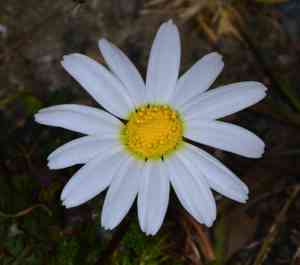
Ragweed sagebrush flourishes when relocated during the blooming season, from the beginning to the end of spring, taking advantage of cooler weather. Provide a spot with full sun or partial shade for rapid root establishment.
What Preparations are Needed Before Transplanting Ragweed Sagebrush?
What is the Ideal Time for Transplanting Ragweed Sagebrush?
The best time to move ragweed sagebrush is from early to late spring. This period aligns with its natural growth cycle, improving its ability to establish roots in a new spot. Transplanting then allows ragweed sagebrush to benefit from spring rains and mild temperatures, reducing stress and encouraging strong growth throughout the active season.
How Much Space Should You Leave Between Ragweed Sagebrush Plants?
When relocating ragweed sagebrush, ensure each plant is spaced 18-24 inches (45-60 cm) apart to provide sufficient room for development and prevent overcrowding.
What is the Best Soil Mix for Ragweed Sagebrush Transplanting?
Prepare soil that drains well, with a slightly sandy or loamy texture. Incorporate a balanced base fertilizer to enrich the soil. This will supply essential nutrients for ragweed sagebrush to flourish.
Where Should You Relocate Your Ragweed Sagebrush?
Select a site that receives full sunlight for most of the day. Ragweed sagebrush thrives in bright conditions, so a sunny garden spot is perfect for healthy development.
What Equipments Should You Prepare Before Transplantation Ragweed Sagebrush?
Gardening Gloves
To safeguard your hands while handling soil and plants.
Shovel or Spade
For excavating the plant and preparing the new planting location.
Trowel
For more precise digging and relocation, especially useful for smaller plants.
Watering Can or Hose
To hydrate the plant before removal and after replanting into the ground.
Wheelbarrow
To transport the plant if it's large or needs to be moved a significant distance.
Plant Supports (Optional)
To offer stability for the plant if it is large or top-heavy.
How Do You Remove Ragweed Sagebrush from the Soil?
How Do You Remove Ragweed Sagebrush from the Soil?
From Ground: First, water the ragweed sagebrush plant to moisten the soil. Then, dig a wide trench around the plant using a shovel or spade, ensuring the plant's root ball stays intact. Carefully work the spade beneath the root ball to lift the plant from its original spot.From Pot: Water the ragweed sagebrush plant thoroughly to facilitate removal. Gently tip the pot on its side and tap the sides and bottom to loosen the soil. Hold the base of the plant and carefully slide it out of the pot, taking care not to harm the roots.From Seedling Tray: Water the ragweed sagebrush seedlings to make them easier to extract. Use a trowel or your fingers to gently lift each seedling from the tray, keeping as much of the root system and soil intact as possible.
Step-by-Step Guide for Transplanting Ragweed Sagebrush
Site Selection
Choose a location with adequate sunlight and room for your ragweed sagebrush plant to reach its mature size.
Prepare the Soil
Loosen the soil in the new planting site and amend it if necessary. Dig a hole twice the width of the root ball and equally deep.
Transplanting the Plant
Place the ragweed sagebrush plant into the hole so the top of the root ball is level with the ground surface. Fill the hole with soil, pressing gently but firmly to remove air pockets.
Watering
Water the transplanted ragweed sagebrush thoroughly to help settle the soil around the roots. Ensure the soil is moist but not waterlogged.
How Do You Care For Ragweed Sagebrush After Transplanting?
Watering
Keep the soil around the ragweed sagebrush consistently moist, but not saturated, for the initial few weeks post-transplant to aid in strong root establishment.
Mulching
Apply a layer of mulch around the base of the ragweed sagebrush, but keep it clear of the stem to prevent rot. This will help retain soil moisture and suppress weeds.
Monitoring
Regularly inspect the ragweed sagebrush for signs of stress, such as wilting or yellowing leaves. If needed, provide additional water or shade.
Feeding
After one month, you can begin to feed the ragweed sagebrush with a balanced fertilizer to support its growth.
Troubleshooting Common Issues with Ragweed Sagebrush Transplantation.
When is the best time to transplant ragweed sagebrush?
Early to late spring is optimal for transplanting ragweed sagebrush due to favorable growing conditions.
How much space should I leave between transplants?
Space transplants 18-24 inches (45-60 cm) apart to ensure they have sufficient room to grow.
How do I prepare the soil for transplanting ragweed sagebrush?
Ensure the soil is well-drained, loose, and enriched with organic matter for optimal growth.
What should I do if the transplanted ragweed sagebrush wilts?
Water the plant thoroughly and provide shade until it recovers from transplant shock.
How deep should I plant the ragweed sagebrush transplant?
Plant it at the same depth it was growing previously to avoid root stress.
How often should I water ragweed sagebrush after transplanting?
Keep the soil consistently moist but not waterlogged, especially in the first few weeks.
What type of sunlight does ragweed sagebrush require after transplanting?
Ragweed sagebrush thrives in full sun, so ensure it receives at least 6 hours of sunlight daily.
Should I fertilize ragweed sagebrush when transplanting?
A balanced, slow-release fertilizer can be applied to help support root establishment.
How can I protect ragweed sagebrush from transplant shock?
Water well, provide shade, and avoid disturbing the roots during transplanting to minimize shock.
What should I do if the leaves of ragweed sagebrush turn yellow after transplanting?
This might indicate overwatering or poor drainage; ensure proper watering and soil conditions.



