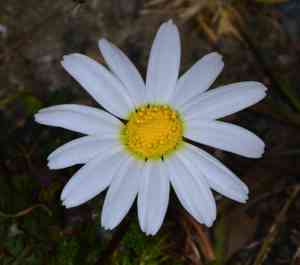
Ragweed sagebrush (Artemisia franserioides)
Also known as: Ragweed Sagewort
Artemisia franserioides, also known as ragweed sagebrush, is a biennial or perennial plant that can reach up to 1 meter in height. This faintly aromatic species features numerous small, drooping flower heads and is typically found in coniferous forest habitats.
In This Article
Attributes of Ragweed sagebrush
Lifespan
Perennial
Plant Type
Herb
Plant Height
0.3-1.0 meters
Spread
0.2-0.6 meters
Leaf Color
Gray-green
Flower Size
Less than 1 cm
Flower Color
Yellow
Images of Ragweed sagebrush
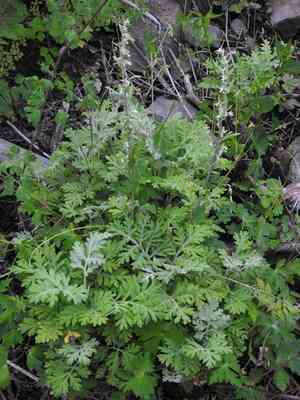
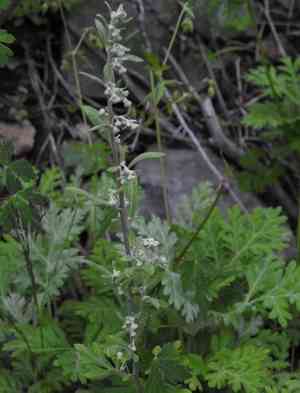
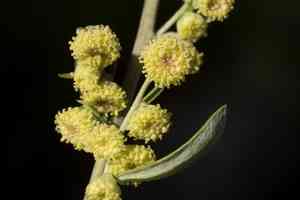
Quickly Identify Ragweed sagebrush
1
Artemisia franserioides can be identified by its deeply cut, gray-green leaves that resemble those of ragweed. The plant emits a distinctive sage-like aroma when the leaves are crushed.
Scientific Classification of Ragweed sagebrush
Phylum
Vascular plants
Class
Dicotyledons
Order
Asterales
Family
Daisy
Genus
Mugworts
Species
Ragweed sagebrush
Planting and Growing of Ragweed sagebrush
Care Difficulty
Moderate
Watering Schedule
Every 3 days
Sunlight Requirements
Full sun
Sunshine Duration
4-6 hours
Ideal Temperature
60-75℉
Soil Type
Potting Mix, Peat Mix
Soil pH
6.5-7.5
Fertilizer Type
Balanced
Pruning Season
Spring, Summer
Pruning Area
Branches, Leaves
Pruning Frequency
2 times a year
Repotting Season
Spring
Pot Type
Plastic, Terracotta
 How to Water Ragweed sagebrush?
For Artemisia franserioides, the principle is to water deeply but infrequently. Ensure that the soil is dry a couple of inches down before re-watering. This means soaking the soil thoroughly until excess water drains out, but making sure not to leave the roots standing in water.
What are the symptoms of an underwatered Ragweed sagebrush?
›
What should I do if my Ragweed sagebrush is not getting enough water?
›
What are the symptoms of an overwatered Ragweed sagebrush?
›
How to save an overwatered Ragweed sagebrush?
›
 What Are the Sunlight Requirements for Ragweed sagebrush?
Preferring full to partial sun, Artemisia franserioides benefits from balanced light exposure. Ideal light promotes vigor, ensures photosynthesis efficiency, and supports overall plant health.
What are the ideal lighting conditions?
›
How can we achieve ideal lighting conditions?
›
What benefits arise from optimal lighting?
›
 What Is the Ideal Temperature Range for Ragweed sagebrush?
Artemisia franserioides requires a moderate temperature range for optimal growth. An ideal temperature range of 60 to 75°F promotes healthy foliage and robust growth. These temperatures facilitate optimal metabolic activities, ensuring the plant thrives without stress.
 What Soil is Best for Ragweed sagebrush?
Artemisia franserioides thrives best in well-draining soil, which prevents root rot and other moisture-related issues. This is beneficial because it ensures that the plant's roots receive adequate oxygen and nutrients, promoting healthy growth and resilience. The plant prefers soils with moderate fertility, which provide just the right amount of nutrients. This helps in maintaining a balanced growth rate and prevents nutrient burn that can occur in overly rich soils. A loose soil texture facilitates proper air circulation and water movement through the soil. This is advantageous for Artemisia franserioides because it supports robust root development and overall plant health.
 How to Fertilize Ragweed sagebrush?
For Artemisia franserioides, ensure not to over-fertilize as it thrives in less rich soils. Apply liquid fertilizer at a reduced strength, about half the recommended dose for general plants.
 How to Prune Ragweed sagebrush?
Begin by sterilizing your pruning shears to prevent disease spread. Cut back any dead or damaged stems to the base to encourage new growth. Focus on maintaining a rounded, natural look by selectively trimming the longer stems. Always make cuts just above a set of leaves or a leaf node to promote new branching. To encourage Artemisia franserioides to grow fuller, pinch back the tips of growing stems periodically. This encourages the plant to produce more lateral shoots, resulting in a bushier appearance. Do this throughout the growing season for best results.
 How to Propagate Ragweed sagebrush plant?
1
Begin by collecting seeds from a mature Artemisia franserioides plant. Once gathered, the seeds should be cleaned and dried to avoid any mold development. Store them in a cool, dry place until you're ready to plant.
2
Select healthy stems from the parent plant and cut just below a node using clean pruning shears. Each cutting should be 4-6 inches long. Remove the lower leaves to reduce moisture loss and prepare for rooting.
3
To divide an established plant, carefully dig around and gently separate the root ball. Ensure that each division has sufficient roots and foliage. Replant immediately to minimize stress on the plant.
 How to Repot Ragweed sagebrush plant?
1
Artemisia franserioides should be repotted when you notice roots circling the pot's interior or emerging from drainage holes. Also, if the plant growth slows down noticeably or the soil degrades, it might be time for a change. This typically aligns with the spring and autumn seasons, coinciding with the plant's growth cycles.
2
Select a pot that is 1-2 inches larger in diameter than the current one. Ensure it has adequate drainage holes to prevent waterlogging, which can lead to root rot. A slightly larger pot encourages healthy root expansion, promoting robust growth and vital plant health.
3
Opt for a well-draining soil mix to suit Artemisia franserioides' preference for dry, non-waterlogged conditions. A mix containing sand, perlite, and organic materials like peat moss will provide the necessary nutrients and prevent root diseases by allowing excess water to escape.
Learn More About Ragweed sagebrush Diseases
Anthracnose
Bacterial Leaf Spot
Chemical Injury
Crown Gall
Cyst Nematode
Damping-off
Downy Mildew
Drought Stress
Fusarium Wilt
Gray Mold
Leaf Curl
Leaf Spot
Mosaic
Nutrient Deficiency
Nutrient Toxicity
Powdery Mildew
Root Rot
Root-knot Nematode
Rusts
Sooty Mold
Spider Mites
Temperature Stress
Thrips Damage
White Mold



