How to Transplant California mugwort?
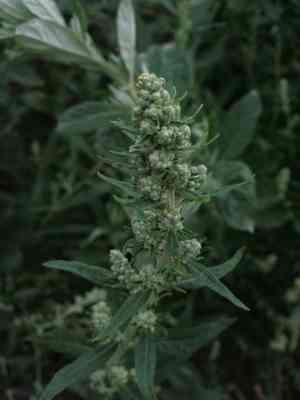
The most favorable period for relocating California mugwort is from mid-spring to the beginning of summer, a time when moderate temperatures facilitate root development. Select a location that receives abundant sunlight and possesses soil with good drainage. During the relocation process, strive to minimize disruption to the roots for optimal outcomes.
What Preparations are Needed Before Transplanting California Mugwort?
What is the Ideal Time for Transplanting California Mugwort?
The optimal period for relocating california mugwort is during the latter part of spring or the initial summer months. This timeframe offers suitable temperatures for root establishment without the strain of intense midsummer heat. Moving california mugwort now ensures it benefits from increasing daylight and mild weather, fostering robust root development before winter. Remember, precise timing is crucial for california mugwort's success, guaranteeing its flourishing in the new spot!
How Much Space Should You Leave Between California Mugwort Plants?
When moving california mugwort, ensure ample room. It's advisable to maintain a distance of approximately 2-3 feet (about 60-90 cm) between each plant. This will provide california mugwort sufficient area to grow and thrive.
What is the Best Soil Mix for California Mugwort Transplanting?
Well-drained soil is perfect for california mugwort. Prior to transplanting, enrich the soil with a foundational fertilizer abundant in organic matter. This will supply california mugwort with vital nutrients and encourage healthy development.
Where Should You Relocate Your California Mugwort?
For california mugwort, select a location with full sun to partial shade. These plants flourish in sunlight but can also endure some shade. Ensure the site receives about 6 hours of daily sunlight for optimal outcomes.
What Equipments Should You Prepare Before Transplantation California Mugwort?
Gardening Gloves
These are essential for safeguarding your hands from dirt, thorns, or any sharp tools you might use during the process.
Garden Trowel
This small hand tool is ideal for excavating the transplant hole and for loosening the earth around the plant's root ball.
Bucket or Tub
You'll require a container to hold your california mugwort while preparing the new location. This will prevent the roots from drying out.
Watering Can or Hose
Water is necessary to moisten the soil. Damp soil is easier to work with and lessens stress on the plant during the transplanting process.
Mulch
Applying mulch after transplanting helps retain soil moisture and aids in controlling weed growth.
Gardening Secateurs
These might be needed to trim away dead or overgrown branches before transplanting.
How Do You Remove California Mugwort from the Soil?
How Do You Remove California Mugwort from the Soil?
From Ground: Start the process of extracting the california mugwort by thoroughly watering the plant. Then, using a garden trowel, carefully begin to dig around the plant's base. Be cautious not to dig too close to the stem, to avoid damaging the roots. Once the root ball is exposed, gently lift the plant out of the ground, ensuring the root ball remains intact, and place it in a bucket or tub.From a Pot: Water the california mugwort and then turn the pot on its side. Gently tap the pot to loosen the soil and roots. Slide the plant out from the pot, making sure to keep as much of the original soil intact around the root ball.From a Seedling Tray: Water the tray, then carefully gather up the delicate seedlings, avoiding damage to their roots. It's a good idea to use a spoon or small trowel for this task.
Step-by-Step Guide for Transplanting California Mugwort
Hole Preparation
Dig a hole twice as wide, and slightly deeper than the root ball of california mugwort. Return some of the loose soil to the hole to create a mound for the root ball to rest upon.
Insertion
Carefully position california mugwort in the center of the hole. Ensure that the top of the root ball is level with the ground surface.
Backfill
Refill the hole with soil, gently firming it as you go to eliminate any air pockets. Once the hole is completely filled, the california mugwort should stand upright on its own.
Watering
Thoroughly water the plant. The water will help settle the soil around the plant.
Mulching
Apply a layer of mulch around california mugwort, leaving clear space around the base. This will help deter weeds and assist the soil in retaining moisture.
How Do You Care For California Mugwort After Transplanting?
Watering
More frequent irrigation will be necessary over the initial couple of weeks as the california mugwort establishes in its new location. This significantly aids its survival and growth. However, avoid excessive watering as this might lead to root rot.
Pruning
Trim back the plant by approximately one-third to compensate for the root loss during the transplant process. Also, regularly inspect the plant for any indications of disease or pest infestation.
Protection
Shield the newly transplanted california mugwort from harsh weather conditions like strong winds or extreme temperatures, especially during its first few days or weeks, to help it get established. Gentle morning sun would be best for the early days.
Troubleshooting Common Issues with California Mugwort Transplantation.
What is the ideal season for transplanting california mugwort?
The best time to transplant california mugwort is from late spring to early fall (S2-S4).
Why are the leaves of my transplanted california mugwort turning yellow?
Yellowing leaves might indicate california mugwort is receiving too much water. Allow the soil to dry out between watering sessions to prevent over-watering.
How is the proper spacing for california mugwort when planting more than one?
It's best to space california mugwort about 2-3 feet (0.6 - 0.9 m) apart. This gives each plant room to grow and promotes healthy air circulation.
How to settle california mugwort into its new location after transplanting?
After transplanting, water california mugwort thoroughly. Maintain a consistent watering schedule until the plant has established itself in the new location.
What kind of soil is perfect for transplanting california mugwort?
California mugwort prefers well-draining soil. Sandy or loamy soils with a neutral to slightly alkaline pH work best.
What signs of root-bound should I watch for california mugwort before transplanting?
If roots are growing out of the bottom drainage holes or if you see a tangled mass of roots when you remove the pot, california mugwort may be root-bound and needs transplanting.
Can I prune california mugwort at the time of transplanting?
Yes, you can prune california mugwort lightly to remove any damaged or dead parts. However, avoid heavy pruning as it might stress the plant during transplanting.
What should be the depth and width of the hole for transplanting california mugwort?
The hole should be twice the width and equal to the depth of the root ball. This ensures that california mugwort has ample room to spread its roots.
Should I fertilize california mugwort right after transplanting?
Fertilizer can be too harsh for california mugwort immediately after transplanting. Wait for 3-4 weeks and then apply a balanced, slow-release fertilizer.
How much sun does california mugwort need after transplanting?
California mugwort enjoys full sun but can tolerate partial shade. After transplanting, it would be beneficial to provide it with more shade initially to reduce transplant shock.



