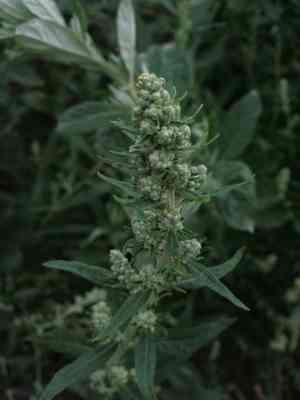
California mugwort (Artemisia douglasiana)
Also known as: Dream plant
Artemisia douglasiana, also known as California Mugwort, is an aromatic plant in the Sunflower family. It holds significant cultural importance, being used by numerous Native American tribes in their sacred rituals.
In This Article
Attributes of California mugwort
Lifespan
Perennial
Plant Type
Herb
Plant Height
50 cm to 2.5 m
Spread
45 cm to 60 cm
Leaf Color
Green
Flower Size
2 mm to 4 mm
Flower Color
White Yellow Green
Images of California mugwort
Quickly Identify California mugwort
1
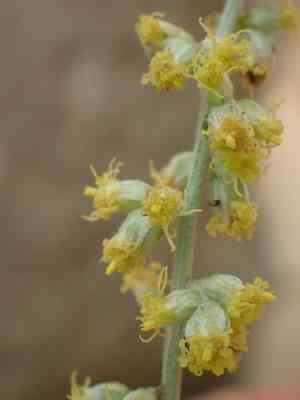
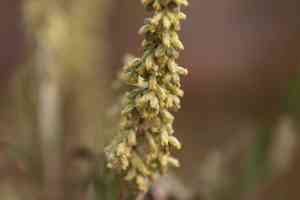
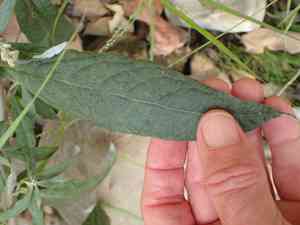
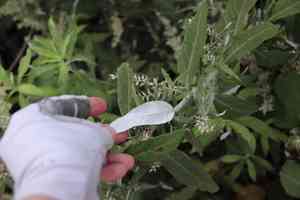
Artemisia douglasiana can be identified by its distinctively aromatic and deeply lobed leaves, which are green above and white-felted underneath. The plant typically has upright stems and can produce small, yellowish flowers in late summer.
Scientific Classification of California mugwort
Phylum
Vascular plants
Class
Dicotyledons
Order
Asterales
Family
Daisy
Genus
Mugworts
Species
California mugwort
Planting and Growing of California mugwort
Care Difficulty
Easy
Watering Schedule
Every 2 days
Sunlight Requirements
Full sun
Sunshine Duration
6-10 hours
Ideal Temperature
60-75℉
Soil Type
Potting Mix, Peat Mix
Soil pH
6.5-7.5
Fertilizer Type
Balanced
Pruning Season
Spring, Summer
Pruning Area
Branches, Leaves
Pruning Frequency
2 times a year
Repotting Season
Spring
Pot Type
Plastic, Ceramic
 How to Water California mugwort?
Artemisia douglasiana, commonly known as mugwort, thrives with a moderate watering schedule. Ensure that the plant receives approximately 250 milliliters of water each session. It is crucial to let the soil become dry to the touch between waterings, as this plant is somewhat drought-tolerant and too much water can be detrimental. The goal is to moisten the soil evenly but not to the point where water pools at the bottom of the pot or the plant sits in water for prolonged periods.
What are the symptoms of an underwatered California mugwort?
›
What should I do if my California mugwort is not getting enough water?
›
What are the symptoms of an overwatered California mugwort?
›
How to save an overwatered California mugwort?
›
 What Are the Sunlight Requirements for California mugwort?
Mugwort prospers in environments offering full sun to partial sun. Ideal lighting encourages robust growth, vibrant leaf color, and enhances aromatic properties, vital for both aesthetic and practical uses.
More About Sunlight Requirements Techniques→
What is the ideal lighting condition for Artemisia douglasiana?
›
How can one achieve the ideal light conditions for Mugwort?
›
What benefits does Artemisia douglasiana gain from optimal lighting conditions?
›
 What Is the Ideal Temperature Range for California mugwort?
The ideal temperature range for Artemisia douglasiana, commonly known as Douglas' Sagewort, is between 60°F and 75°F. This range ensures optimal growth and metabolism. Temperatures within this range allow the plant to carry out photosynthesis efficiently, maintain proper cell function, and enhance nutrient absorption. The consistent warmth within these temperatures supports the plant's natural growing cycle, promoting healthy foliage and potential flowering.
 What Soil is Best for California mugwort?
Artemisia douglasiana thrives in well-drained soil, which helps prevent root rot by not allowing water to sit at the plant's roots. This type of soil facilitates robust root development crucial for the plant's health. This plant prefers soil with moderate fertility. Overly rich soil can lead to excessive foliage growth that may compromise its natural form and vigor, while nutrient-poor soil might restrain its growth potential. Artemisia douglasiana can tolerate a pH range from slightly acidic to neutral, enabling it to absorb nutrients effectively. A pH range between 6.5 to 7.5 provides optimal conditions for nutrient uptake and growth.
 How to Fertilize California mugwort?
Artemisia douglasiana, commonly known as Douglas' mugwort, thrives best with balanced and moderate fertilization. Typically, a diluted liquid fertilizer, at half the recommended strength, is sufficient. Approximately 100ml of this diluted solution per plant is adequate to meet its nutritional needs during the growing season. For slow-release fertilizers, using about 1 tablespoon spread evenly around the base should suffice.
 How to Prune California mugwort?
Begin by inspecting the plant and removing any dead or diseased branches. Follow by cutting back any overly long or untidy stems to encourage a well-rounded shape. Trim the plant to keep it within the desired height. Remember to prune back to just above a leaf node to stimulate new growth. Start pruning in early Spring to initiate fresh growth and continue with minor trims throughout the Summer as needed. Ensure even cuts and try to maintain symmetry for the plant’s overall aesthetics. A gentle hand is vital to prevent cutting back too harshly, which could hinder the plant's health.
More About Pruning Techniques→
 How to Propagate California mugwort plant?
1
Start by selecting a well-drained soil mix in seed trays or pots. Moisten the soil before planting seeds to provide the right environment for germination. Ensure seeds have the necessary light by placing them in a bright location but away from direct sunlight.
2
Choose healthy stems from the parent plant for cuttings. Cut below a node to a length of about 4-6 inches. Remove lower leaves to reduce water loss, and dip the cuttings into rooting hormone to promote root development.
3
Divide established plants when new growth emerges in the spring. Lift clumps carefully using a spade and separate them into smaller sections with roots intact. Replant immediately to prevent the roots from drying out.
 How to Repot California mugwort plant?
1
Keep an eye out for roots protruding from drainage holes, or if the soil seems to dry excessively quickly. A lack of growth or wilting despite adequate watering can also indicate it's time to repot. Observing these signals around springtime allows the plant to settle before active growth.
2
Select a pot that is 1-2 inches larger in diameter than the current one to allow room for root expansion. Ensure it has drainage holes to prevent water buildup, which could lead to root rot. Opting for a breathable material like terracotta can help regulate moisture levels.
3
Opt for a well-draining potting mix consisting of sand, perlite, and peat for optimal aeration and moisture balance. This allows Artemisia douglasiana roots to breathe while retaining enough moisture to nourish them, reducing the risk of overwatering.
Learn More About California mugwort Diseases
Anthracnose
Bacterial Leaf Spot
Bacterial Wilt
Chemical Injury
Cyst Nematode
Damping-off
Downy Mildew
Drought Stress
Fusarium Wilt
Gray Mold
Leaf Spot
Mosaic
Nutrient Deficiency
Nutrient Toxicity
Powdery Mildew
Root Rot
Root-knot Nematode
Rusts
Sooty Mold
Spider Mites
Temperature Stress
Thrips Damage
White Mold



