How to Transplant Carruth's sagewort?
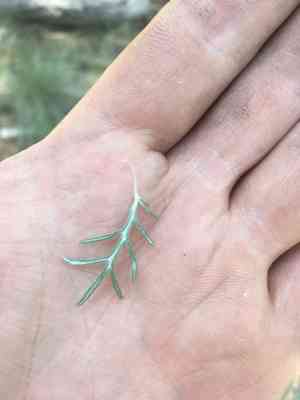
For best development, Carruth's sagewort ought to be relocated between early and late spring. Select a bright, adequately drained spot to guarantee successful integration. Following transplantation, irrigate sparingly; refrain from excessively moist environments to avert root decay.
What Preparations are Needed Before Transplanting Carruth's Sagewort?
What is the Ideal Time for Transplanting Carruth's Sagewort?
The best period for relocating carruth's sagewort is from early to late spring, when the ground is warming and moisture levels remain high. Moving them during this time allows carruth's sagewort to develop strong root systems before summer heat. This timing minimizes stress from the move and maximizes growth potential, leading to healthier and more robust development.
How Much Space Should You Leave Between Carruth's Sagewort Plants?
For a flourishing and healthy garden, transplant carruth's sagewort with a separation of 18-24 inches (45-60 cm) between them. This provides each plant ample room to grow and expand without overcrowding other plants.
What is the Best Soil Mix for Carruth's Sagewort Transplanting?
Prepare soil that drains well, enriched with compost to boost nutrient content. Incorporating a balanced, all-purpose granular fertilizer before transplanting can give carruth's sagewort a strong start.
Where Should You Relocate Your Carruth's Sagewort?
Select a sunny location for transplanting carruth's sagewort, as this plant thrives in full sun. Ensure it receives at least 6 hours of direct sunlight daily.
What Equipments Should You Prepare Before Transplantation Carruth's Sagewort?
Gardening Gloves
To safeguard your hands while handling soil and plants.
Shovel or Spade
For excavating the plant and preparing the new planting site.
Trowel
Useful for smaller digging tasks and adjusting planting holes.
Pruning Shears
To trim any damaged roots or stems.
Wheelbarrow (optional)
For moving the plant, especially if its root ball is large.
Watering Can or Hose
To hydrate the plant before and after relocation.
Mulch
To help maintain soil moisture after transplanting.
How Do You Remove Carruth's Sagewort from the Soil?
How Do You Remove Carruth's Sagewort from the Soil?
From Ground: First, water the carruth's sagewort plant to moisten the soil. Next, dig a wide trench around the plant using a shovel or spade, ensuring the plant's root ball remains intact. Carefully work the spade beneath the root ball to lift the plant from its original spot.From Pot: Water the carruth's sagewort plant thoroughly to ensure the soil is well-hydrated. Gently tap the sides and bottom of the pot to loosen the soil, then carefully slide the plant and its root ball out of the pot, supporting the root ball to avoid disturbing it.From Seedling Tray: Water the seedlings beforehand. Support the seedling by its leaves (not the stem) and use a trowel to gently lift it out, ensuring you keep as much of the root system intact as possible.
Step-by-Step Guide for Transplanting Carruth's Sagewort
Site Preparation
Prepare the new planting location by digging a hole that is twice as wide but no deeper than the root ball of the carruth's sagewort plant.
Amending the Soil
If needed, improve the soil in the hole by mixing in compost to ensure proper drainage and nutrient availability for the carruth's sagewort plant.
Placing the Plant
Position the carruth's sagewort plant into the hole, making sure that the top of the root ball is level with the ground surface.
Filling the Hole
Gently backfill the hole with soil, firming it around the roots to eliminate air pockets without overly compacting the soil.
Watering
Thoroughly water the plant to settle the soil around the root ball and to provide initial moisture for the plant.
Mulching
Apply a layer of mulch around the base of the plant to help retain moisture and regulate soil temperature.
How Do You Care For Carruth's Sagewort After Transplanting?
Watering
Keep the soil around the carruth's sagewort consistently moist, but not waterlogged, for the first few weeks after transplanting to help establish strong roots.
Monitoring
Regularly check the plant for signs of stress such as wilting or yellow leaves, and adjust care as necessary.
Weed Control
Keep the area around the carruth's sagewort plant free from weeds that can compete for nutrients and water.
Protection
If necessary, protect the newly transplanted carruth's sagewort plant from pests and extreme weather conditions such as frost or heavy rains.
Troubleshooting Common Issues with Carruth's Sagewort Transplantation.
When is the best time to transplant carruth's sagewort?
Relocate carruth's sagewort from early spring to late spring for optimal growth and reduced stress.
What kind of soil is best for carruth's sagewort?
Carruth's sagewort thrives in well-draining, sandy or loamy soil with a pH between 6.0 and 7.0.
How much space should I leave between carruth's sagewort plants?
Space carruth's sagewort plants 18-24 inches (45-60 cm) apart to ensure proper air circulation and growth.
How do I prepare the transplant site for carruth's sagewort?
Prepare the site by removing weeds, loosening the soil, and adding organic compost for nutrients.
How deep should I plant carruth's sagewort seedlings?
Plant carruth's sagewort seedlings at the same depth they were growing in their original containers.
How do I handle the roots when transplanting carruth's sagewort?
Gently loosen the roots of carruth's sagewort before planting to encourage better establishment in the new soil.
Should I water carruth's sagewort immediately after transplanting?
Water carruth's sagewort thoroughly right after transplanting to help settle the soil and reduce transplant shock.
How can I reduce transplant shock in carruth's sagewort?
Transplant carruth's sagewort on a cloudy day, water well, and consider using a root stimulator solution to help.
What kind of mulch is best for carruth's sagewort after transplanting?
Use organic mulch like straw or wood chips around carruth's sagewort to retain moisture and prevent weed growth.
How often should I water carruth's sagewort after transplanting?
Water carruth's sagewort regularly for the first few weeks, keeping the soil consistently moist but not waterlogged.



