How to Transplant Oriental columbine?
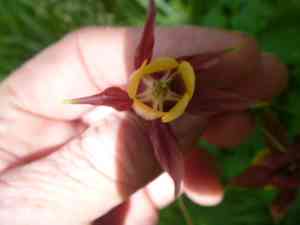
The optimal period for transplanting oriental columbine extends from the cessation of frost until flower buds emerge, facilitating root integration. Select locations offering filtered light; fertile, adequately draining earth encourages robust growth after relocation. Careful manipulation of the root system aids in smooth adaptation.
What Preparations are Needed Before Transplanting Oriental Columbine?
What is the Ideal Time for Transplanting Oriental Columbine?
The best period to relocate oriental columbine is from the start of spring until the beginning of early summer. This timeframe offers the most favorable conditions for oriental columbine, enabling their root systems to firmly establish before the summer heat. Moving oriental columbine during this window ensures they receive sufficient sunlight and moderate temperatures, fostering robust development. As oriental columbine adapt to their new surroundings, they benefit from spring rainfall, which aids in strong root formation. Additionally, the soil is manageable and not overly compacted, making it easy for gardeners. Supporting oriental columbine's journey during its prime will undoubtedly lead to thriving outcomes!
How Much Space Should You Leave Between Oriental Columbine Plants?
Hello! When relocating oriental columbine, you'll want to provide each plant ample room to grow and flourish. Aim for a separation of 12-18 inches (30-46 cm) between each specimen. This will allow their roots to expand and the foliage to develop beautifully.
What is the Best Soil Mix for Oriental Columbine Transplanting?
For oriental columbine, the correct soil is crucial! Select a well-draining soil, abundant in organic material. Prior to transplanting, enrich the soil with a balanced, slow-release fertilizer to give your plants a strong start. A light application according to package directions is sufficient.
Where Should You Relocate Your Oriental Columbine?
Regarding light, oriental columbine thrives in a spot where it can enjoy some sun but also appreciate a degree of shade, particularly in warmer climates. A location that provides morning sun and afternoon shade would be perfect to keep your oriental columbine vibrant and healthy!
What Equipments Should You Prepare Before Transplantation Oriental Columbine?
Gardening Gloves
To safeguard your hands while handling soil and plants.
Spade or Shovel
To excavate the plant and create a new planting site.
Watering Can or Hose
To hydrate the oriental columbine before and after relocation.
Pruning Shears
To trim any dead or excessively long root structures.
Measuring Tape
To ensure proper spacing between transplanted specimens.
Wheelbarrow or Garden Cart
To transport the oriental columbine if it's heavy or to move soil.
Garden Fork
To loosen the earth around the designated planting area.
Mulch
To help retain moisture and stabilize soil temperature post-transplant.
How Do You Remove Oriental Columbine from the Soil?
How Do You Remove Oriental Columbine from the Soil?
From Ground: Thoroughly water the oriental columbine before beginning the transplant process. Dig a wide circle around the plant with a spade, going deep enough to encompass the entire root ball. Use the spade or garden fork to gently lift the plant from the ground.From Pot: Water the oriental columbine and gently tap the pot's sides to loosen the soil. Tilt the pot sideways and carefully ease the plant out while supporting the soil with your other hand.From Seedling Tray: Water the seedlings well. Use a spoon or a small gardening tool to lift each individual oriental columbine seedling, attempting to keep as much soil around the roots as possible.
Step-by-Step Guide for Transplanting Oriental Columbine
Preparation
Ready the new planting location by loosening the soil with a garden fork to aid root expansion.
Root Inspection
Examine the oriental columbine's root ball for any damaged or deceased roots and trim them using pruning shears.
Planting Hole
Excavate a hole in the prepared spot that is twice the width of the oriental columbine's root ball, but no deeper than its original growing level.
Placement
Position the oriental columbine in the center of the hole, ensuring it stands upright and at the correct depth.
Refilling
Carefully backfill the hole with the removed soil, gently patting it down to eliminate air pockets.
Watering
Water the oriental columbine generously after planting to help settle the soil and provide moisture to its roots.
Mulching
Apply a layer of mulch around the base of the oriental columbine without touching the stem to help maintain soil moisture.
How Do You Care For Oriental Columbine After Transplanting?
Monitoring
Regularly check the oriental columbine for signs of stress like wilting or discolored leaves and provide water when necessary.
Mulching
Replenish the mulch layer as needed to conserve moisture and suppress weeds.
Supporting
If the oriental columbine shows signs of leaning or instability, use stakes or supports to assist in establishing an upright growth.
Pruning
Remove any dead or discolored flowers and foliage to promote healthy growth and potential reflowering.
Troubleshooting Common Issues with Oriental Columbine Transplantation.
Why is my oriental columbine wilting after transplanting?
Post-transplant wilting may indicate shock. Ensure gentle handling, proper watering, and partial shade to aid recovery.
What's the best time to transplant oriental columbine?
Optimal transplanting time for oriental columbine is when temperatures are mild, typically early to late spring.
What spacing should I use when planting oriental columbine?
For ideal growth, space oriental columbine approximately 12-18 inches (30-45 cm) apart to allow ample room for expansion.
How deep should the hole be for transplanting oriental columbine?
The hole should be as deep as the root ball and twice as wide to encourage root development.
How much should I water oriental columbine after transplanting?
Water oriental columbine generously after transplanting to settle the soil, then regularly to maintain moist soil.
Can I transplant oriental columbine on a hot, sunny day?
Transplanting oriental columbine on a cool, overcast day is ideal to reduce transplant shock and evaporation.
What soil type is best for transplanting oriental columbine?
Use well-draining soil rich in organic matter to provide oriental columbine with the best growing conditions.
How to protect oriental columbine from transplant shock?
Minimize root disturbance, water thoroughly, and provide shade for the first few days to prevent shock.
Is fertilizing necessary immediately after transplanting oriental columbine?
Wait 4-6 weeks before fertilizing to allow oriental columbine to establish in its new location first.
Why are my oriental columbine leaves turning yellow after transplanting?
Yellow leaves may indicate overwatering, underwatering, or nutrient deficiency. Adjust care accordingly.



