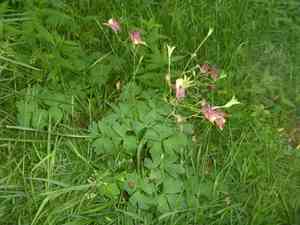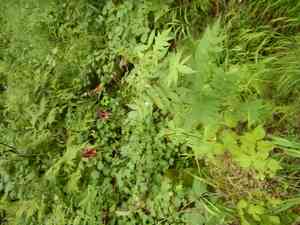
Oriental columbine(Aquilegia oxysepala)

Oriental columbine (Aquilegia oxysepala)

Also known as: Red Columbine, Eastern Columbine

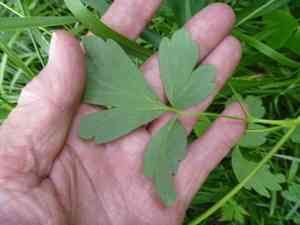
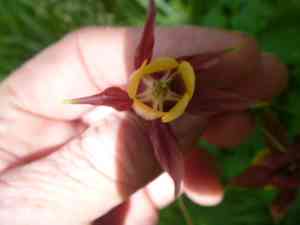
The stem is about 30 to 70 cm in height. The rooted leaves are bunched, with 3 double emergence twice, the petiole length is 15 to 25 cm, and the leaves on the top of the stem are 3 double emergence once. The leaflet is fan-shaped, the tip of the leaf splits 2-3, and the fragments split 2-3 further. The flower blooms downward, the flower diameter is 3 to 3.5 cm, the number of sepals is five, narrow egg-shaped, the number of petals is five, and the length is 1.2 to 2.5 cm. The base of the petal extends long behind and becomes a distance, and wraps inside. The petals are yellow, and the color of the sepals and the distance is blue-purple-brown. The fruit becomes a sac and the glandular hair grows densely.

Attributes of Oriental columbine

Lifespan
Perennial
Plant Type
Herb
Plant Height
30 cm to 46 cm
Spread
30 cm
Leaf Color
Green
Flower Size
2.5 cm to 5 cm
Flower Color
White Yellow Red Purple Blue Green

ForwardPlant - Identify plants with a snap

Identify and diagnose plants, get toxicity alerts, and explore safety guides for all types of fungi.

Try for Free

Images of Oriental columbine

Oriental columbine(Aquilegia oxysepala)

Quickly Identify Oriental columbine

1
Identify Aquilegia oxysepala by its bell-shaped flowers with five distinctive spurs and lobed, fern-like leaves. The flowers usually droop downwards and have a unique configuration that is asymmetrical.

Scientific Classification of Oriental columbine

Phylum
Vascular plants
Class
Dicotyledons
Order
Ranunculales
Family
Buttercup
Genus
Columbine
Species
Oriental columbine

Planting and Growing of Oriental columbine

Care Difficulty
Easy
Watering Schedule
Every 3 days
Sunlight Requirements
Partial sun
Sunshine Duration
4-6 hours
Ideal Temperature
59-68℉
Soil Type
Potting Mix, Peat Mix
Soil pH
6.5-7.5
Fertilizer Type
Balanced
Pruning Season
Spring, Summer
Pruning Area
Branches, Leaves
Pruning Frequency
2 times a year
Repotting Season
Spring
Pot Type
Plastic, Ceramic

water icon How to Water Oriental columbine?

Aquilegia oxysepala should be watered thoroughly until the soil is evenly moist but not waterlogged. Ensure the water reaches a depth of about 6 inches, which promotes deep root growth and healthy plant development. Using around 250 milliliters per watering session should suffice, adjusting slightly based on the pot size and environmental conditions.
What are the symptoms of an underwatered Oriental columbine? ›
What should I do if my Oriental columbine is not getting enough water? ›
What are the symptoms of an overwatered Oriental columbine? ›
How to save an overwatered Oriental columbine? ›

sunlight icon What Are the Sunlight Requirements for Oriental columbine?

Sunlight Requirements: Partial sun, Full shade
Duration of light: 4 to 6 hours
Aquilegia oxysepala prefers partial to full shade, which supports vibrant blooms and reduces stress, ensuring a long and healthy life cycle for the plant.
What type of sunlight does Aquilegia oxysepala prefer? ›
How can you ensure Aquilegia oxysepala gets its ideal light? ›
What are the benefits of optimal lighting for Aquilegia oxysepala? ›

temperature icon What Is the Ideal Temperature Range for Oriental columbine?

Ideal Temperature: 59 ~ 68℉
The ideal temperature range of 59 to 68°F is important for Aquilegia oxysepala as it ensures optimal growth and development. Temperatures within this range allow the plant to carry out photosynthesis effectively, maintain metabolic functions, and resist stress factors like pests and diseases.

soil icon What Soil is Best for Oriental columbine?

Soil type: Loam, Sandy loam, Clay soil
Soil PH: 6.5 ~ 7.5
Aquilegia oxysepala thrives in soil that retains moisture well without becoming waterlogged. This is crucial to maintain a consistent water supply for the plant, promoting healthy growth and vibrant blooms. This plant prefers soil rich in organic matter, which provides essential nutrients needed for robust flowering and foliage. A nutrient-rich soil supports overall plant health, leading to more resilient and beautiful blooms. Well-draining soil prevents root rot by allowing excess water to escape, which is vital for the plant's survival. Ensuring good drainage helps maintain a healthy root system, providing a stronger foundation for growth.

fertilize icon How to Fertilize Oriental columbine?

Fertilizer type: Balanced
For Aquilegia oxysepala, apply a moderate amount of fertilizer. Use a balanced 10-10-10 liquid fertilizer diluted to half strength. Approximately 100 ml of this solution suffices for a medium-sized plant. Avoid excessive application, as it can burn the roots. Solid, slow-release fertilizers should be around 30 grams, evenly distributed.

prune icon How to Prune Oriental columbine?

Pruning Time: Spring, Summer
Inspect the plant for any dead or diseased stems. Cut these back to healthy tissue to promote better growth and prevent the spread of disease. Trim back any overly long or awkwardly placed stems to maintain the plant's shape. This also ensures even distribution of sunlight and air circulation. Once the flowers have faded, cut back the flower stalks to encourage a second flush of blooms and tidier appearance. More About Pruning Techniques→

propagate icon How to Propagate Oriental columbine plant?

Propagate Time: Spring, Early spring, Late spring
1
Begin by selecting mature and healthy seeds from the plant. This increases the chances of successful germination and growth.
2
Prepare a well-draining soil mix with equal parts of garden soil, sand, and compost to ensure the plant gets sufficient nutrients and has proper drainage.
3
Sow the seeds evenly in the prepared soil at a depth of about 1/4 inch, then lightly cover them with soil to prevent them from drying out.

repot icon How to Repot Oriental columbine plant?

Repotting frequency: Every 2-3 years
1
Repotting Aquilegia oxysepala is best done when you notice roots starting to spiral around the pot's base or when growth seems stunted. Observing these cues ensures that the plant is not stressed unnecessarily, allowing it to thrive once given more space.
2
Choose a pot that is just one size larger than the current one, ensuring it has good drainage holes. This prevents waterlogging, which can stress the Aquilegia oxysepala, making it susceptible to root rot, and promotes healthy moisture levels.
3
Opt for a well-draining loamy mix rich in organic matter, which crucially provides nutrients while maintaining adequate drainage. This soil type balances moisture retention and aeration, critical for preventing root diseases and encouraging strong root development.

ForwardPlant - Identify plants with a snap

Find the best spots for them to optimize their health, simply using your phone.

Try for Free

Toxicity

Ingestion, skin contact

Identify toxic plants for your safety

Learn which plants are harmful to you and your pets, and make informed choices for a safer home!

Try for Free
WARNING
The judgment on toxicity and danger is for reference only. We DO NOT GUARANTEE any accuracy of such judgment. Therefore, you SHALL NOT rely on such judgment. It is IMPORTANT TO SEEK PROFESSIONAL ADVICE in advance when necessary.