How to Transplant Cow parsley?
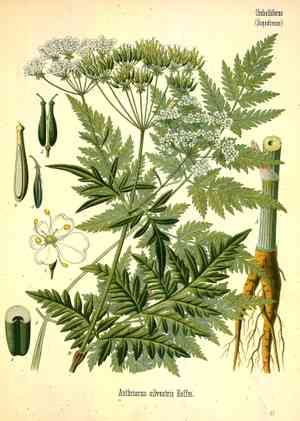
For cow parsley, the peak of spring leading into early summer offers an ideal developmental phase. Select a location with partial shade and soil that drains effectively. When relocating cow parsley, minimizing root disruption assists in successful integration.
What Preparations are Needed Before Transplanting Cow Parsley?
What is the Ideal Time for Transplanting Cow Parsley?
The most suitable period for relocating cow parsley is the transition from late spring to early summer. This timing aligns with its natural growth cycle, enabling cow parsley to establish roots prior to the peak summer heat. Transplanting during this window leverages warm soil temperatures and extended daylight, which promote robust growth. Furthermore, transplanting at this season ensures cow parsley has ample time to adjust to its new surroundings before enduring the rigors of winter conditions. Selecting this optimal timeframe will help guarantee successful establishment and a vibrant display the following year.
How Much Space Should You Leave Between Cow Parsley Plants?
When transplanting cow parsley, aim to position each plant approximately 1.5-2 feet (45-60 cm) apart. This provides sufficient room for each plant to develop and thrive without competing for resources. Don't be concerned if it appears to be a lot of space; cow parsley will adequately fill it in!
What is the Best Soil Mix for Cow Parsley Transplanting?
Before transplanting cow parsley, ensure your soil drains well and possesses moderate fertility. Incorporate a foundational layer of slow-release fertilizer to encourage healthy development. You might also blend in some compost to enhance soil structure and nutrient levels. Striving for a loamy soil type will keep your cow parsley content!
Where Should You Relocate Your Cow Parsley?
Creating an optimal environment for cow parsley involves considering its light requirements. Cow parsley flourishes in conditions ranging from full sun to partial shade, making it adaptable to various garden locations. Remember, the chosen area should receive at least 4-6 hours of direct sunlight daily for the best outcomes!
What Equipments Should You Prepare Before Transplantation Cow Parsley?
Gardening Gloves
Crucial for safeguarding your hands from dirt, sharp root structures, and any insects present in the soil.
Garden Spade
To aid in excavating the cow parsley from its initial planting spot.
Trowel
It's smaller than a spade and is excellent for working in confined areas, such as extracting the cow parsley from a container or tray.
Wheelbarrow or Garden Cart
These will assist in moving the plant and garden soil.
Watering Can or Hose
To hydrate the cow parsley before, during, and after transplantation.
Plant Tags or Labels
Useful for keeping track of transplant dates and specific variety information.
How Do You Remove Cow Parsley from the Soil?
How Do You Remove Cow Parsley from the Soil?
From Ground: Begin by moistening the soil surrounding the cow parsley plant. This facilitates easier root extraction without damage. Then, use a garden spade to carefully dig around the plant, ensuring the root ball remains intact. Gradually work the spade beneath the root ball, taking care not to harm the roots as you free the plant from its original position.From Pot: If the cow parsley plant is in a pot, water it thoroughly, then turn the pot on its side. If necessary, you can tap the sides or bottom of the pot to loosen the soil and roots. Gently pull the plant out while keeping the root ball whole.From Seedling Tray: Water the seedlings first. Then, push the bottom of the tray beneath the cow parsley plant's cell to loosen the soil and roots. Carefully hold the seedling by its leaves (never by the stem or roots), and lift it from the tray.
Step-by-Step Guide for Transplanting Cow Parsley
Preparation
Once you have removed the cow parsley from its original spot, select a new location with a hole that is twice as wide and equally deep as the root ball. Loosen the soil at the bottom of this hole.
Placing the Plant
Position the cow parsley in the hole. The top of the rootball should be at the same level as it was growing in its previous location. If needed, you can add some soil back into the hole before placing the plant.
Backfilling
Refill the hole with the same soil you removed, pressing down gently but firmly around the roots. There's no need to compact it excessively, as this can hinder root expansion.
Watering
After placing the cow parsley in the hole, provide it with a thorough watering. Do not merely sprinkle the surface; ensure deep watering to encourage downward root growth.
Labeling
Tag the cow parsley with a plant marker or label, noting the date of transplantation.
How Do You Care For Cow Parsley After Transplanting?
Watering
For the initial few weeks, it's crucial to maintain consistent moisture in the soil around the cow parsley without overwatering. The plant will be developing new roots in its new location, and these roots require good contact with moist soil.
Checking and Adjusting
Monitor the cow parsley closely over the subsequent weeks. If it begins to droop or wilt, you might need to provide additional water or temporary shade.
Mulching
Applying a layer of mulch can help retain soil moisture and minimize weed competition. It offers an additional layer of protection for your newly transplanted cow parsley.
Pruning
Some plants benefit from being trimmed back at the time of transplanting. This reduces the water demand from the foliage, allowing the plant to prioritize energy towards root development.
Troubleshooting Common Issues with Cow Parsley Transplantation.
What is the best time to transplant cow parsley?
The optimal transplanting times are the late summer to early autumn seasons (S3-S4). The milder weather promotes root establishment.
How far apart should cow parsley be planted?
For healthy growth, allocate a distance of 1.5-2 feet (45-60 cm) between each cow parsley. This prevents overcrowding and ensures adequate nutrients.
Why is my cow parsley wilting after transplantation?
Post-transplant wilting is common and typically results from transplant shock. Keep the soil consistently moist to help cow parsley adapt.
My transplanted cow parsley isn't growing. What could be wrong?
Ensure cow parsley is getting adequate sunlight, water, and nutrients. Also, check for pests and disease as these can stunt growth.
How deep should I plant cow parsley?
Dig a hole twice the width and the same depth as the root ball. This will allow cow parsley to establish roots comfortably.
Can I transplant cow parsley in the spring?
Although possible, it's not the best time. The hot summer can stress cow parsley before it has fully established. Aim for late summer to early autumn.
What kind of soil is best for transplanting cow parsley?
Cow parsley prefers well-drained, fertile soil. If soil quality is poor, consider adding compost or organic matter to improve its nutrient content.
Could improper transplanting technique affect cow parsley growth?
Yes, mishandling during transplanting can damage the roots, leading to stunted growth. Handle cow parsley gently to avoid damaging its root system.
What are signs of a successful cow parsley transplant?
Thriving cow parsley will exhibit vigorous growth, new shoots, and healthy color. Wait for a few weeks post-transplanting to see these signs.
How much water does cow parsley need after being transplanted?
Cow parsley likes moist soil, but not soggy. Water well after planting, then maintain a regular watering schedule, paying attention to the soil's moisture level.



