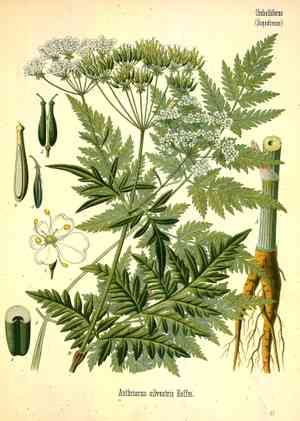
Cow parsley(Anthriscus sylvestris)

Cow parsley (Anthriscus sylvestris)

Also known as: Cow Parsley, Wild Chervil, Keck

Cow parsley, a short-lived perennial herb, is best avoided due to its strong resemblance to toxic plants like poison hemlock and fool’s parsley. This similarity has even earned it the nickname "mother-die." Additionally, cow parsley can become invasive, overshadowing native grasses and potentially increasing soil erosion by reducing the presence of stabilizing root systems.

Attributes of Cow parsley

Lifespan
Biennial, Perennial, Annual
Plant Type
Herb
Plant Height
60 cm to 1.5 m
Spread
30 cm to 60 cm
Leaf Color
Green
Flower Size
2.5 cm to 8 cm
Flower Color
White

ForwardPlant - Identify plants with a snap

Identify and diagnose plants, get toxicity alerts, and explore safety guides for all types of fungi.

Try for Free

Images of Cow parsley

Cow parsley(Anthriscus sylvestris)

Quickly Identify Cow parsley

1
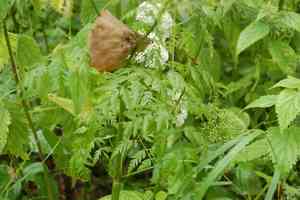
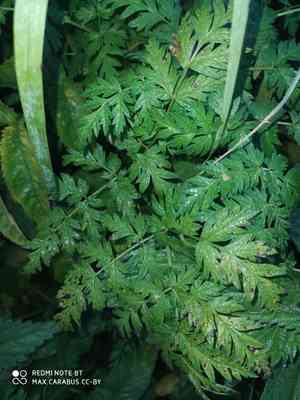
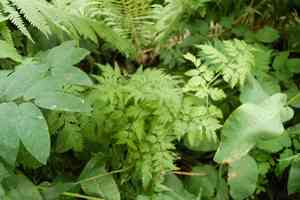
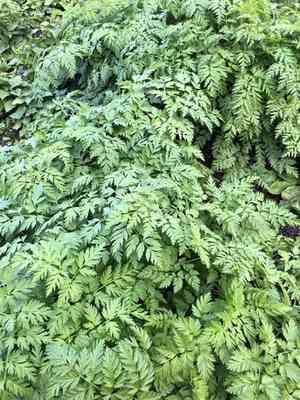
To identify Cow Parsley, look for its finely divided, fern-like leaves and its distinctive white flower clusters that form an umbrella shape. The stems are hollow and slightly ridged, and the plant has a characteristic fresh, slightly aniseed-like scent.

Scientific Classification of Cow parsley

Phylum
Vascular plants
Class
Dicotyledons
Order
Apiales
Family
Umbellifers
Genus
Chervils
Species
Cow parsley

Planting and Growing of Cow parsley

Care Difficulty
Easy
Watering Schedule
Every 3 days
Sunlight Requirements
Full sun
Sunshine Duration
4-8 hours
Ideal Temperature
60-70℉
Soil Type
Potting Mix, Peat Mix
Soil pH
6.5-7.5
Fertilizer Type
Balanced
Pruning Season
Spring, Summer
Pruning Area
Branches, Leaves
Pruning Frequency
2 times a year
Repotting Season
Spring
Pot Type
Plastic, Ceramic

water icon How to Water Cow parsley?

When watering Anthriscus sylvestris, aim to moisten the soil deeply without causing it to become waterlogged. Approximately 500 milliliters per watering session is ideal, ensuring the soil remains evenly moist but not soggy.
What are the symptoms of an underwatered Cow parsley?
What should I do if my Cow parsley is not getting enough water?
What are the symptoms of an overwatered Cow parsley?
How to save an overwatered Cow parsley?

sunlight icon What Are the Sunlight Requirements for Cow parsley?

Sunlight Requirements: Full sun, Partial sun
Duration of light: 4 to 6 hours
Anthriscus sylvestris flourishes in conditions ranging from full sun to partial sun. Providing these light levels encourages vibrant growth, supports comprehensive photosynthesis, and encourages abundant flowering, enhancing its appeal in your garden.
Light Intensity
Sunlight Positioning
Sunlight Duration

temperature icon What Is the Ideal Temperature Range for Cow parsley?

Ideal Temperature: 60 ~ 70℉
Anthriscus sylvestris thrives best in temperatures ranging from 60°F to 70°F. This range ensures optimal photosynthesis while preventing stress on the plant. Maintaining this temperature range will support robust growth and healthy foliage. It's important to monitor your growing environment to keep the temperature stable within this ideal range for the best results.

soil icon What Soil is Best for Cow parsley?

Soil type: Loam, Sandy loam
Soil PH: 6.5 ~ 7.5
Anthriscus sylvestris thrives in moist soil conditions. Adequate moisture retention maintains vital hydration, preventing wilting and promoting lush, vigorous growth. Nutrient-rich loams are essential for optimal growth. The abundant supply of essential nutrients ensures the development of healthy foliage and robust plant architecture. It requires excellent drainage to avoid root rot. Well-drained soils facilitate gas exchange, promoting healthy root systems and enabling maximum nutrient absorption.

fertilize icon How to Fertilize Cow parsley?

Fertilizer type: Balanced
Anthriscus sylvestris thrives with a balanced nutrient supply. Use a general-purpose liquid fertilizer diluted to half strength every two weeks during the growing season. For slow-release fertilizers, apply about 20 grams per square meter annually, scattered evenly around the plant's base.

prune icon How to Prune Cow parsley?

Pruning Time: Spring, Summer
Begin by removing any dead or damaged stems from Anthriscus sylvestris. Use sharp, clean pruning shears to make clean cuts. Focus on shaping the plant by trimming back overgrown areas, ensuring a balanced appearance. Target stems that are growing too far beyond the foliage mass. Finish by cutting back any spent flower heads to encourage new growth and prolong the blooming period. To optimize the growth of your Anthriscus sylvestris, aim to prune the plant in early Spring, just as new growth begins. This timing allows the plant to recover quickly and grow vigorously. Space out additional pruning sessions during Summer to manage excessive growth and maintain its shape. Removing old or crossing branches will open the plant's center, allowing light and air circulation, which reduces the risk of disease.

propagate icon How to Propagate Cow parsley plant?

Propagate Time: Early spring, Spring, Late spring
1
Collect seeds from mature Anthriscus sylvestris plants in late summer when they have dried on the plant. Carefully remove the seed heads to avoid seed loss, and store them in a dry, cool place until ready to sow.
2
Take cuttings from a healthy plant during early spring. Select non-flowering stems and cut them with a sharp tool. Each cutting should be around 10cm long, with several leaves attached. Remove the lower leaves before planting.
3
Division can be performed in spring when new growth starts. Carefully dig up the plant and separate it into smaller sections, ensuring each has roots. Replant the divisions in well-prepared soil immediately to minimize stress.

repot icon How to Repot Cow parsley plant?

Repotting frequency: Biennially
1
Anthriscus sylvestris signals it's time for repotting when the roots begin emerging from the drainage holes or when growth noticeably slows. Repotting should ideally be done in spring or summer, when the plant is actively growing. The increased daylight and warmth help the plant recover from the stress of repotting.
2
Select a pot that is one size larger than the current one, ensuring it has adequate drainage holes. A slightly larger pot prevents excessive soil saturation, which can lead to root rot, while still providing enough space for root expansion. The chosen pot should complement the plant’s natural aesthetics with a neutral tone to highlight its delicacy.
3
Opt for a loamy, well-drained soil mix that retains moisture while allowing excess water to escape. This mix mimics the plant's natural habitat, promoting healthy root development and preventing waterlogged conditions that lead to root diseases. A soil with organic matter ensures nutrients are steadily available.

ForwardPlant - Identify plants with a snap

Find the best spots for them to optimize their health, simply using your phone.

Try for Free

Toxicity of Cow parsley

Is Cow parsley toxic to cat?

Cow parsley exhibits mild toxicity in cats. When ingested in significant quantities, every part of the cow parsley plant can pose a poison risk to felines. Contact with this plant can lead to cats displaying general symptoms of unease or illness. Given the associated dangers, it is essential to supervise cats' encounters with cow parsley and to keep this plant inaccessible. Should there be indications that a cat has consumed cow parsley, it is imperative to obtain prompt veterinary assistance to safeguard the pet's health and well-being.

Is Cow parsley toxic to dog?

Cow parsley presents a mild toxic threat to dogs. Although it is not extremely toxic, consuming it in significant amounts can result in poisoning. Any part of the plant can cause poisoning, as all parts harbor the toxic compounds. Symptoms related to cow parsley poisoning can differ but often include gastrointestinal distress, such as vomiting and diarrhea, and may also manifest as drooling and signs of overall discomfort. If you believe your dog has ingested cow parsley, it is crucial to seek veterinary assistance immediately to facilitate appropriate treatment and symptom management.

Identify toxic plants for your safety

Learn which plants are harmful to you and your pets, and make informed choices for a safer home!

Try for Free
WARNING
The judgment on toxicity and danger is for reference only. We DO NOT GUARANTEE any accuracy of such judgment. Therefore, you SHALL NOT rely on such judgment. It is IMPORTANT TO SEEK PROFESSIONAL ADVICE in advance when necessary.
More About Toxic Techniques