How to Transplant Seacoast angelica?
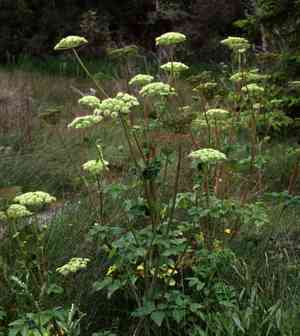
Relocate seacoast angelica between early spring and late spring to ensure robust root development. Select a bright, adequately drained spot. Handle with care to guarantee a smooth transfer.
What Preparations are Needed Before Transplanting Seacoast Angelica?
What is the Ideal Time for Transplanting Seacoast Angelica?
The best time to move seacoast angelica is from early spring's thaw until just before summer's heat. Moving seacoast angelica during this period of renewal promotes strong root growth. This ensures seacoast angelica settles well in its new spot, enjoying mild spring temperatures, which boosts growth without the stress of intense summer heat.
How Much Space Should You Leave Between Seacoast Angelica Plants?
Prepare to give your seacoast angelica ample room to thrive! Position them approximately 18-24 inches (45-60 cm) apart. This spacing guarantees they have sufficient area to develop and flourish without competing for nutrients and sunlight.
What is the Best Soil Mix for Seacoast Angelica Transplanting?
For seacoast angelica, a fertile, moist, and well-draining soil provides the perfect foundation. Start by mixing a balanced, organic fertilizer into the soil to give your seacoast angelica a nutritional head start. Remember, quality soil is crucial for a thriving garden!
Where Should You Relocate Your Seacoast Angelica?
Your seacoast angelica will prefer a location that gets full sun to partial shade. Aim for a spot where they can receive at least 6 hours of sunlight daily. Some afternoon shade can be advantageous, especially in warmer climates.
What Equipments Should You Prepare Before Transplantation Seacoast Angelica?
Gardening Gloves
To safeguard your hands while handling soil and plants.
Shovel or Spade
For excavating the plant and preparing the new planting site.
Garden Fork
To loosen the soil surrounding the root ball.
Watering Can or Hose
To hydrate the plant before and after relocation.
Pruning Shears
For trimming any damaged roots or leaves.
Wheelbarrow or Garden Cart
To transport the plant and soil materials.
Mulch
To help maintain moisture levels around the fresh planting area.
Stakes or Plant Supports
If the seacoast angelica needs assistance to stand upright.
How Do You Remove Seacoast Angelica from the Soil?
How Do You Remove Seacoast Angelica from the Soil?
From Ground: First, water the seacoast angelica plant to moisten the soil. Next, dig a wide circle around the plant using a shovel or spade, leaving ample space for the root ball. Use a garden fork to gently lift and loosen the soil around the roots to minimize harm. Carefully slide the spade beneath the root ball to dislodge the plant, then lift it from the ground with minimal root disturbance.From Pot: Water the seacoast angelica thoroughly to make the soil cohesive. Tilt the pot sideways and gently tap or squeeze it to loosen the root ball. Support the plant at its base and slowly extract it from the pot, being careful not to harm the roots.From Seedling Tray: Water the seedlings well before transplanting. Use a spoon or a specialized seedling tool to carefully lift each seacoast angelica plant from its individual cell, ensuring the root ball is supported and avoiding damage to the delicate stem and roots.
Step-by-Step Guide for Transplanting Seacoast Angelica
Preparation
Examine the seacoast angelica plant and use pruning shears to remove any dead or damaged roots and foliage. This helps the plant direct its energy towards establishing new growth.
Plant Removal
Follow the 'removal process' guidelines to safely extract the seacoast angelica from its original spot, preserving the root system as much as possible.
Hole Digging
Excavate a hole in the ground that is twice the width of the root ball and of equal depth, providing ample room for the roots to spread without constraint.
Planting
Position the seacoast angelica plant in the center of the hole. Ensure the plant's base is level with the surrounding ground to encourage proper growth. Backfill the hole with soil, gently firming it around the base to eliminate any air pockets.
Watering
Water the plant generously immediately after planting to settle the soil and hydrate the roots.
Mulching
Apply mulch around the base of the seacoast angelica plant, keeping it clear of the stem to prevent rot. The mulch will help maintain soil moisture and temperature.
Staking
If needed, insert stakes or plant supports into the ground and gently secure the seacoast angelica plant to them for stability, taking care not to damage the stem.
How Do You Care For Seacoast Angelica After Transplanting?
Staking
Check if the seacoast angelica plant requires additional support as it develops and adjust stakes accordingly.
Watering
Maintain a consistent watering schedule for the seacoast angelica, ensuring the soil remains moist to encourage root development.
Mulching
Monitor the mulch around the seacoast angelica and replenish as necessary to maintain moisture levels and regulate soil temperature.
Pruning
Trim any dead or damaged growth from the seacoast angelica to promote healthy new growth and prevent disease.
Monitoring
Watch for signs of transplant shock in the seacoast angelica, such as wilting or discolored leaves, and address as needed by adjusting care practices.
Troubleshooting Common Issues with Seacoast Angelica Transplantation.
What's the best time to transplant seacoast angelica?
Move seacoast angelica when the weather starts to warm, typically in early to late spring for optimal root establishment.
How often should I water seacoast angelica after transplanting?
Water seacoast angelica generously right after transplanting, then keep the soil moist until it shows new growth, indicating good root development.
What's the ideal spacing between seacoast angelica when transplanting?
Space your seacoast angelica plants about 18-24 inches (45-60 cm) apart to allow ample room for mature spread.
Why are my seacoast angelica plants wilting after transplanting?
Wilting could be due to shock. Ensure proper watering, avoid direct sun immediately after transplanting, and protect from harsh conditions.
What soil conditions favor seacoast angelica transplanting success?
Use well-draining soil rich in organic matter, with a slightly acidic to neutral pH, for seacoast angelica transplanting.
Can I transplant seacoast angelica on a hot, sunny day?
Transplant seacoast angelica on a cloudy day or during cooler hours to prevent stress and dehydration.
How deep do I plant seacoast angelica during transplant?
Transplant seacoast angelica at the same depth it was growing at previously, avoiding burying the crown to prevent rot.
Should I fertilize seacoast angelica after transplanting?
Wait a few weeks post-transplant before adding a balanced, slow-release fertilizer to give seacoast angelica time to adjust.
How can I tell if seacoast angelica is rooted well after transplanting?
When new growth appears, it's a good sign that seacoast angelica has established roots. Gently tug on the plant; resistance indicates good rooting.
Is mulching necessary after transplanting seacoast angelica?
Mulching helps retain soil moisture and regulates temperature, which is beneficial for newly transplanted seacoast angelica plants.



