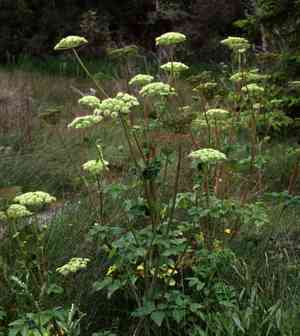
Seacoast angelica (Angelica lucida)
Also known as: Wild celery
Echinacea, commonly found in prairies and gardens, is known for attracting bees and butterflies. Indigenous peoples traditionally used it for protection. Additionally, Echinacea has a rich history in traditional medicine, particularly for enhancing the immune system and treating various infections.
In This Article
Attributes of Seacoast angelica
Lifespan
Perennial
Plant Type
Herb
Plant Height
61 cm to 1.4 m
Spread
Not commonly specified
Leaf Color
Green
Flower Size
15 cm
Flower Color
White Green Yellow
Images of Seacoast angelica



Quickly Identify Seacoast angelica
1
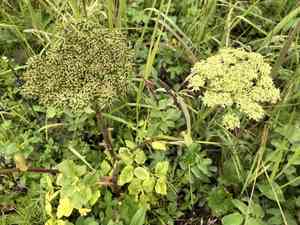
To identify Angelica lucida, look for a robust, herbaceous plant with hollow, ridged stems. The leaves are compound with toothed leaflets, and the plant produces large, umbrella-shaped clusters of small, white or greenish-yellow flowers.
Scientific Classification of Seacoast angelica
Phylum
Vascular plants
Class
Dicotyledons
Order
Apiales
Family
Umbellifers
Genus
Angelica
Species
Seacoast angelica
Planting and Growing of Seacoast angelica
Care Difficulty
Easy
Watering Schedule
Every 3 days
Sunlight Requirements
Full sun
Sunshine Duration
8-12 hours
Ideal Temperature
60-75℉
Soil Type
Potting Mix, Peat Mix
Soil pH
6.5-7.5
Fertilizer Type
Balanced
Pruning Season
Spring, Summer
Pruning Area
Branches, Leaves
Pruning Frequency
2 times a year
Repotting Season
Spring
Pot Type
Plastic, Ceramic
 How to Water Seacoast angelica?
Angelica lucida requires careful watering, best guided by the principle of maintaining consistent soil moisture without waterlogging. Each watering should be performed until the soil is moderately moist. Aim for about 250 ml per session, ensuring the topsoil begins to dry slightly between waterings.
What are the symptoms of an underwatered Seacoast angelica?
›
What should I do if my Seacoast angelica is not getting enough water?
›
What are the symptoms of an overwatered Seacoast angelica?
›
How to save an overwatered Seacoast angelica?
›
 What Are the Sunlight Requirements for Seacoast angelica?
Preferring full to partial sun, optimal light fosters lush foliage and robust growth, preventing issues like leggy stems and underdeveloped leaves.
More About Sunlight Requirements Techniques→
What is the best location for Angelica lucida?
›
How can I ensure Angelica lucida receives ideal light?
›
What benefits does ideal lighting provide for Angelica lucida?
›
 What Is the Ideal Temperature Range for Seacoast angelica?
The ideal temperature range for growing Angelica lucida is between 60 and 75 degrees Fahrenheit. This temperature range ensures optimal growth and health of the plant. Providing temperatures within this range allows the plant to thrive and maintain its physiological processes efficiently.
 What Soil is Best for Seacoast angelica?
For Angelica lucida, nutrient-rich soil is essential. Nutrients support robust growth and enhance the plant's medicinal properties, offering greater health benefits. Compost or well-rotted manure can be added to improve soil fertility, leading to more vibrant foliage and stronger stems. Ensuring good drainage is crucial for Angelica lucida to prevent root rot and other water-related issues. Well-draining soil allows excess water to escape, reducing the risk of root diseases and promoting healthy plant growth. Incorporating sand or organic material can enhance drainage. The soil should retain moisture without becoming waterlogged. Moisture retention combined with good aeration supports consistent hydration for Angelica lucida, which is vital for its lush growth. Mulching can help maintain moisture levels while keeping the soil aerated.
 How to Fertilize Seacoast angelica?
Angelica lucida, commonly known as seacoast angelica, requires balanced fertilization. A general recommendation is to use about half the amount specified on the fertilizer package for similar-sized plants. This ensures the plant receives enough nutrients without overfeeding.
 How to Prune Seacoast angelica?
Begin by removing any dead, damaged, or diseased branches. This helps in preventing the spread of disease and encourages healthy growth. Carefully trim back overgrown branches to shape the plant. Aim for a balanced form that allows light and air to reach the center. Pinch back the growing tips by a few inches during the growing season to encourage a fuller appearance and more robust blooming.
More About Pruning Techniques→
 How to Propagate Seacoast angelica plant?
1
Collect seeds from mature Angelica lucida plants in late summer. Clean them by removing debris and dry them completely. Store them in a cool, dry place until ready to plant.
2
In early spring, sow the seeds onto prepared seed trays filled with a mix of peat and perlite. Cover lightly with soil and water gently. Ensure the soil remains moist but not waterlogged.
3
Divide mature clumps of Angelica lucida in early spring. Carefully dig up the plant and separate it into smaller sections, ensuring each has a portion of roots attached. Replant immediately.
 How to Repot Seacoast angelica plant?
1
You should consider repotting Angelica lucida when you notice slow growth, roots protruding from drainage holes, or if the plant becomes top-heavy and prone to tipping. Typically, the best time to repot is during early spring or autumn when the plant is not in its active growth cycle, allowing it to settle in the new pot before vigorously growing again.
2
Select a pot that is one size larger than the current one and has proper drainage holes. A terracotta pot can be beneficial as it allows moisture to evaporate, preventing waterlogging, which is highly beneficial for Angelica lucida as it prefers well-draining conditions to keep its roots healthy and avoid root rot.
3
Opt for rich, well-draining soil that's high in organic matter. A mix containing peat, perlite, and compost is ideal as it offers good aeration and moisture retention, which supports strong root development while preventing water stagnation, crucial for the plant's health and vigor.
Learn More About Seacoast angelica Diseases
Anthracnose
Bacterial Leaf Spot
Bacterial Soft Rot
Bacterial Wilt
Chemical Injury
Damping-off
Downy Mildew
Drought Stress
Fusarium Wilt
Gray Mold
Leaf Spot
Mosaic
Nutrient Deficiency
Nutrient Toxicity
Powdery Mildew
Root Rot
Root-knot Nematode
Rusts
Sooty Mold
Spider Mites
Temperature Stress
Thrips Damage
White Mold



