How to Transplant Tarweed fiddleneck?
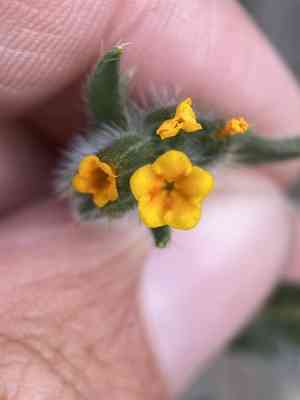
From the emergence of spring's initial shoots to the peak flowering of late spring, tarweed fiddleneck establishes itself most effectively. Select a location with ample sunlight, and bear in mind that tarweed fiddleneck flourishes with very little stress from being moved. Any relocation ought to be quick, with the goal of reducing root disruption for this delightful annual plant.
What Preparations are Needed Before Transplanting Tarweed Fiddleneck?
What is the Ideal Time for Transplanting Tarweed Fiddleneck?
The optimal period for relocating tarweed fiddleneck spans from early spring's onset through its late-stage peak. During this timeframe, the ground is sufficiently warm, promoting superior root establishment and development. Transplanting tarweed fiddleneck within this schedule not only aligns with its natural growth cycle but also leverages the increasing daylight and milder temperatures, which are beneficial for its flourishing.
How Much Space Should You Leave Between Tarweed Fiddleneck Plants?
When moving your tarweed fiddleneck, aim for a separation of 4-6 inches (10-15 cm) between each specimen. This will provide them ample room to flourish and extend their attractive foliage.
What is the Best Soil Mix for Tarweed Fiddleneck Transplanting?
For your tarweed fiddleneck, a well-draining soil abundant in organic material is perfect. Before planting, incorporate a balanced, slow-release fertilizer to give your tarweed fiddleneck a strong start. A 10-10-10 (NPK) fertilizer, for instance, will be highly effective!
Where Should You Relocate Your Tarweed Fiddleneck?
Position your tarweed fiddleneck in a sunny location where they can receive at least 6-8 hours of daily sunlight. Full sun promotes vigorous growth and optimal blooming. Therefore, select a bright, cheerful spot in your garden for these sun-loving plants!
What Equipments Should You Prepare Before Transplantation Tarweed Fiddleneck?
Gardening Gloves
To safeguard your hands while handling soil and plants.
Spade or Shovel
For excavating the plant and preparing the new planting site.
Trowel
Used for more precise digging, especially when moving from a small container.
Watering Can or Hose
To hydrate the plant before removal and after replanting.
Gardening Fork
To loosen the soil around the plant's root system prior to extraction.
Bucket or Wheelbarrow
For transporting the plant and soil without causing damage.
Pruning Shears
To trim any damaged roots or excess foliage before the transplant.
How Do You Remove Tarweed Fiddleneck from the Soil?
How Do You Remove Tarweed Fiddleneck from the Soil?
From Ground: Hydrate the tarweed fiddleneck plant to moisten the soil. Use a spade or shovel to dig a wide circle around the plant, being careful not to harm the root ball. Gently work the tool beneath the root ball and carefully lift the plant from its original spot.From Pot: Water the tarweed fiddleneck plant and allow it to absorb moisture. Grasp the plant's base and gently rock it while pulling upwards. For plants that are more firmly rooted, you might need to turn the pot sideways and tap its edges, or even cut the pot away if roots are severely bound.From Seedling Tray: Water the tray to ensure the soil is damp. Use a trowel or your fingers to carefully lift the seedling from its cell, making sure to support the soil and root mass as a single unit to avoid disturbing the roots.
Step-by-Step Guide for Transplanting Tarweed Fiddleneck
Preparing the Plant
Before extracting the tarweed fiddleneck, water it thoroughly to ensure the root ball remains intact during the removal process.
Digging the Hole
At the new site, use your spade to excavate a hole that is twice as wide and the same depth as the tarweed fiddleneck's root ball.
Root Inspection and Pruning
Examine the tarweed fiddleneck's roots once it's removed. Trim off any damaged or diseased roots with pruning shears.
Placing the Plant
Position the tarweed fiddleneck in the center of the newly dug hole. The top of the root ball should be level with the ground surface.
Filling the Hole
Carefully backfill the hole with soil, gently tamping down around the roots to eliminate air pockets.
Watering
Water the tarweed fiddleneck deeply after transplanting to settle the soil and provide moisture for the roots.
Stabilizing the Plant
If needed, use supports to stake the plant, ensuring it stays upright while adapting to its new location.
How Do You Care For Tarweed Fiddleneck After Transplanting?
Regular Watering
Water the tarweed fiddleneck consistently to encourage root development and establishment in its new environment.
Mulching
Apply a layer of mulch around the plant to help retain soil moisture and regulate temperature.
Monitoring Growth
Observe the tarweed fiddleneck for indications of stress, such as wilting or yellowing leaves, and address them as necessary.
Weed Control
Keep the area surrounding the tarweed fiddleneck free of weeds that could compete for vital resources.
Support
If the tarweed fiddleneck is tall or prone to bending, provide adequate support to help it maintain an upright posture.
Troubleshooting Common Issues with Tarweed Fiddleneck Transplantation.
When is the best time to transplant tarweed fiddleneck?
Relocate tarweed fiddleneck during the pleasant period of early to late spring, when its growth potential is highest.
What is the ideal distance between tarweed fiddleneck plants?
Space tarweed fiddleneck seedlings ideally 4-6 inches (10-15 cm) apart to allow sufficient room for development.
Why are my transplanted tarweed fiddleneck wilting?
Wilting may be due to transplant shock. Ensure the soil is moist and temporarily shield plants from intense sunlight.
How deep should I plant tarweed fiddleneck seedlings?
Plant tarweed fiddleneck at the same depth they were in their previous container, avoiding burying the stem too deeply.
Can I transplant tarweed fiddleneck on a hot day?
Transplanting tarweed fiddleneck in the cool of the evening or on an overcast day reduces stress on the plants.
What should I do if tarweed fiddleneck doesn't thrive post-transplant?
Check for appropriate soil conditions, sufficient watering, and the absence of pests or diseases. Adjust care accordingly.
How much should I water tarweed fiddleneck after transplanting?
Water tarweed fiddleneck deeply immediately after transplanting to settle the soil around the roots, then maintain consistent moisture.
What type of soil is best for transplanting tarweed fiddleneck?
Utilize well-draining soil rich in organic matter to provide tarweed fiddleneck with a strong foundation for growth.
Should I fertilize tarweed fiddleneck after transplanting?
Wait a few weeks before applying fertilizer to allow tarweed fiddleneck to establish; then, use a balanced fertilizer.
My tarweed fiddleneck looks limp after transplanting. What's wrong?
Limpness can result from root damage during transplanting. Handle roots with care and prune if necessary.



