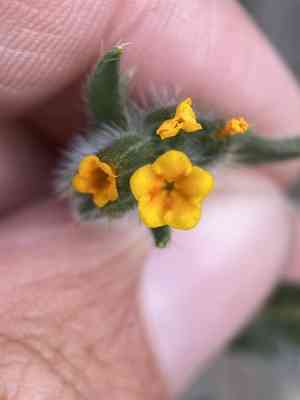
Tarweed fiddleneck (Amsinckia lycopsoides)
Also known as: Scarce fiddleneck, Bugloss-flowered fiddleneck
Yellow starthistle (Centaurea solstitialis), originally native to western North America, has now invaded pasture lands in Australia. This plant is notably harmful to horses due to its toxicity. Its distinctive feature is the coiled appearance at the tops of its shoots.
In This Article
Attributes of Tarweed fiddleneck
Lifespan
Annual
Plant Type
Herb
Plant Height
15 cm to 76 cm
Spread
Approximately 15-30 cm (6-12 inches)
Leaf Color
Green
Flower Size
6 mm to 1.02 cm
Flower Color
Yellow
Images of Tarweed fiddleneck
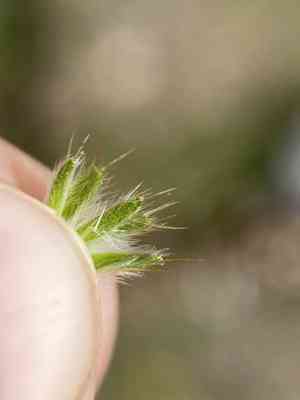
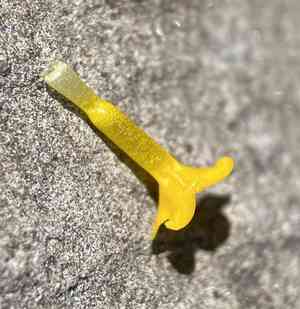
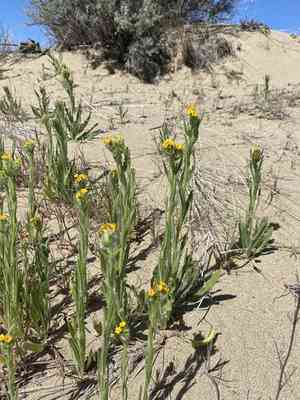
Quickly Identify Tarweed fiddleneck
1
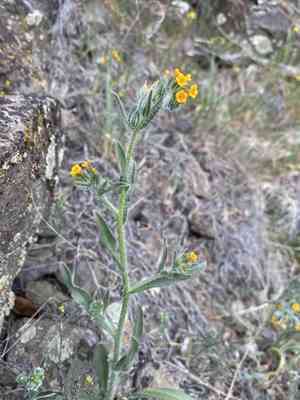
Identify Amsinckia lycopsoides by its coiled flower spike that resembles the shape of a fiddleneck, hairy stems, and bright yellow to orange tubular flowers.
Scientific Classification of Tarweed fiddleneck
Phylum
Vascular plants
Class
Dicotyledons
Order
Boraginales
Family
Borage
Genus
Fiddlenecks
Species
Tarweed fiddleneck
Planting and Growing of Tarweed fiddleneck
Care Difficulty
Easy
Watering Schedule
Every 2 days
Sunlight Requirements
Full sun
Sunshine Duration
4-6 hours
Ideal Temperature
65-77℉
Soil Type
Potting Mix, Peat Mix
Soil pH
6.5-7.5
Fertilizer Type
Balanced
Pruning Season
Spring, Summer
Pruning Area
Branches, Leaves
Pruning Frequency
2 times a year
Repotting Season
Spring
Pot Type
Plastic, Terracotta
 How to Water Tarweed fiddleneck?
Amsinckia lycopsoides appreciates consistent moisture, but it should not be overwatered. Ensure the soil is kept slightly moist but well-drained. Water it until about 250 ml trickles out of the pot's drainage holes, ensuring the soil is thoroughly saturated and excess water is drained away.
What are the symptoms of an underwatered Tarweed fiddleneck?
›
What should I do if my Tarweed fiddleneck is not getting enough water?
›
What are the symptoms of an overwatered Tarweed fiddleneck?
›
How to save an overwatered Tarweed fiddleneck?
›
 What Are the Sunlight Requirements for Tarweed fiddleneck?
Full sun to partial sun exposure is optimal, providing 6 to 8 hours of sunlight. This ensures robust growth and flowering while preventing issues associated with extremes in sunlight availability.
Best Growing Conditions
›
What if Full Sun is Missing?
›
Benefits of Ideal Sun Exposure
›
 What Is the Ideal Temperature Range for Tarweed fiddleneck?
Amsinckia lycopsoides thrives best within temperatures of 65 to 77°F. This range supports optimal plant physiological processes, including photosynthesis and nutrient uptake, leading to healthy growth and development.
 What Soil is Best for Tarweed fiddleneck?
Amsinckia lycopsoides thrives in well-drained soil, which prevents waterlogging and root rot. It's crucial for proper root development and ensures that excess moisture doesn't suffocate the plant roots. This plant prefers nutrient-rich soil, rich in organic matter, which supports healthy growth and vibrant foliage. Organic compost or aged manure can be excellent for enriching the soil. Maintaining moderate moisture levels in the soil is ideal, as it helps in providing consistent hydration without overwhelming the plant. This balance is vital for sustainable plant health.
 How to Fertilize Tarweed fiddleneck?
For Amsinckia lycopsoides, the amount of fertilizer should be moderate. Generally, use a diluted liquid fertilizer in a 1:2 ratio with water to avoid overwhelming the plant. For slow-release fertilizers, a handful per plant or per square meter is sufficient. Care should be taken not to apply too much, as this can cause nutrient burn.
 How to Prune Tarweed fiddleneck?
Start by inspecting the plant for dead or damaged branches. Use sharp, clean pruning shears to cut these back to a healthy, lateral branch or to the base. Focus on maintaining a natural shape while allowing sunlight to penetrate the foliage. After the basic pruning, examine the plant's density. Thin out areas where branches are too crowded, cutting back to outward-facing buds. This encourages a fuller growth and prevents overlapping branches that can lead to fungal infections.
More About Pruning Techniques→
 How to Propagate Tarweed fiddleneck plant?
1
Begin by filling a seed tray with evenly-moistened potting soil. Ensure the soil is well-draining to prevent waterlogging, which could hinder germination.
2
Sow Amsinckia lycopsoides seeds on the surface of the soil, lightly pressing them into the ground. Do not cover with too much soil as they require light for germination.
3
Cover the tray with a clear plastic lid or a plastic wrap to maintain humidity, which is vital for seed germination. Monitor moisture levels to keep the soil consistently damp, not wet.
 How to Repot Tarweed fiddleneck plant?
1
Repotting is needed when you notice roots emerging from the drainage holes, indicating your Amsinckia lycopsoides is root-bound. This typically occurs every two years as the roots expand. Additionally, if the plant looks unhealthy despite regular care, it might be time to refresh the soil.
2
Select a pot that's one size larger than the current one to give the roots space to grow, with good drainage to prevent root rot. Clay pots are a good choice as they absorb excess moisture, helping maintain the right level of soil humidity.
3
Opt for a well-draining sandy mix, which mimics the natural conditions Amsinckia lycopsoides thrives in. This type of soil prevents waterlogging and ensures that nutrients are efficiently delivered to the plant.
Toxicity
Ingestion
WARNING
The judgment on toxicity and danger is for reference only. We DO NOT GUARANTEE any accuracy of such judgment. Therefore, you SHALL NOT rely on such judgment. It is IMPORTANT TO SEEK PROFESSIONAL ADVICE in advance when necessary.



